


 en
 English
 русский
 Español
 عربى
 Français
 Português
10+
Years Experience

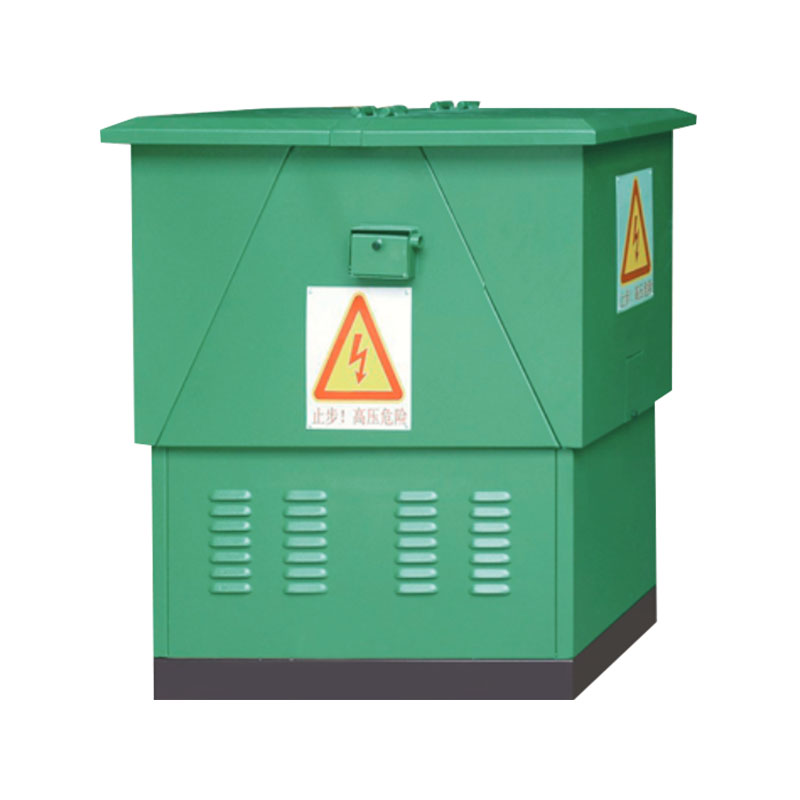
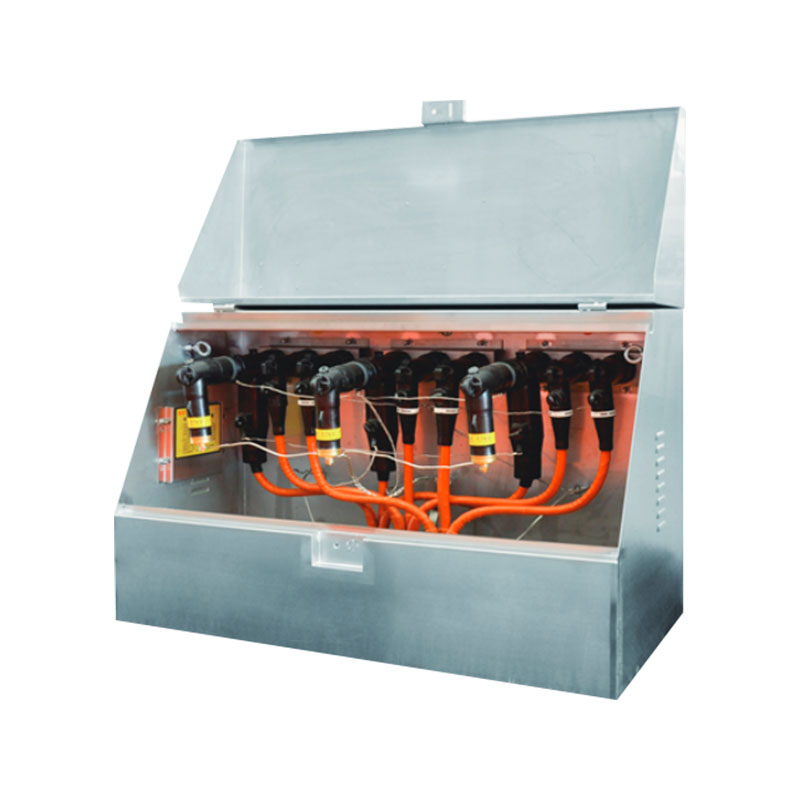
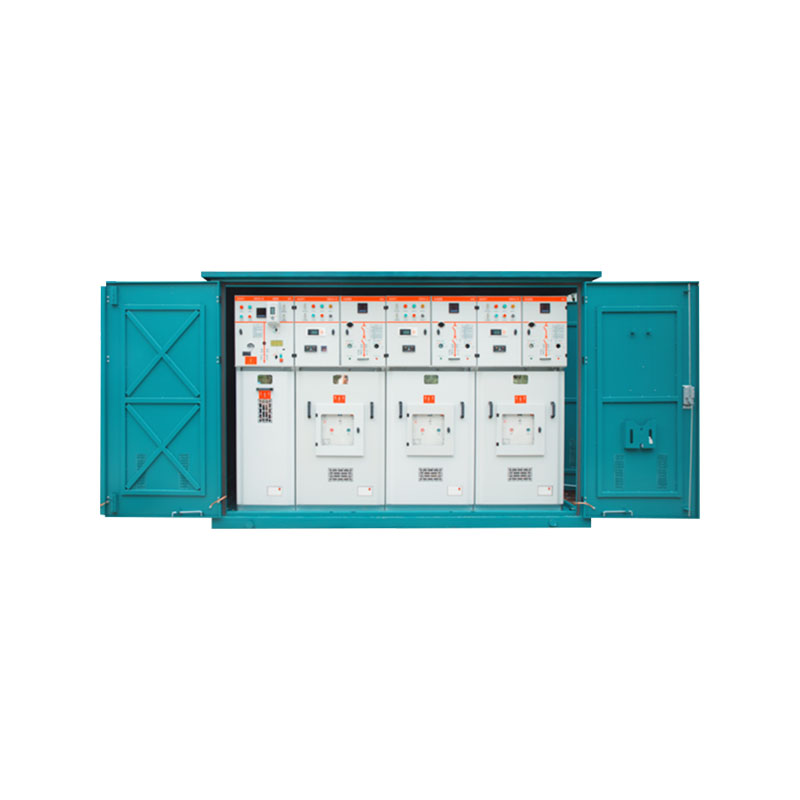
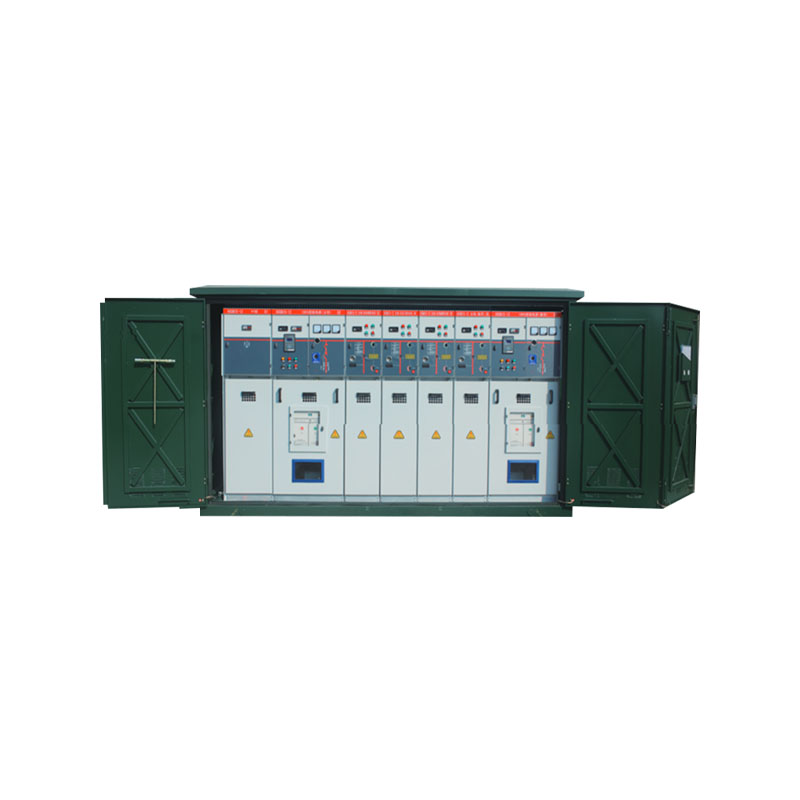
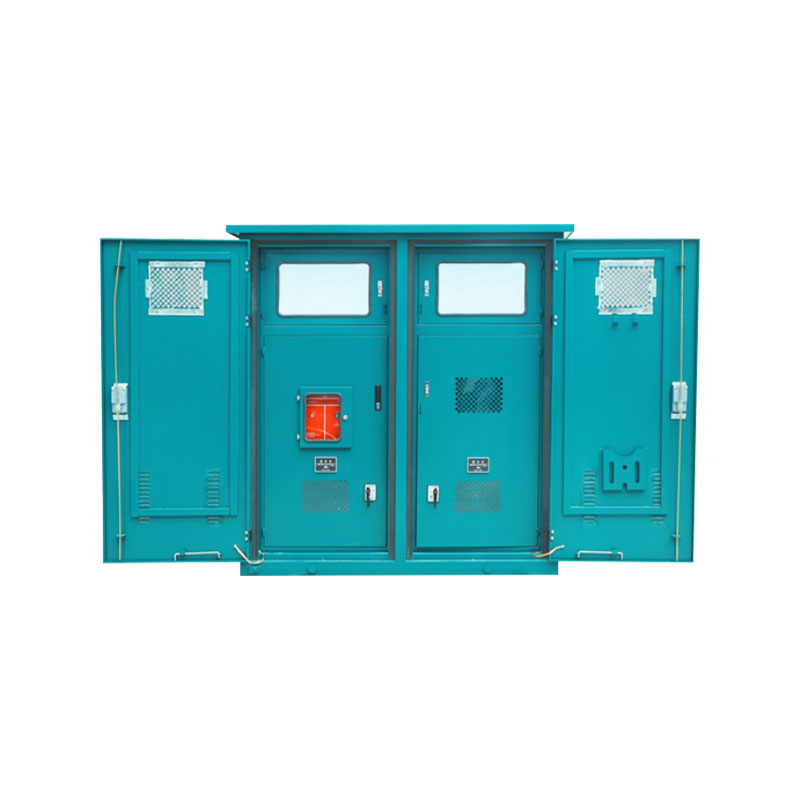
Our box-type substations are widely used in municipal distribution networks, industrial parks, residential communities, and photovoltaic power stations, including European and American style high/low voltage pre-installed substations, underground substations, PV-dedicated box-type substations, as well as outdoor cable tapping boxes and ring network cabinets — offering a one-stop solution for high/low voltage power distribution.
Built with a modular, pre-installed design, all electrical connections and testing are completed before shipment, greatly shortening on-site installation time while offering high protection ratings, a small footprint, and easy maintenance. Customization is available to meet different countries' voltage standards, climate conditions, and installation codes, backed by complete logistics and after-sales technical support.

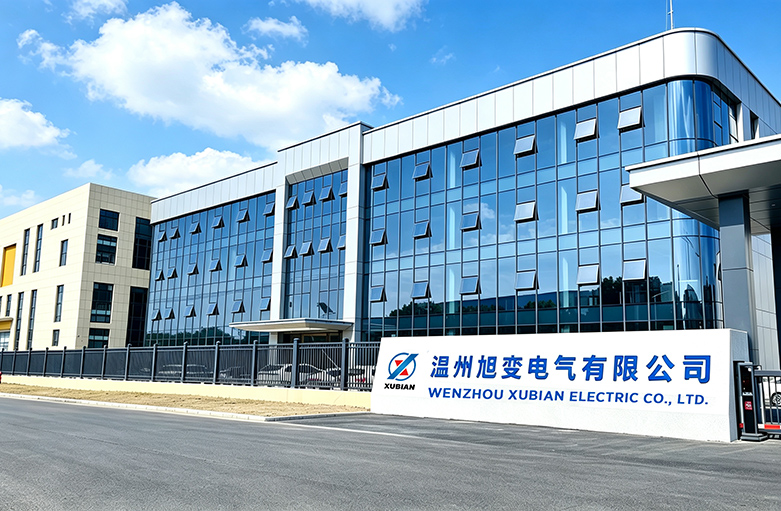
Wenzhou Xubian Electric Co., Ltd. is a technology-driven China Box Type Substation Manufacturer and Custom 12kV European Type Prefabricated Substation Supplier, specializing in the production, sales and after-sales maintenance of high- and low-voltage complete switchgear systems.
We have a dynamic and innovative team for R&D, design, management and marketing, backed by solid R&D and production competence.
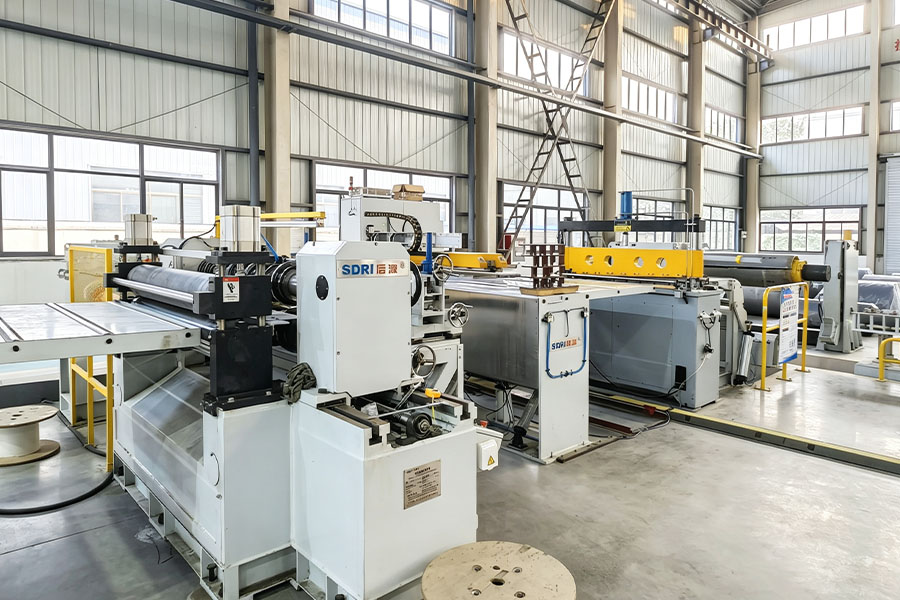
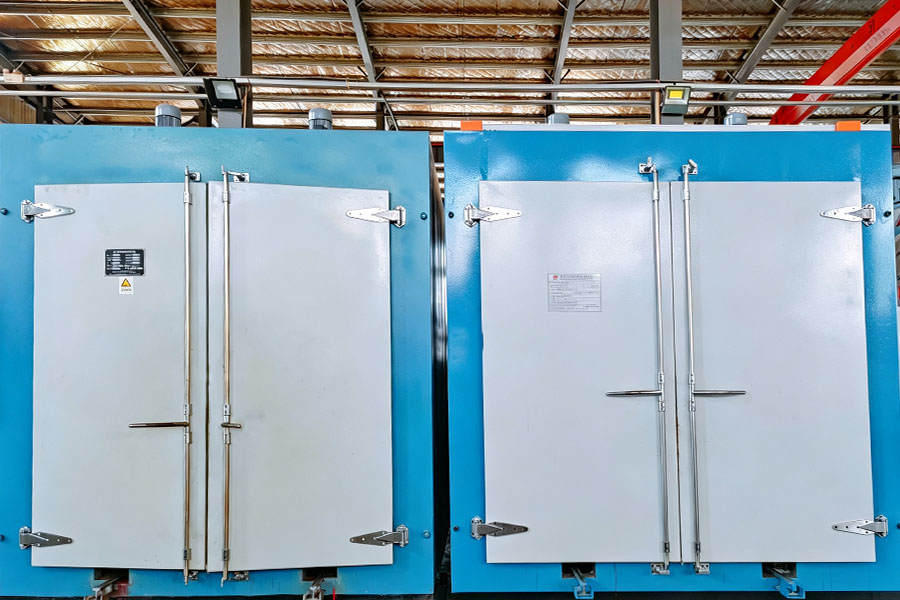
Following our quality policy: “Survival through Quality, Development through Innovation, Continuous Improvement, Customer Satisfaction”, we enforce strict control over all production stages to ensure 100% qualified finished goods. Our workshop is well‑equipped with full‑range processing facilities, testing apparatus and advanced inspection solutions.
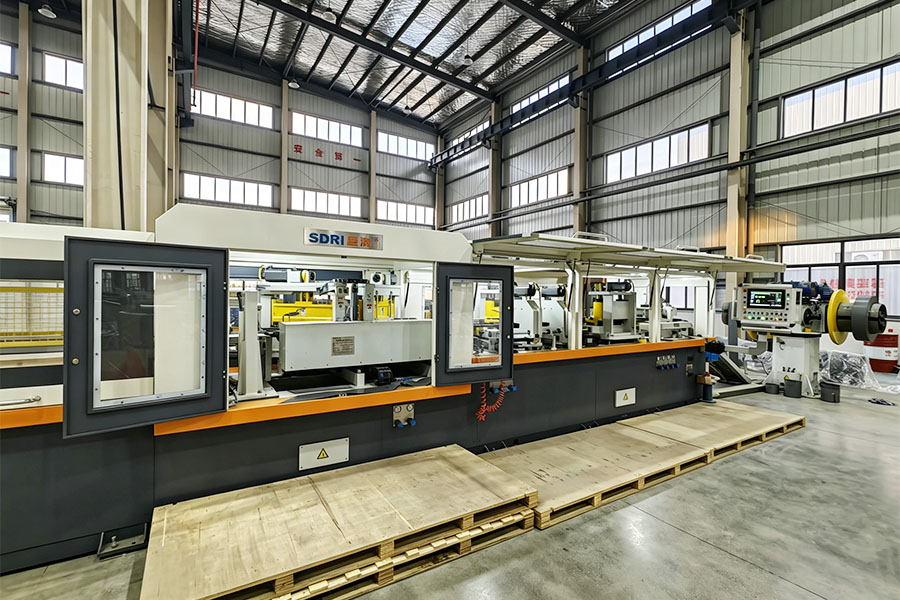
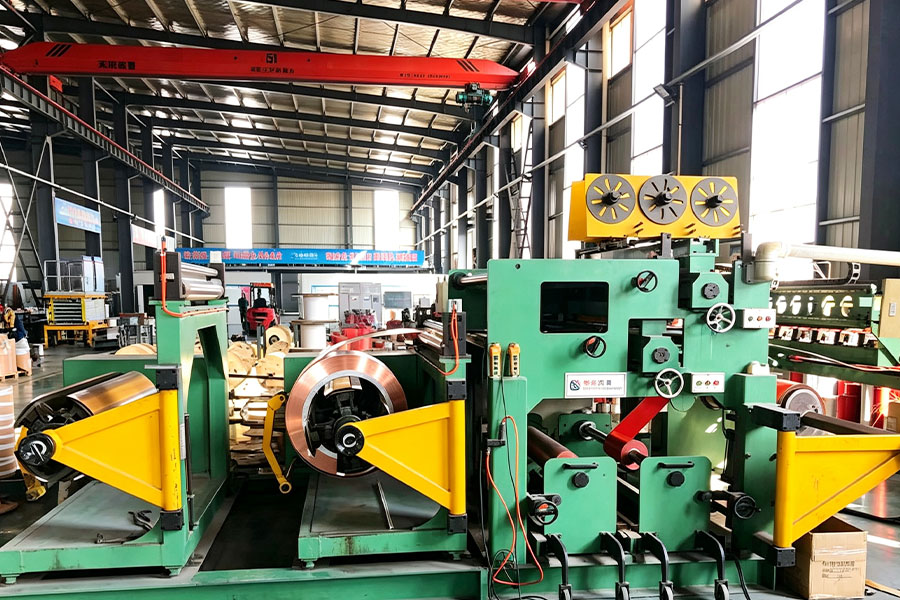
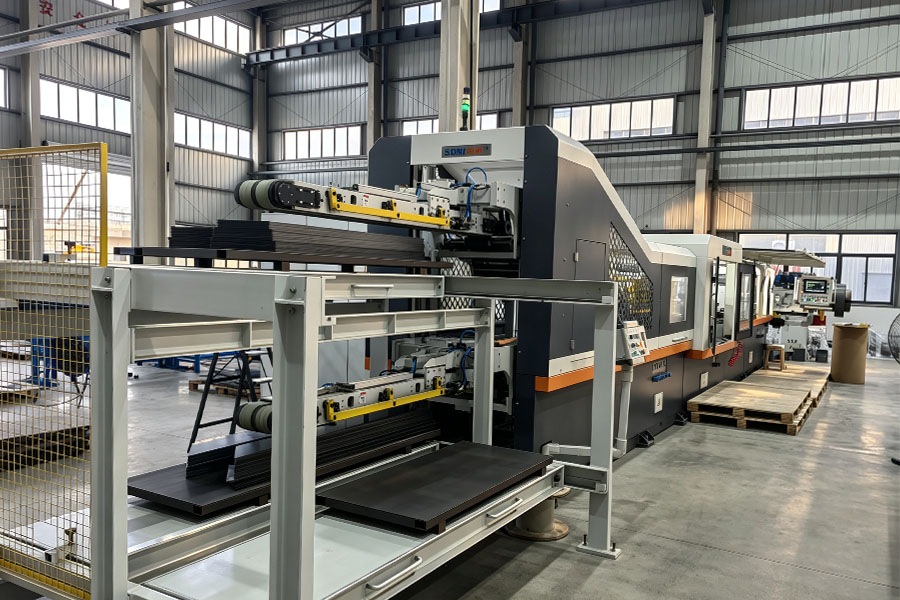
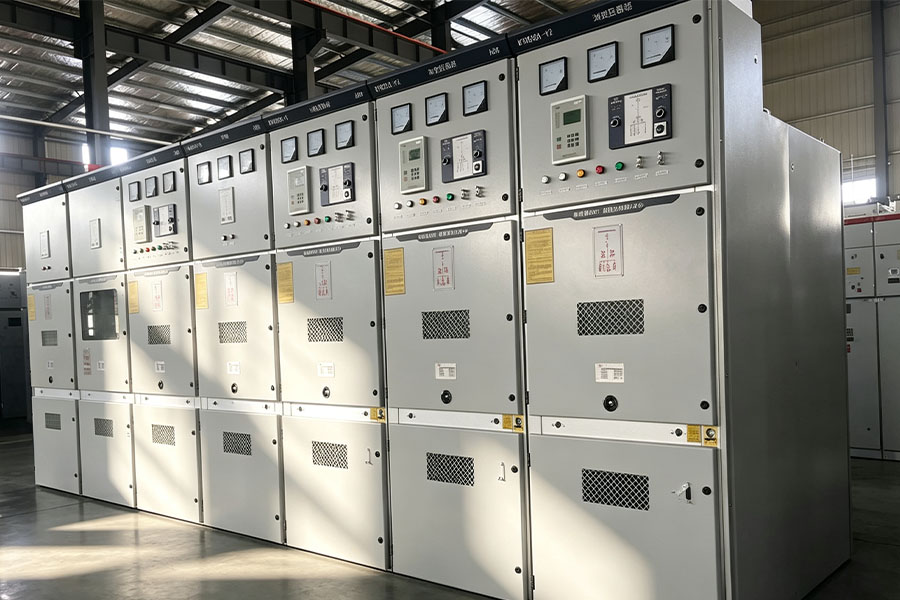
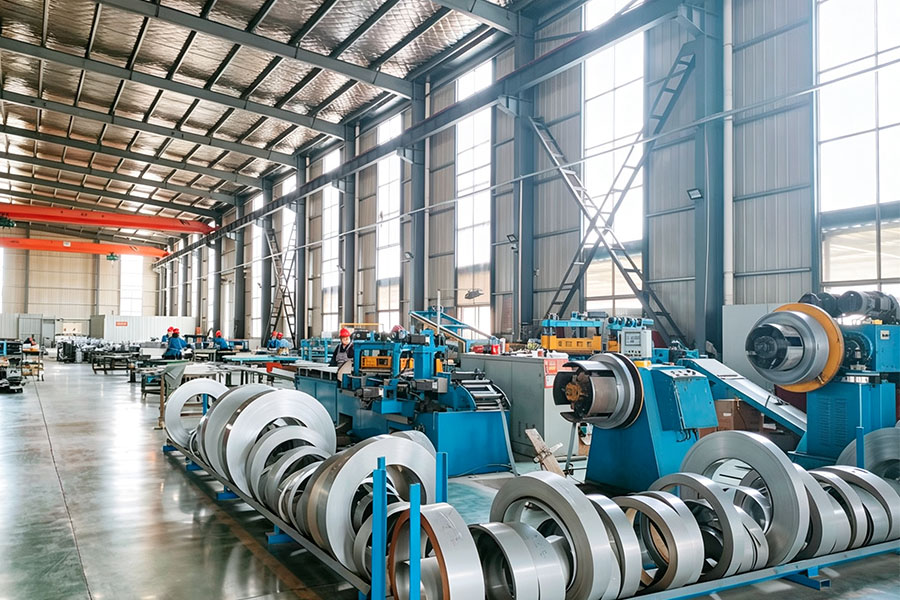
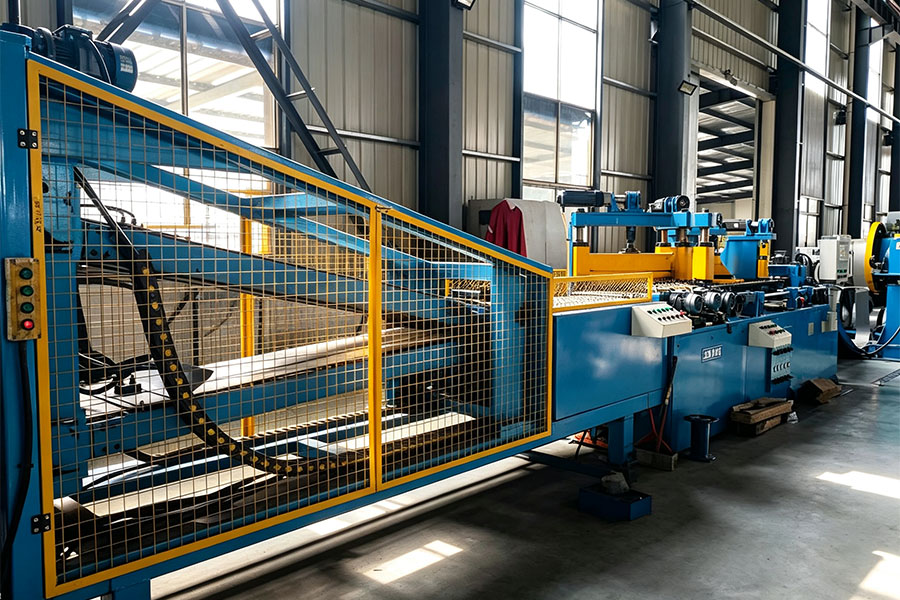
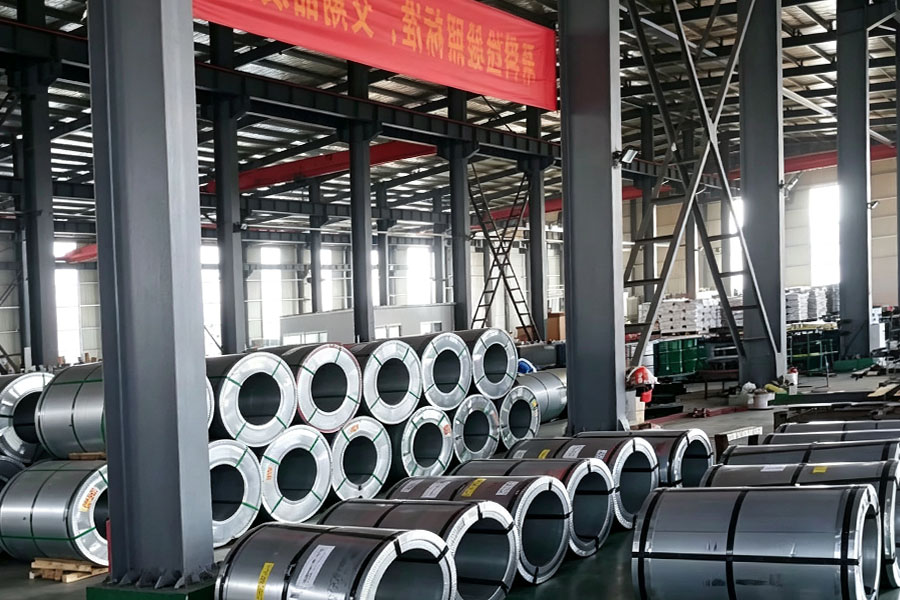
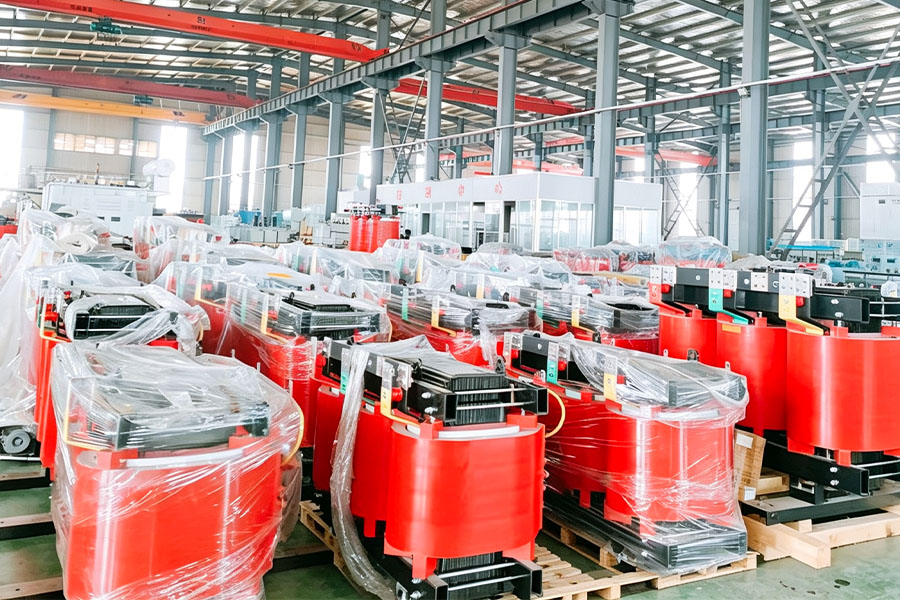
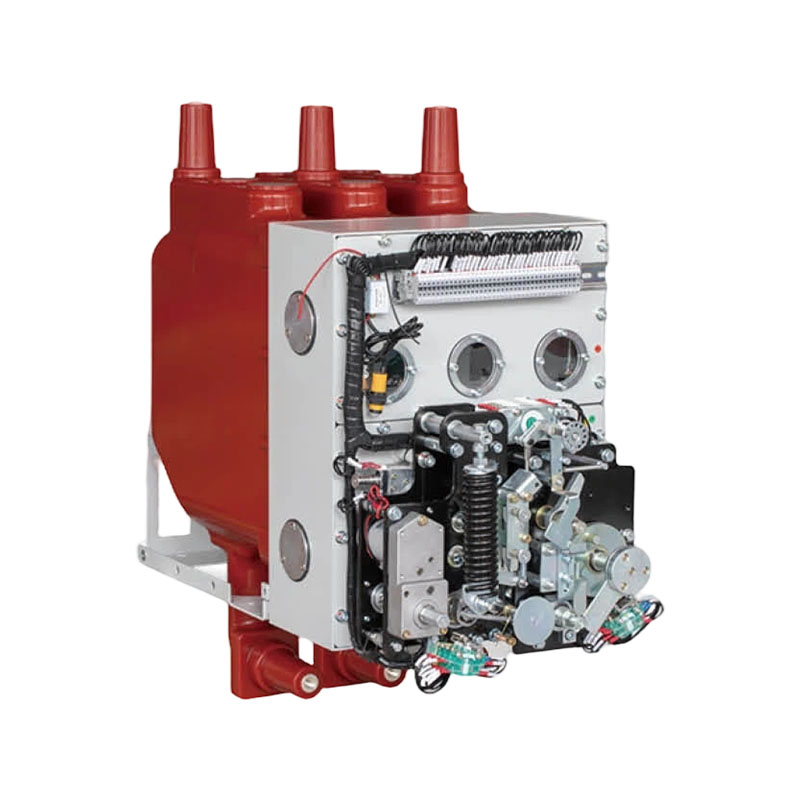
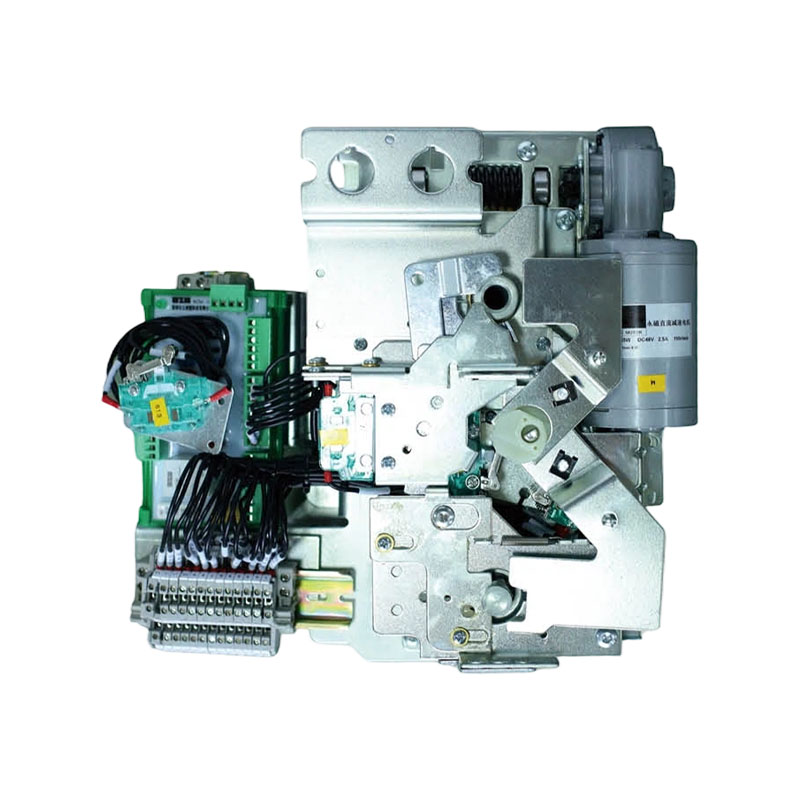
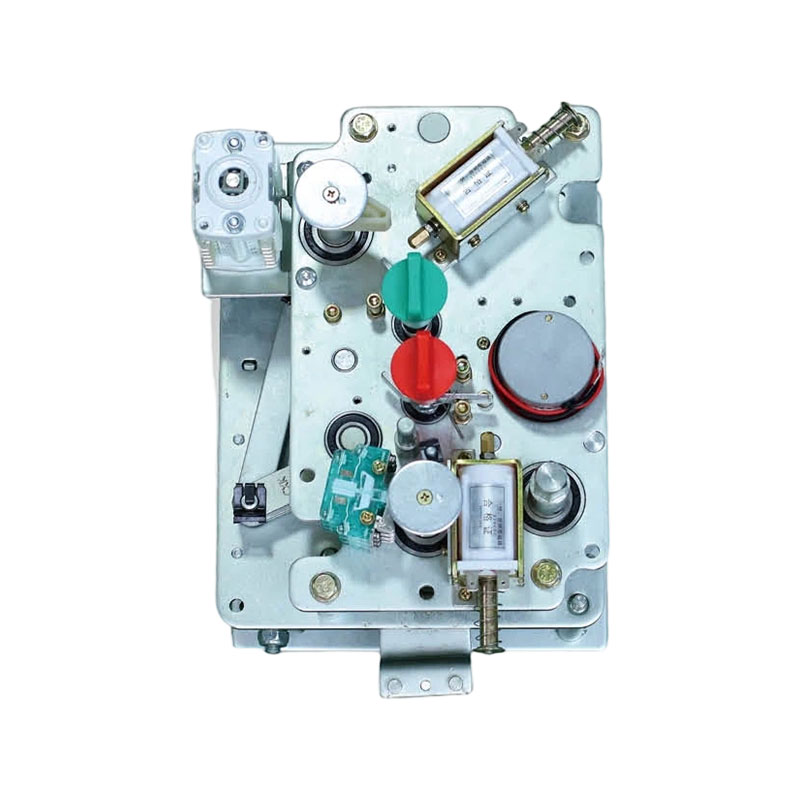
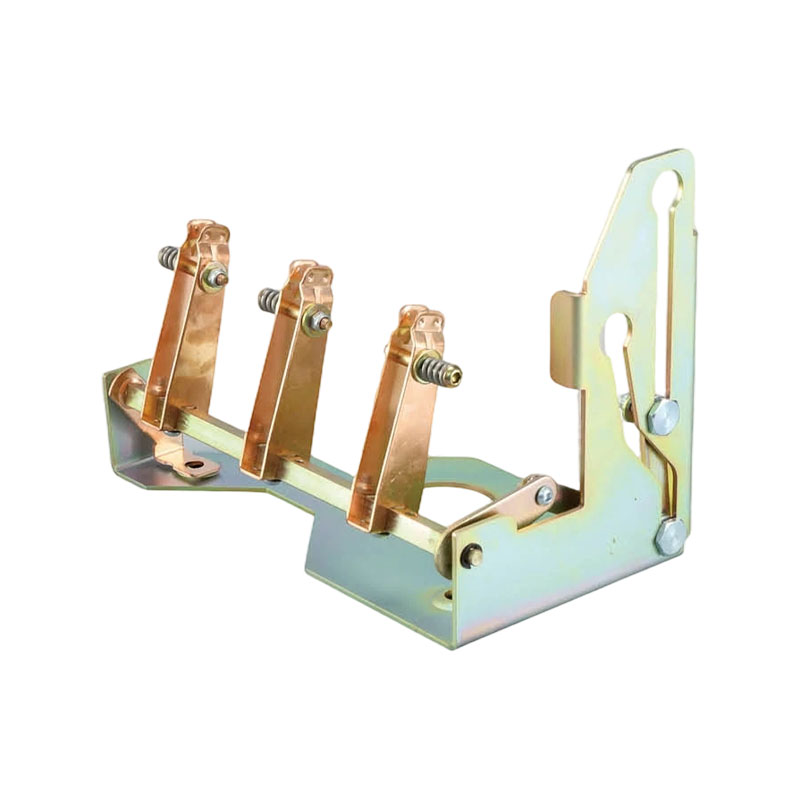
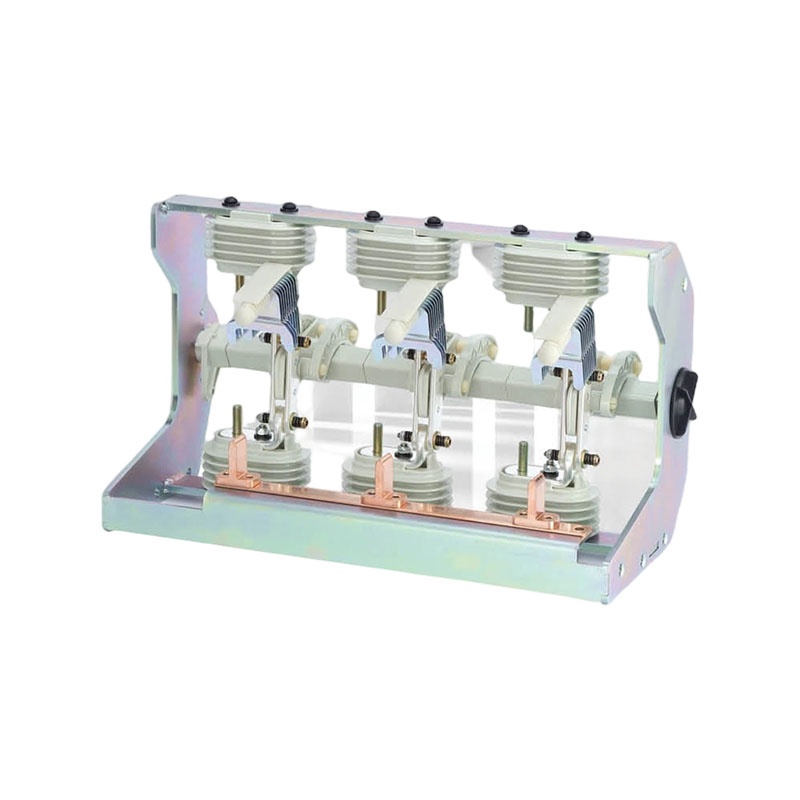
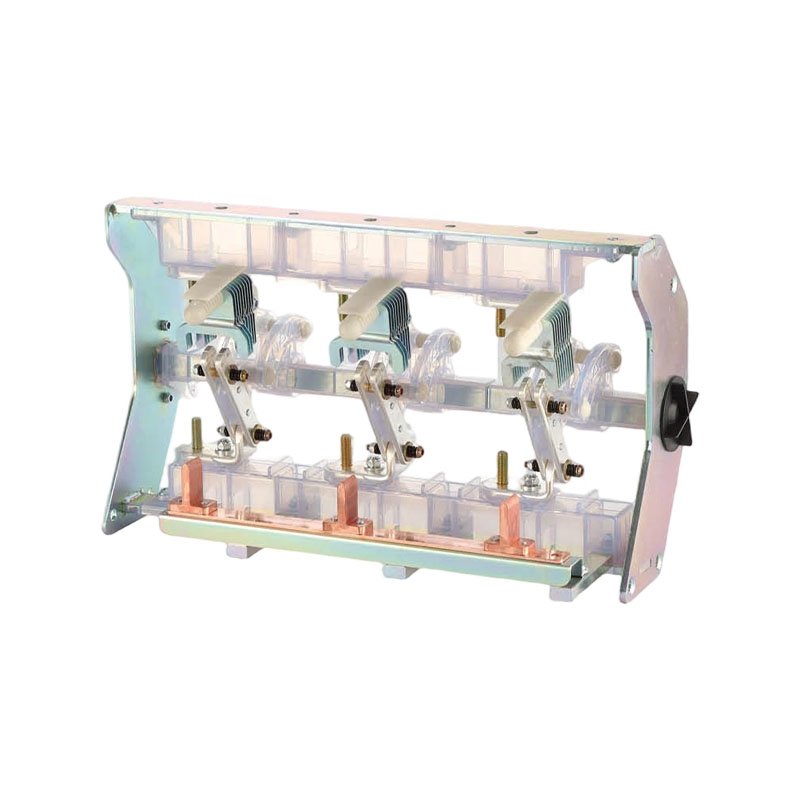
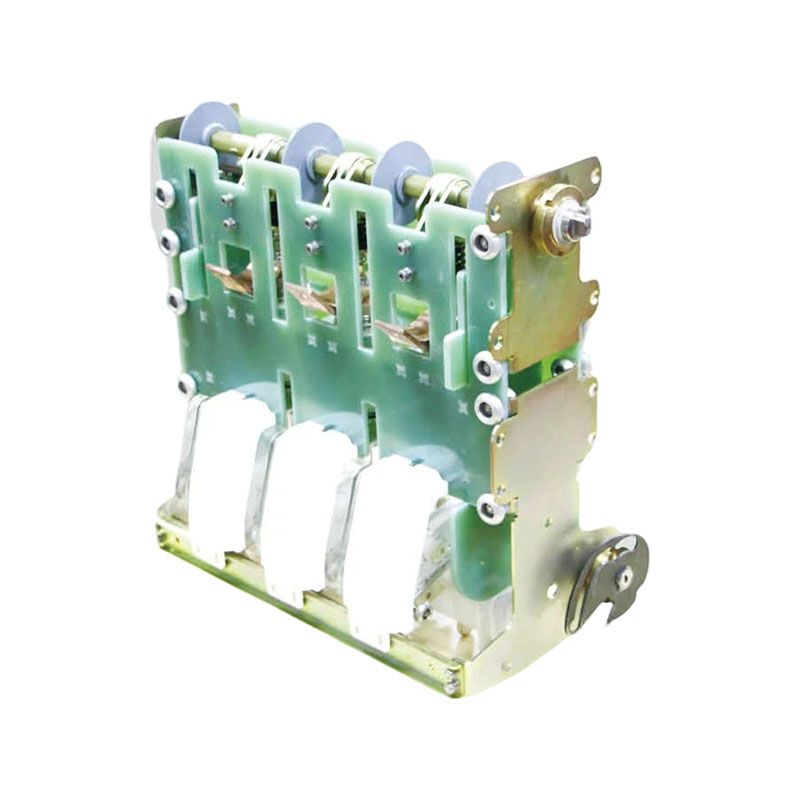
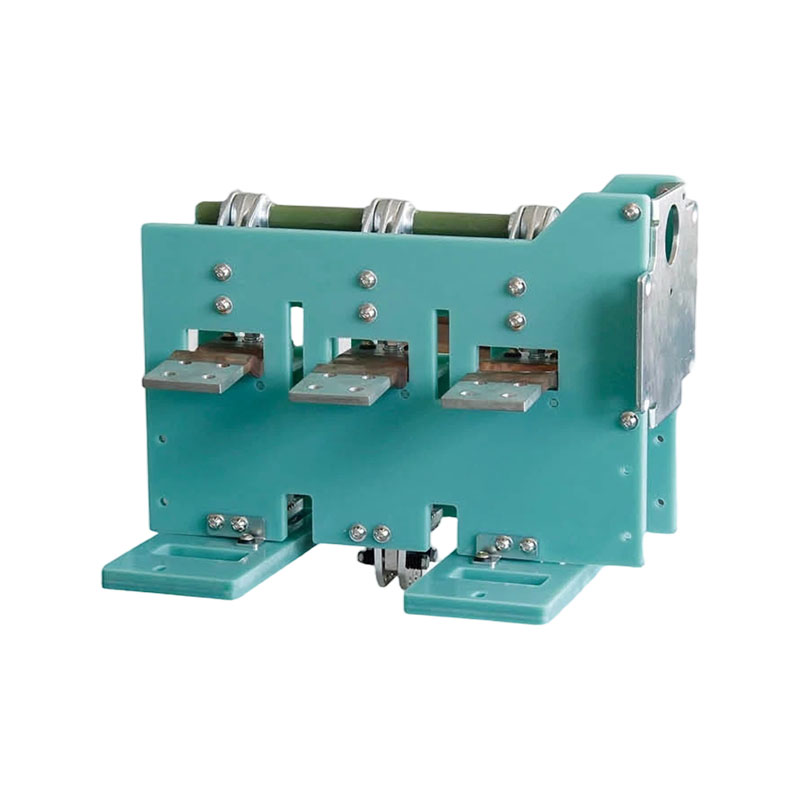
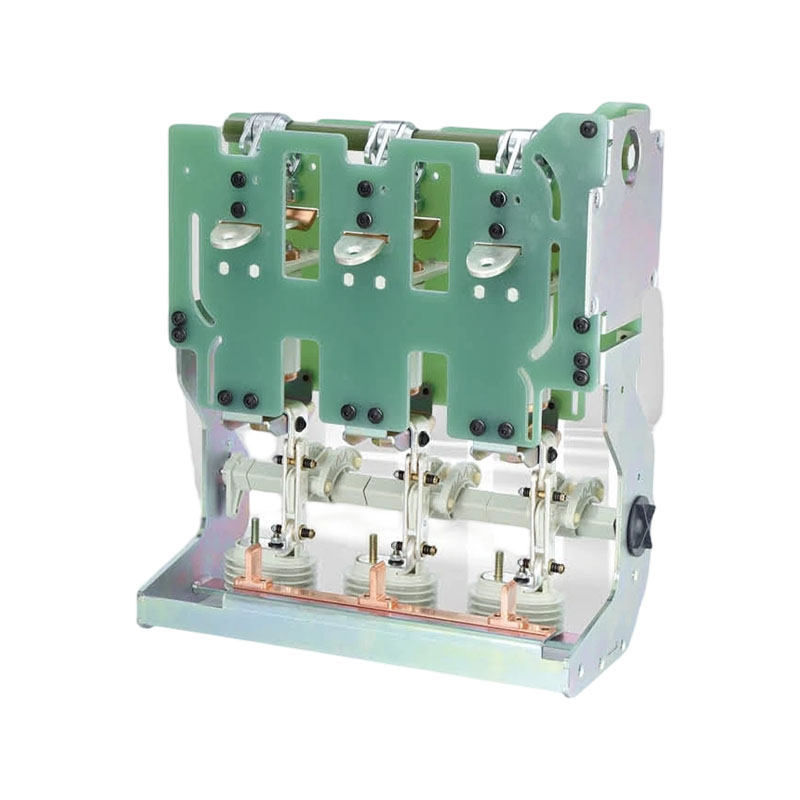
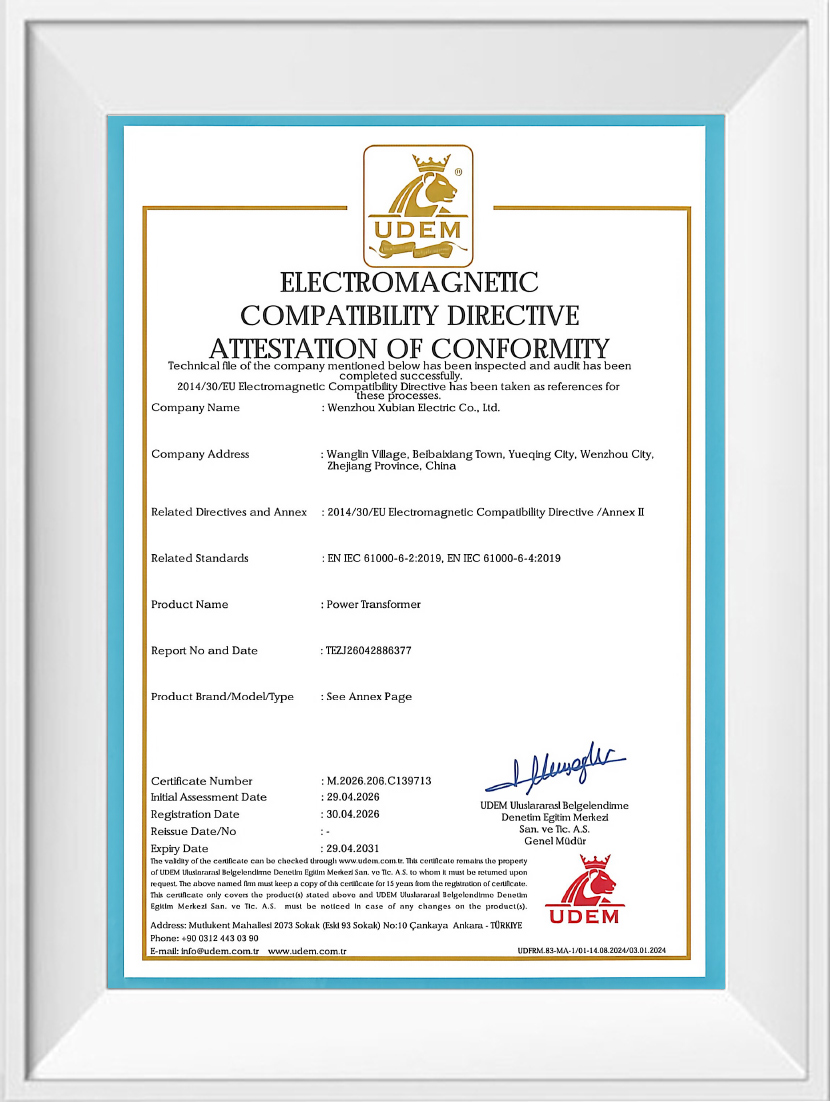
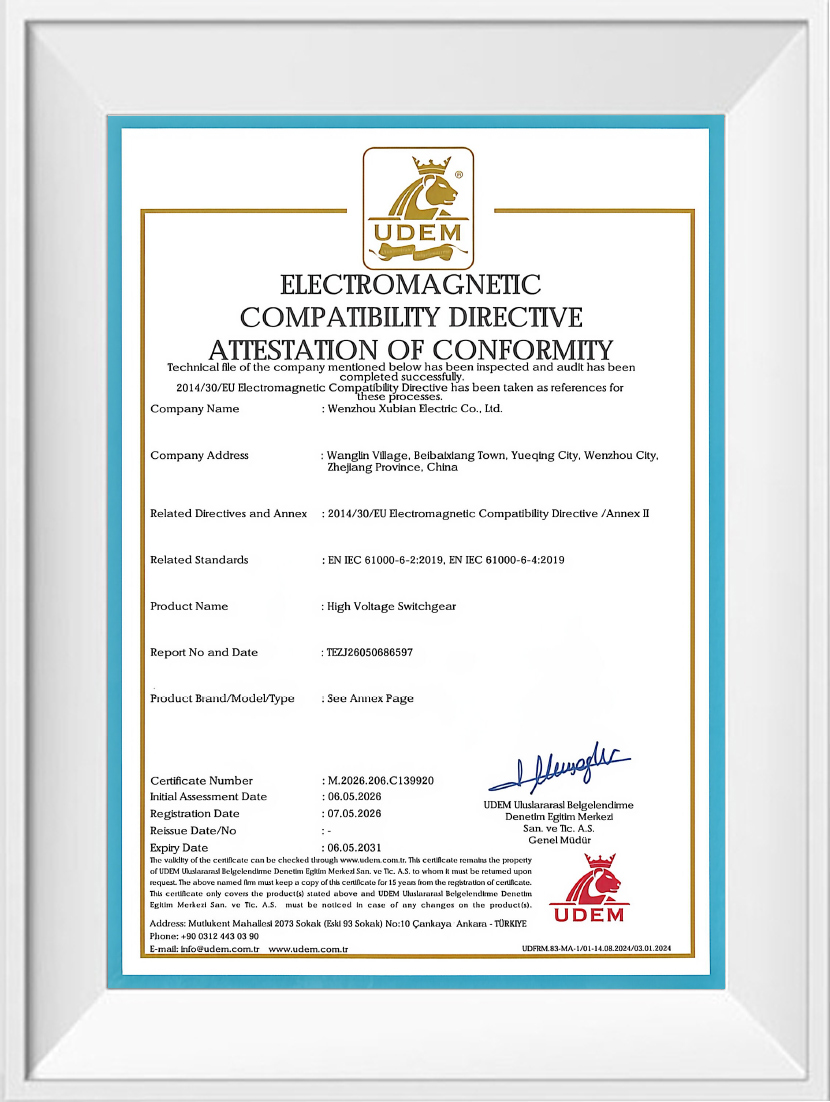
Wenzhou Xubian Electric Co., Ltd. is a China Box-Type Substation Manufacturer producing prefabricated distribution substations together with the outdoor switching equipment that surrounds them: European-type and American-type pre-installed substations, fully underground units, photovoltaic-dedicated substations, cable tapping and branch boxes, outdoor ring mesh cabinets and floor-type prepayment metering devices.
Every unit leaves our Liushi workshop fully wired, insulation-tested and documented, so site work narrows to foundation preparation, cable termination and commissioning. Where a project follows a national grid code, a utility protection philosophy or a private-label programme, we build to that requirement rather than to a catalogue default.
As a Box Type Substation Manufacturer, we match product configuration to the application, operating limits, interfaces and acceptance criteria defined for each project.
The range covers the three functional layers of a distribution substation — high-voltage incoming and protection, transformation, and low-voltage distribution — assembled inside one enclosure with lighting, ventilation and, where specified, heating and temperature control.
| Product family | Typical electrical scope | Where it fits | Configuration notes |
|---|---|---|---|
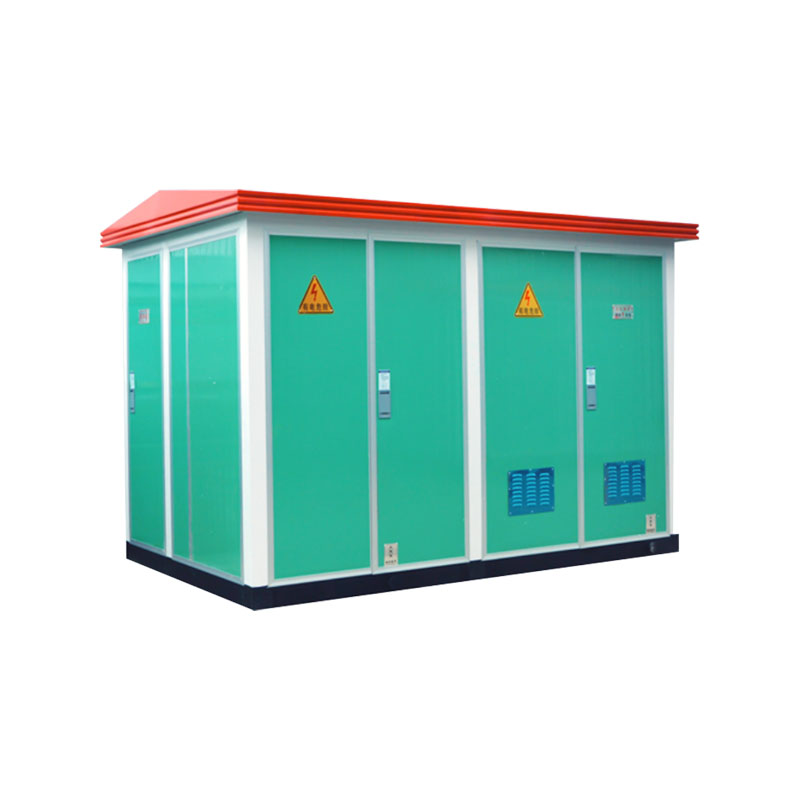
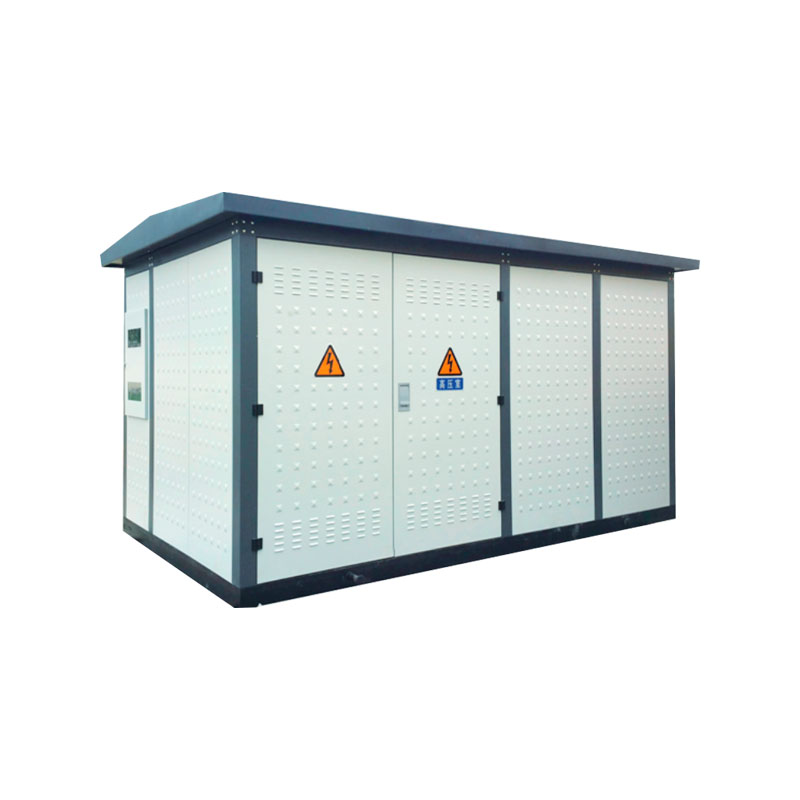
| YB□-12/0.4 European type | 12 kV / 0.4 kV, load-switch-fuse protection to 630 A, vacuum circuit breaker above 800 kVA | Urban distribution retrofit, residential and commercial developments, transport and utility nodes | Up to 30 LV outgoing circuits; contactor or non-contact reactive compensation; general, villa or compact shell |
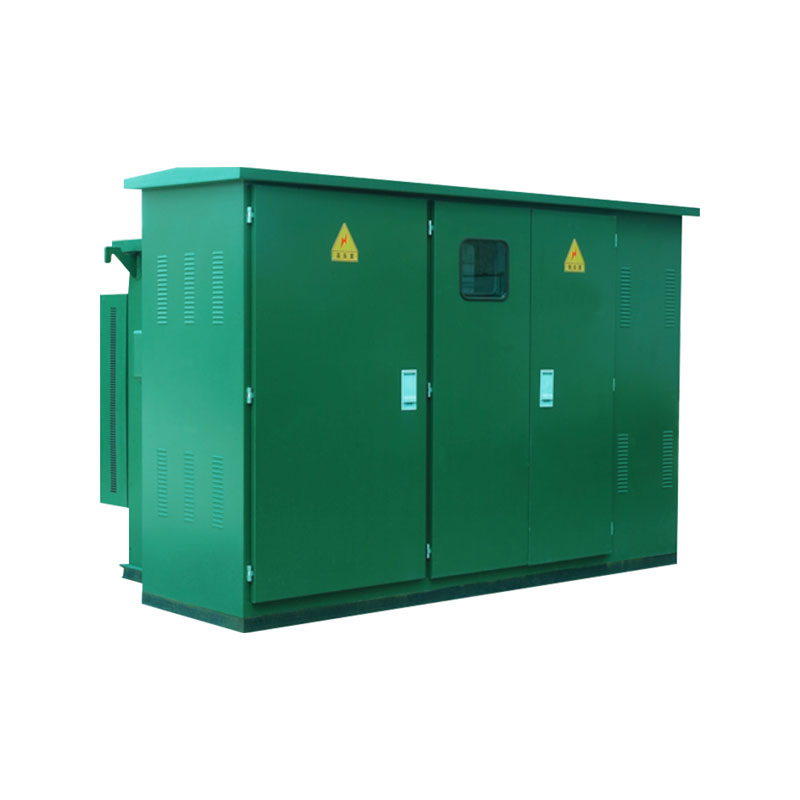
| YB27-12/0.4 American type | 10 kV / 0.4 kV, 50–1600 kVA, IP43, 50 dB noise level | Loop-network and terminal supply for residential, park, dock, plant, mine and airport sites | Backup plus plug-in fuse protection; 200 A load switch for emergency isolation; electric operation option |
| YBD1-12/0.4 underground | 10 kV in, 400/220 V out, whole unit below grade | Sites where surface space or visual impact governs, such as plazas, roads and landscaped districts | Sealed corrosion-resistant enclosure, three compartments, forced ventilation with automatic flood isolation |
| YB□-12/0.315-0.69 PV special | 12 kV / 0.315–0.69 kV | Photovoltaic collection and step-up points | Ratings set by array capacity, inverter output and local interconnection rules |
| XBDWF-12, DFW, DFW-12 tapping and branch boxes | 12 kV cable branching and tapping | Outdoor cable feeders and switching-station positions | Branch circuit count and cable entry direction defined per layout |
| DFWK-12 ring mesh cabinet | 12 kV ring connection, open and closed operation | Ring-network nodes feeding one or several substations | Extensible ring scheme; coordinates with the substation HV scheme |
| Outdoor floor-type prepayment metering device | Low-voltage metering and prepayment control | Revenue metering at outdoor service points | Meter type and tariff control matched to the local utility |
Box-type substations suit projects where the distribution point must sit close to the load but no civil building is available or justified. Municipal distribution networks use them for grid reinforcement and ring extension; industrial parks and plant yards use them for dedicated capacity; residential and commercial developments use them for compact, low-noise transformation close to the demand.
The shell is not a cover but part of the thermal and electrical design. Our European and American enclosures use a honeycomb double-layer composite panel for heat insulation and sound absorption, with stainless steel, aluminium alloy, cold-rolled steel and colour steel plate available according to the duty and the required appearance.
Configuration starts at the high-voltage side. Load switches are available in air, vacuum and SF6 types with electric operating mechanisms for automation upgrades; the fuse is a high-voltage current-limiting type with striker and linked three-phase trip. On American-type units, backup and plug-in fuses in series provide full-range protection with large breaking capacity and on-site fuse replacement.
Ring main unit or load-switch-fuse combination; vacuum circuit breakers such as QCE series for transformers above 800 kVA; 42 kV power-frequency and 75 kV lightning impulse withstand on the 12 kV European scheme.
Universal or intelligent main circuit breaker with selective protection, moulded-case outgoing breakers up to 30 circuits, undervoltage release on the incoming switch, and contactor or non-contact reactive compensation.
Distribution network automation terminals (FTU) on the HV ring main unit for short-circuit and single-phase earth fault detection with four-remote function; electric operating mechanisms prepare the unit for remote control.
The modular pre-installed concept moves wiring and verification from the site into the workshop. Compartments are fitted with lighting; switchgear compartments carry forced ventilation and temperature control devices where specified, and heating devices keep the interior above dew point in humid climates.
Incoming materials and purchased components are inspected on arrival, spot checks follow assembly and wiring, and semi-finished equipment passes insulation resistance, power-frequency withstand and DC resistance tests before it moves to the next stage. Finished units run voltage-withstand, temperature-rise and functional verification, and ship with a test report, drawings and manuals so the receiving engineer can compare the delivered configuration against the approved technical agreement.
We prepare the electrical scheme, enclosure arrangement and quotation from the project working point rather than from a standard list. The following inputs let our engineers return a complete proposal with structural drawings and a confirmed bill of equipment.
Goods are packed to export standards with loading information and full export documents. Installation guidance and online technical support cover commissioning and troubleshooting, and quality inquiries are answered within two hours.
Products carry a 12-month repair, replacement and return warranty, with spare parts supplied at favourable prices afterwards. Standard models are typically quoted at 7–15 working days, while OEM and ODM configurations follow the confirmed drawings and production schedule. Where the design calls for a transformer outside the standard fit, the Transformer Series can be matched to the substation enclosure and protection scheme as one package.
The 12 kV class is the core: 10 kV input stepped down to 0.4/0.22 kV, with American-type units from 50 kVA to 1600 kVA and European units protected by load-switch-fuse combinations up to 630 A, moving to vacuum circuit breakers above 800 kVA. Photovoltaic units use a 0.315–0.69 kV low-voltage side.
Yes. We customise rated voltages, connection symbols, protection philosophy, cable entry, enclosure colour, nameplate language and documentation to the destination market. OEM and ODM programmes cover drawing design, prototype confirmation and series production under your own brand.
The YBD1-12/0.4 underground substation installs the complete HV, transformer and LV arrangement below grade in a sealed enclosure, with drainage troughs, forced ventilation and automatic isolation during flood backflow.
Structural and electrical drawings, the technical agreement, factory test reports covering insulation resistance, power-frequency withstand, DC resistance, temperature rise and functional checks, plus operation and maintenance manuals and export documents.
The YB□-12/0.4 European-type pre-installed substation integrates full HV switchgear with a composite enclosure and up to 30 LV outgoing circuits, while the YB27-12/0.4 American-type substation uses dual-fuse full-range protection in a more compact footprint. The choice usually follows the local distribution convention and the utility's protection practice.

 392635183@qq.com
 +86-0577-62657873
 +86-13858819036
 No.300 Kaixing Road, Xindong Village, Liushi Town, Yueqing City, Wenzhou City, Zhejiang Province, P.R.China
