


 en
 English
 русский
 Español
 عربى
 Français
 Português
Industry News
Home / News / Industry News / How to Choose Power Distribution Equipment: Switchgear, Transformers and OEM Options from China

Content
Buyers often start with a product name and end up with mismatched parts. A better method is to start with the electrical duty and work outward to the enclosure, control scheme and shipment split. The five steps below keep a 12 kV to 0.4 kV distribution package consistent from drawing to commissioning.
Neither format is better in every case. Withdrawable switchgear suits substations and plant main boards where a circuit must be isolated and restored quickly. Fixed switchgear suits single-busbar substations where the breaker is inspected in place and the budget for space and complexity is tighter.
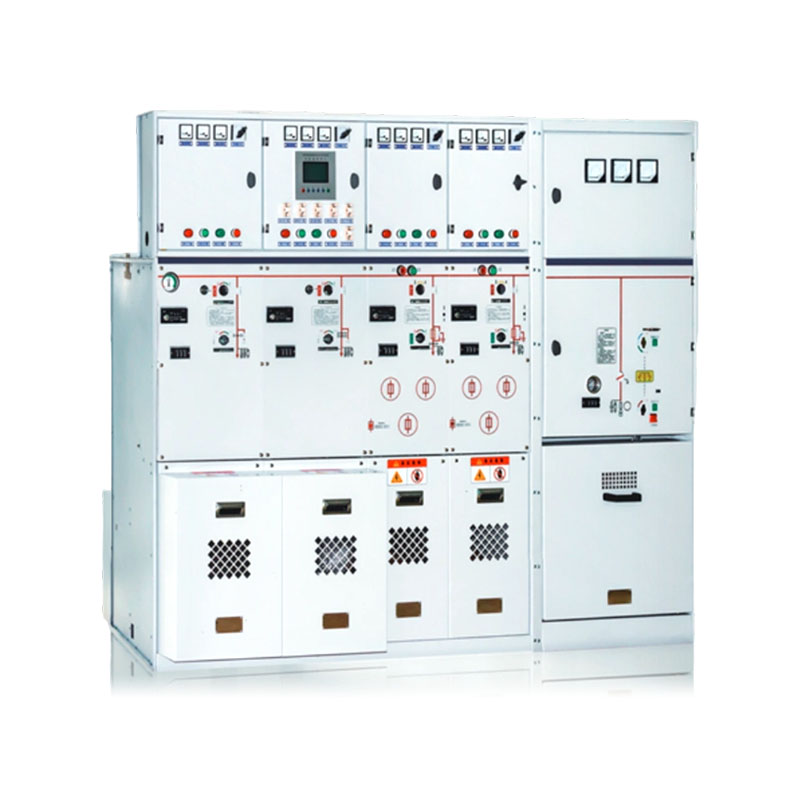
Withdrawable cabinets such as KYN28-12(Z) use four separate compartments for the busbar, breaker truck, cable and relay sections, with enclosure protection of IP4X and front-side maintenance. A spare truck can replace a breaker in minutes, which keeps downtime short. Fixed cabinets such as XBXGN-40.5 use a simpler structure with single busbar or single busbar with bypass arrangements.
| Factor | Withdrawable (KYN28-12, KYN61-40.5) | Fixed (XBXGN-40.5) |
| Voltage class | 3.6 to 12 kV and 40.5 kV | 40.5 kV, 1600 A, 25 kA |
| Maintenance | Truck withdrawn, spare truck swaps in | Breaker inspected in place |
| Enclosure rating | IP4X on 12 kV, IP3X on 40.5 kV | IP2X |
| Best fit | Main distribution, frequent operation, fast restoration | Single-busbar substations, bypass schemes |
Browse selected models from our range of switchgear, transformers, box-type substations and inflatable cabinet accessories. Use the arrows or swipe to see more, and open any card for the full product page with parameters and drawings.
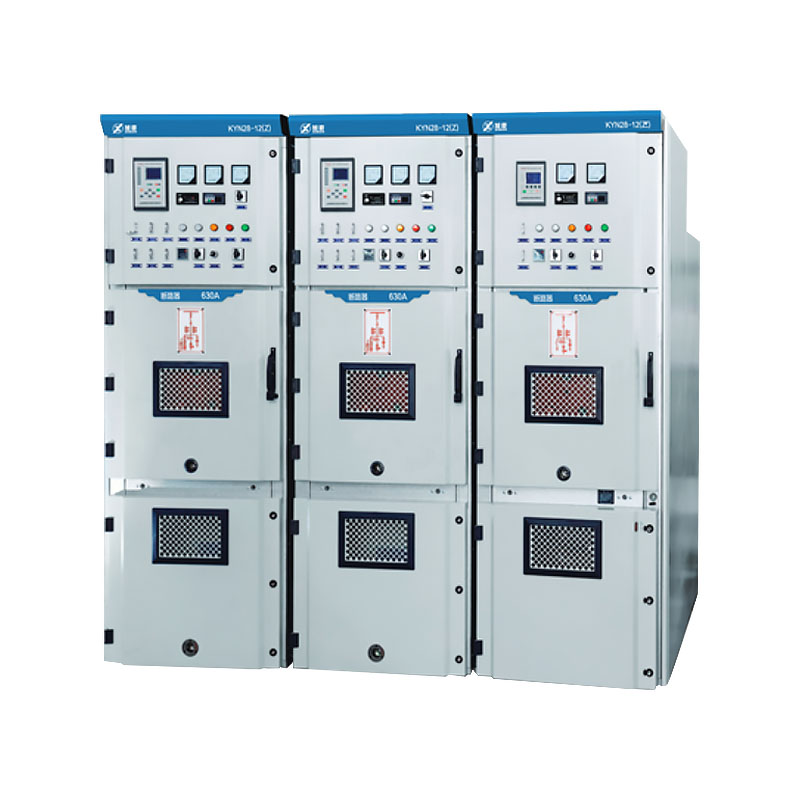 KYN28-12(Z) AC metal armored switchgearHigh-Voltage Complete Switchgear
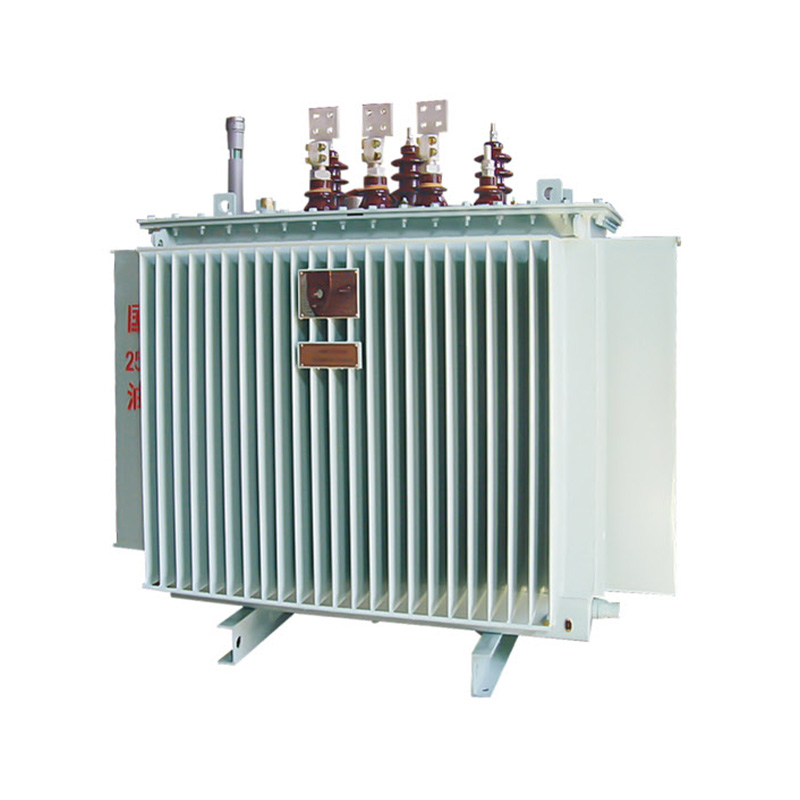 S11-10kV Fully sealed oil-immersed distribution transformerTransformer Series
 YBD1-12/0.4 Underground substationBox-Type Substation
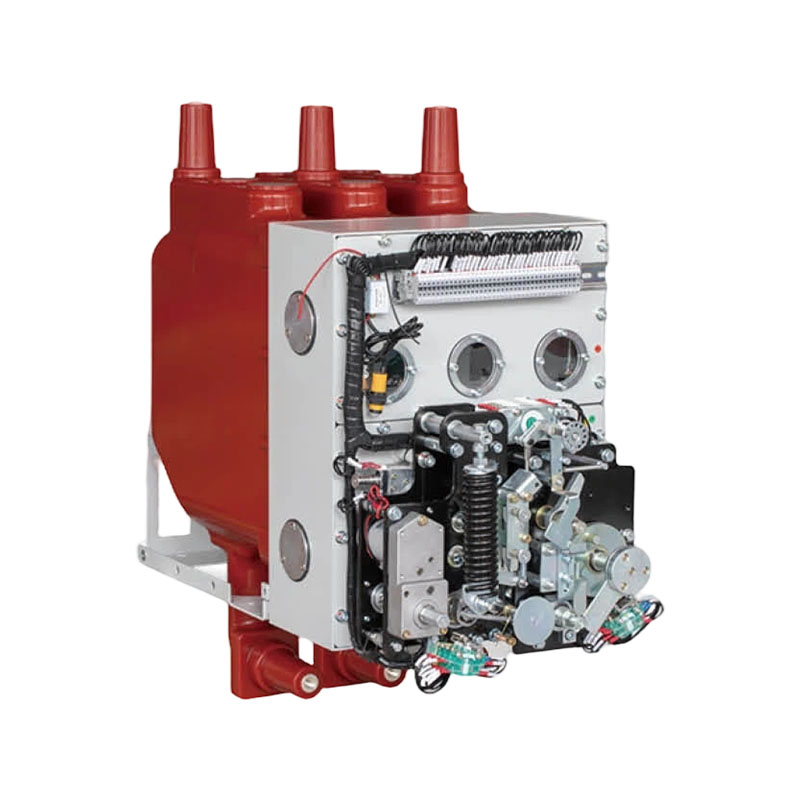 FKSIS-12/T(D)630A-25kA Solid insulation circuit breakerInflatable Cabinet Accessories
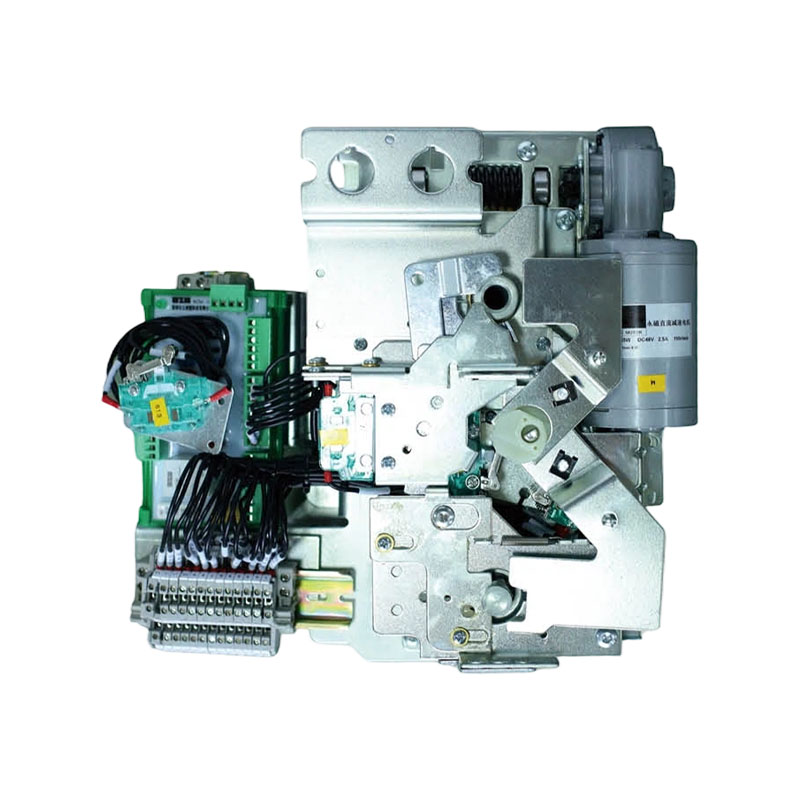 FK-12 CF-type spring operating mechanismInflatable Cabinet Accessories
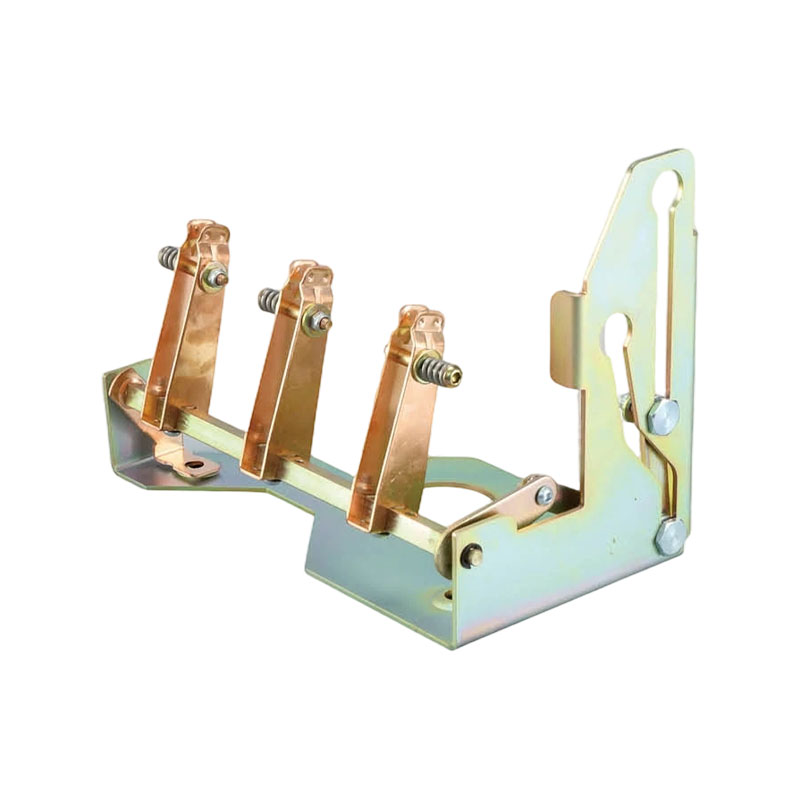 FKF-12 Earthing switchInflatable Cabinet Accessories
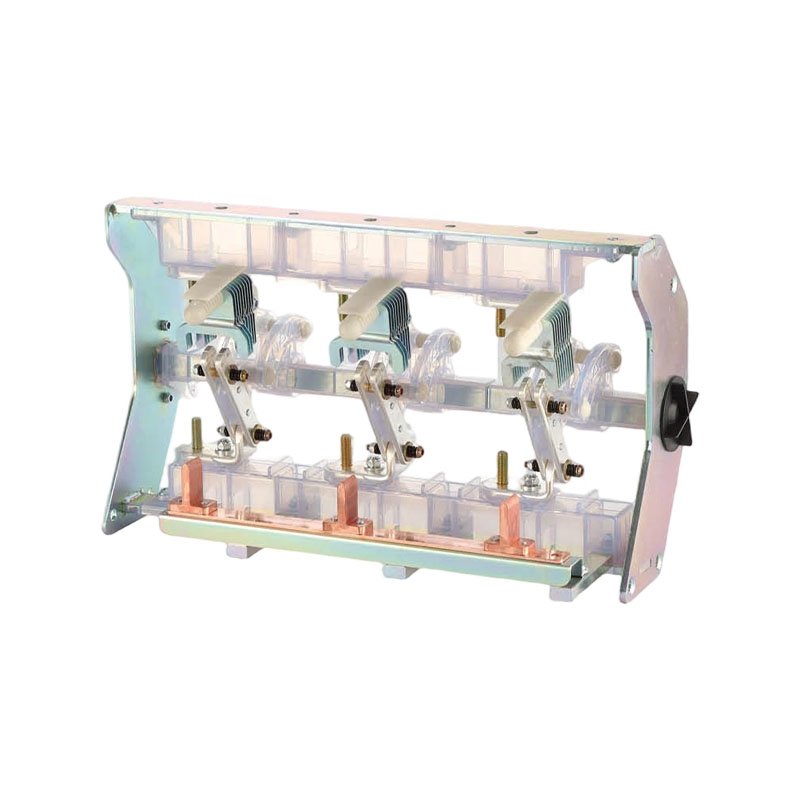 FKC-12kV-630A Load switchInflatable Cabinet Accessories
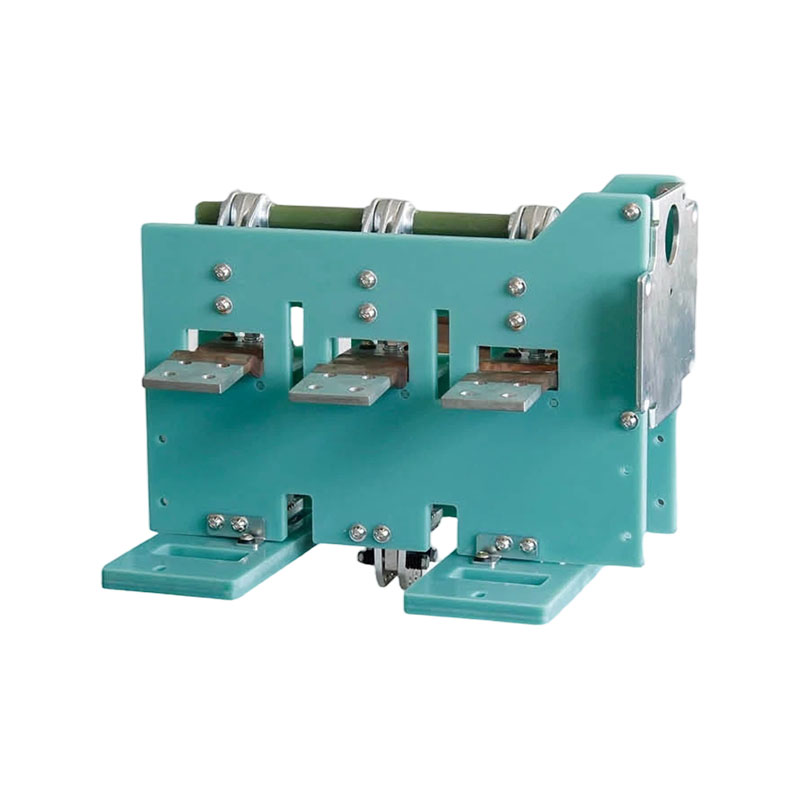 FKV-12kV-1250A Circuit breaker for inflatable cabinetInflatable Cabinet Accessories
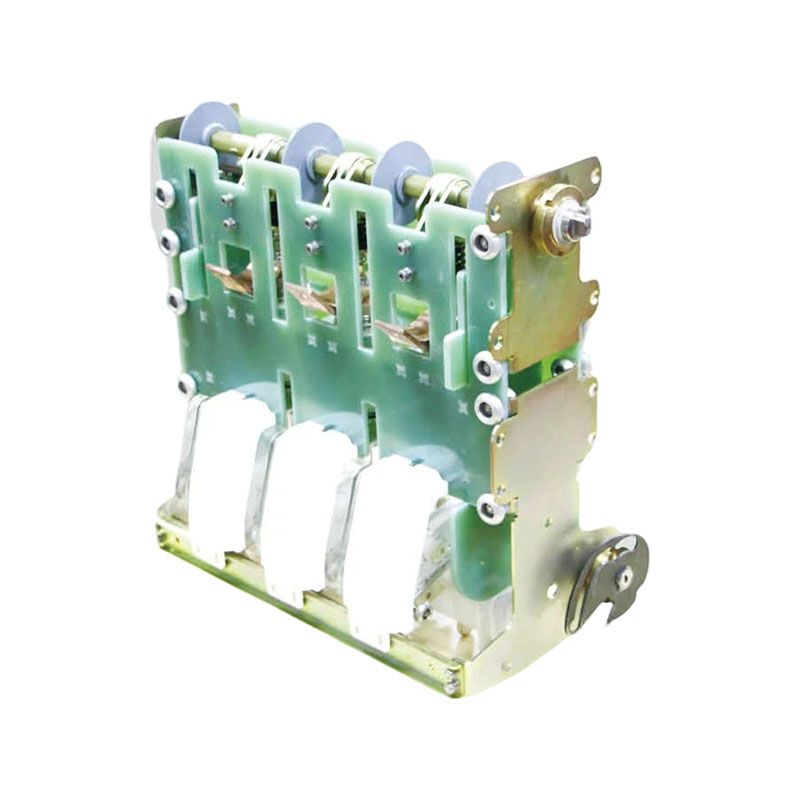 FKHB-630A Environmental protection cabinet circuit breakerInflatable Cabinet Accessories
The siting decision comes before the electrical detail, because it fixes the insulation medium, the enclosure and the maintenance routine. Sealed oil-immersed units suit outdoor yards, pole mounting and box-type substations. Dry-type cast resin units suit indoor rooms and buildings where oil containment and fire separation are impractical.
| Factor | Sealed oil-immersed (S11) | Dry-type cast resin (SC(B)) |
| Construction | Sealed tank, cold-rolled silicon steel core, oxygen-free copper HV winding | Epoxy cast winding, no oil |
| Typical location | Outdoor yards, pole or pad positions, box-type substations | Indoor rooms, commercial and industrial buildings |
| Voltage class | 10 kV, with S22 units for 11 kV, 15 kV and 33 kV | 10 kV |
| Key checks | Loss level, tap range, vector group, cable termination | Enclosure IP, cooling class, temperature monitoring |
Whichever type you select, lock the capacity in kVA, impedance, vector group, tapping range and accepted loss levels before winding starts. These values are written into the technical agreement so that the delivered unit can be compared against it. The full range, from 10 kV to a 220 kV on-load regulating transformer, is listed on the transformer series page.
Scenario matters more than catalogue labels. The same 12 kV class can be delivered in very different formats depending on land, load and grid rules.
Photovoltaic sites need a 12 kV interface with a low-voltage collection side sized to the inverter output. Pre-installed substations with a 0.315 to 0.69 kV low-voltage side are built for this duty, and active filter cabinets help control power quality at the connection point.
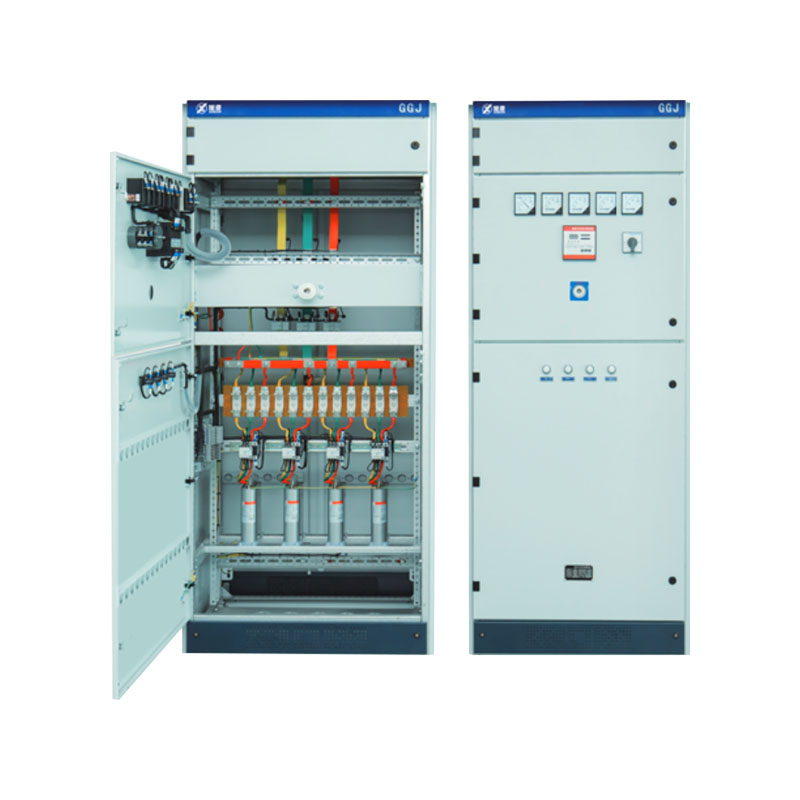
Plants with large motors, crushers and fans see high starting current, dust and wide temperature swings. These projects normally use withdrawable switchgear with higher short-circuit ratings, mechanical interlocks, anti-condensation heating and agreed enclosure grades, supported by low-voltage assemblies built to GB/T 7251.
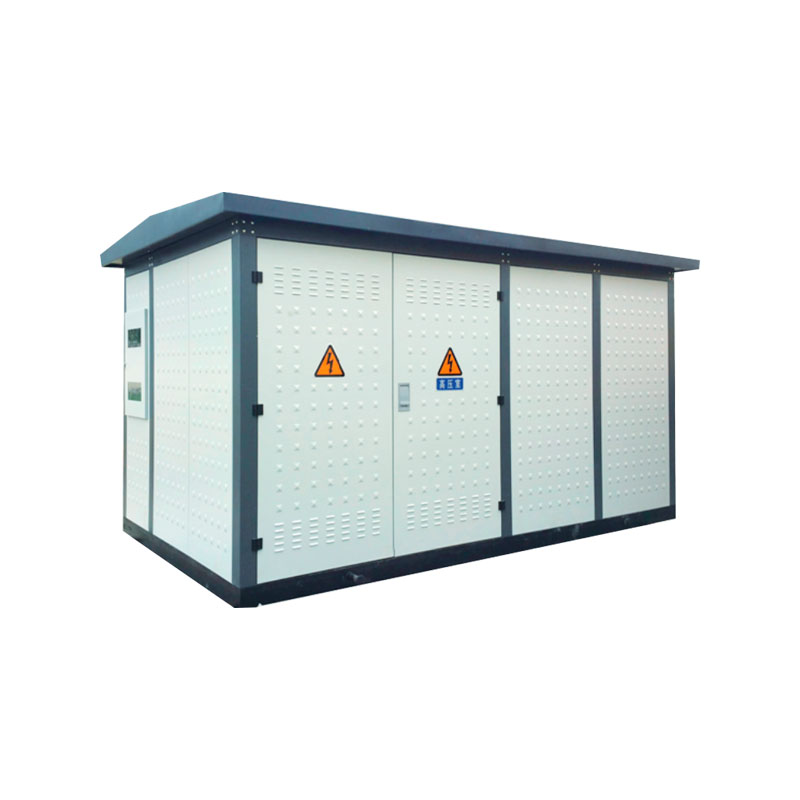
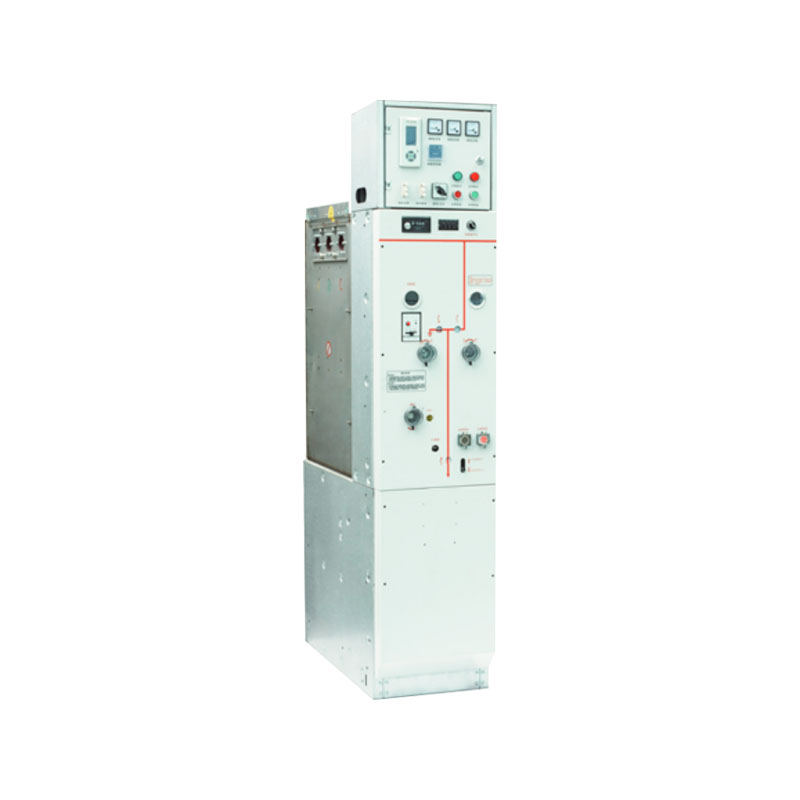
Where land is scarce, compact ring main units and box-type substations replace a dedicated building. The box-type substation range includes the YBD1-12/0.4 underground unit, which is installed below grade in a sealed enclosure designed for no visible corrosion over a 50-year service life. American-type units cover 50 kVA to 1600 kVA at IP43 and a 50 dB noise level, which suits parks and residential districts.
| Scenario | Recommended equipment | Main reason |
| Solar park | PV box-type substation, sealed transformer, active filter cabinet | Inverter-matched low-voltage side, pre-tested unit |
| Mining or heavy industry | Withdrawable switchgear, vacuum circuit breakers | High short-circuit rating, fast restoration |
| Dense city block | Underground substation, compact ring main unit | Little or no ground space needed |
| Commercial building | Dry-type transformer, low-voltage distribution cabinets | Oil-free indoor installation |
A dependable China Power Distribution Equipment Supplier does more than ship cabinets. Look for in-house sheet-metal processing, busbar fabrication, assembly and testing, because the unit that leaves the line should be the unit that was tested. Wenzhou Xubian Electric Co., Ltd. works from its factory in Liushi Town, Yueqing, Wenzhou, Zhejiang, with more than 10 years of experience in complete switchgear systems.
OEM Power Distribution Equipment is built to your drawings and carries your nameplate, manual and packaging. ODM Power Distribution Equipment starts from the manufacturer's design and adapts voltage class, structure and components to your market. Custom Power Distribution Equipment covers any configuration outside the standard list, from cable entry direction to protection scheme. In all three routes, the scope is confirmed through drawings and a technical agreement before production.
Importers and engineering contractors usually need repeat orders with the same nameplates, documents and packing formats. Wholesale Switchgear and Transformers programmes keep these elements consistent across shipments, so that site teams receive familiar equipment every time. Standard models are normally scheduled within 7 to 15 working days, while OEM and ODM equipment follows drawing approval and production planning.
Ask for the test record, not just a promise. Semi-finished units should pass insulation resistance, power-frequency voltage withstand and DC resistance checks. Finished equipment should pass voltage withstand, temperature rise and functional verification. For non-standard designs, a prototype can be tested for approval before mass production. Test reports, drawings, manuals and export documents then travel with the shipment.
Use the list below as a last review. If every item has a clear answer, the order is ready for drawing confirmation.
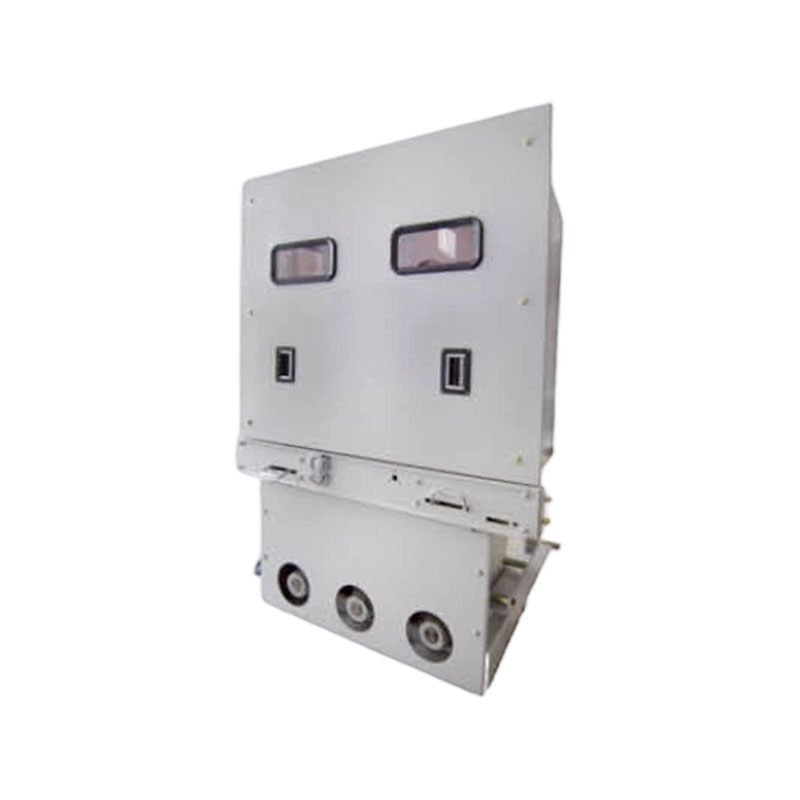
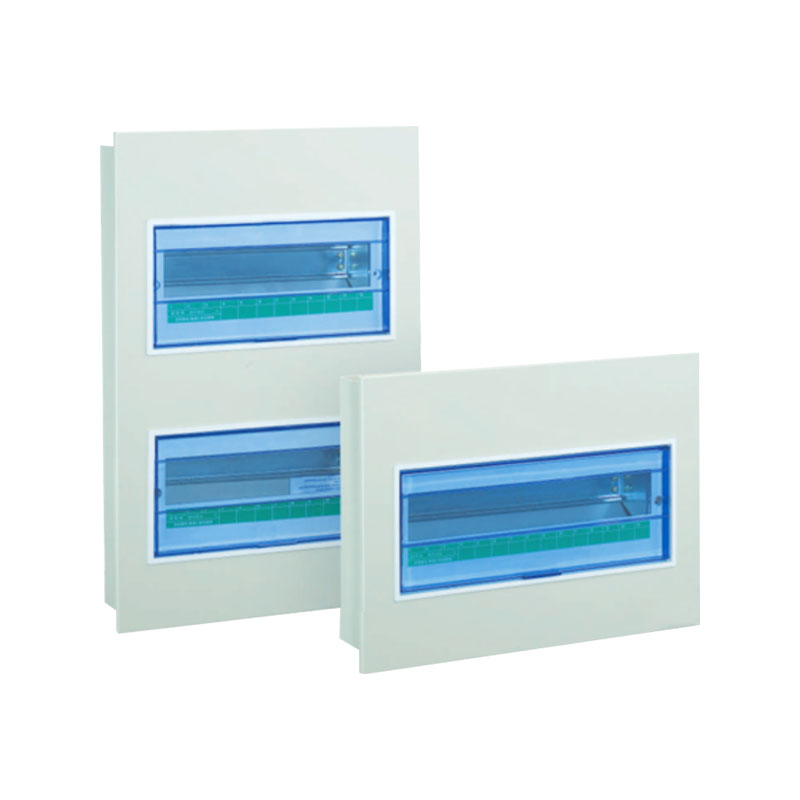

 392635183@qq.com
 +86-0577-62657873
 +86-13858819036
 No.300 Kaixing Road, Xindong Village, Liushi Town, Yueqing City, Wenzhou City, Zhejiang Province, P.R.China
Copyright © Wenzhou Xubian Electric Co., Ltd. All Rights Reserved
China Power Distribution Equipment Manufacturer Custom Power Distribution Equipment Factory
