


 en
 English
 русский
 Español
 عربى
 Français
 Português
10+
Years Experience

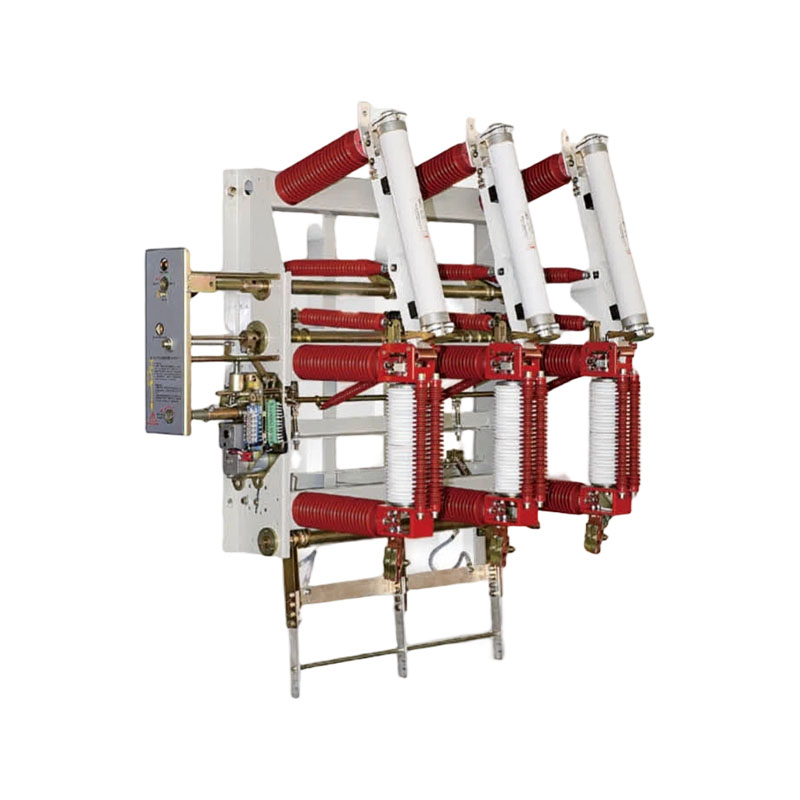
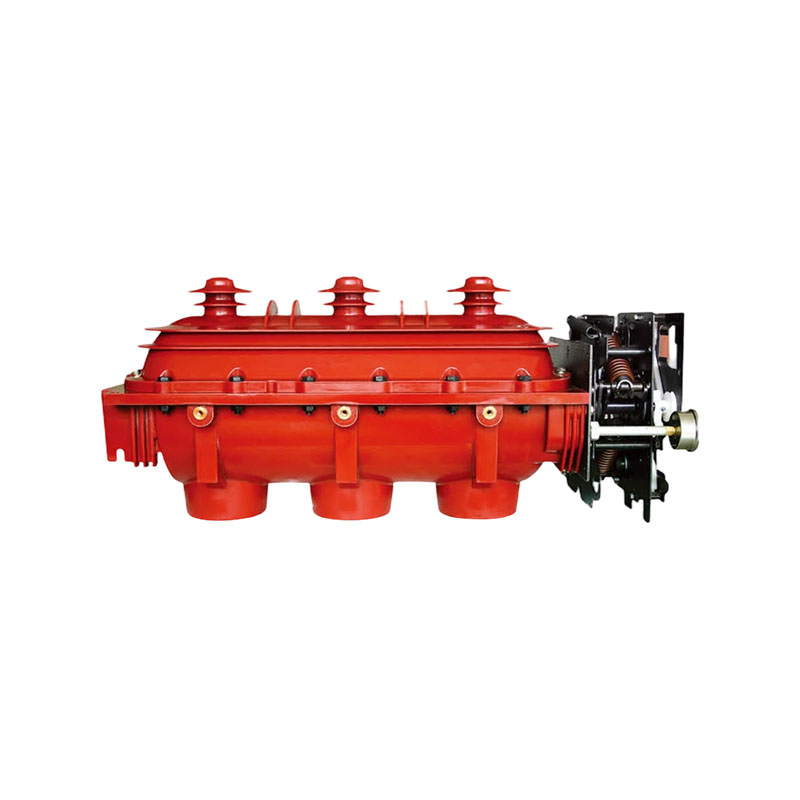
Our load switch series is mainly used for feeder switches, ring main units, and transformer incoming/outgoing line protection in distribution networks, covering outdoor high-voltage vacuum load switches, compressed air load switches, and load switch-fuse combination appliances, capable of switching load current and providing limited short-circuit protection.
The products are compact, oil-free and pollution-free, with a long mechanical life — well-suited for ring main and dual-radial power supply applications that require high reliability. Manual and electric operation options are available, and customized designs and bulk supply are offered based on the customer's grid parameters.

Wenzhou Xubian Electric Co., Ltd. is a technology-driven China 11kV High Voltage Load Break Switch Manufacturer and Custom 11kV High Voltage Load Break Switch Supplier, specializing in the production, sales and after-sales maintenance of high- and low-voltage complete switchgear systems.
We have a dynamic and innovative team for R&D, design, management and marketing, backed by solid R&D and production competence.
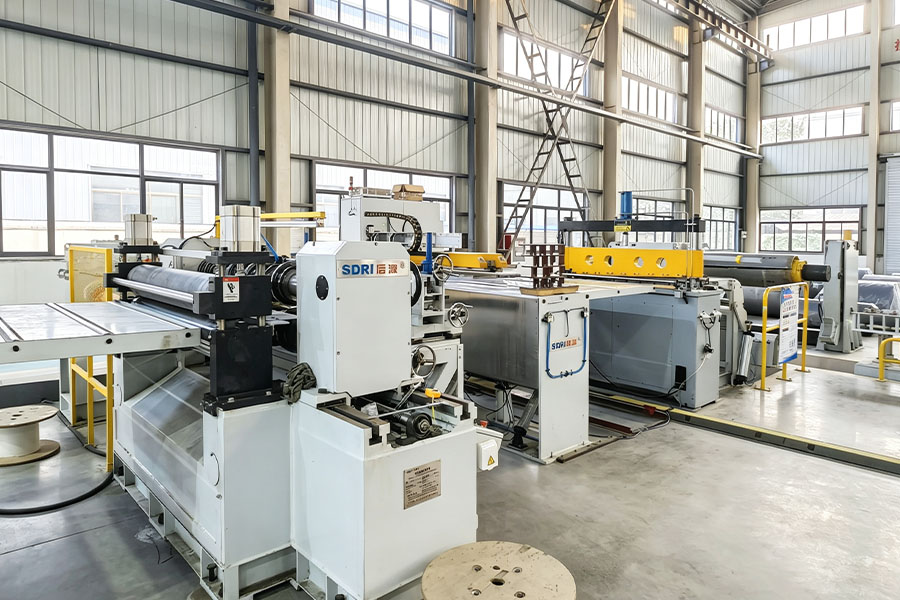
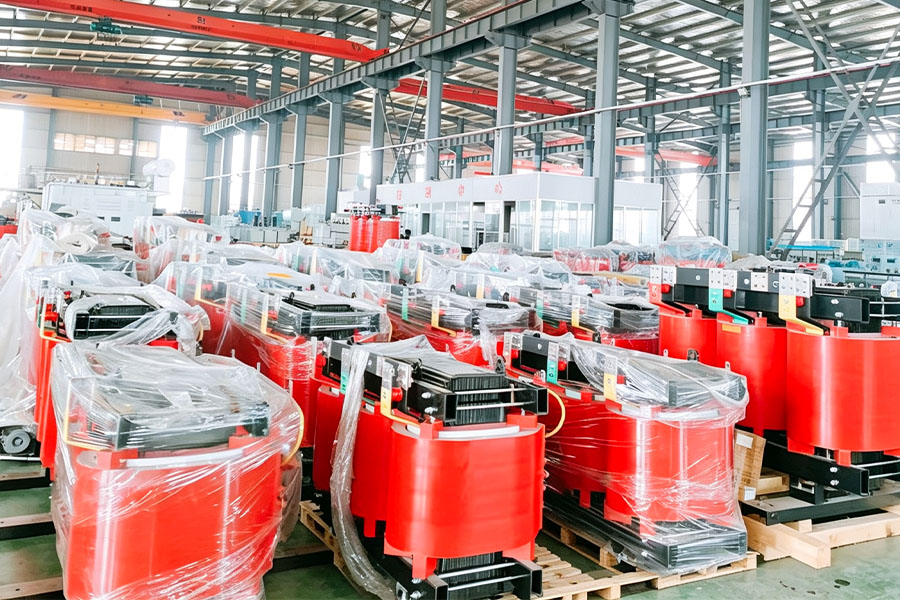
Following our quality policy: “Survival through Quality, Development through Innovation, Continuous Improvement, Customer Satisfaction”, we enforce strict control over all production stages to ensure 100% qualified finished goods. Our workshop is well‑equipped with full‑range processing facilities, testing apparatus and advanced inspection solutions.
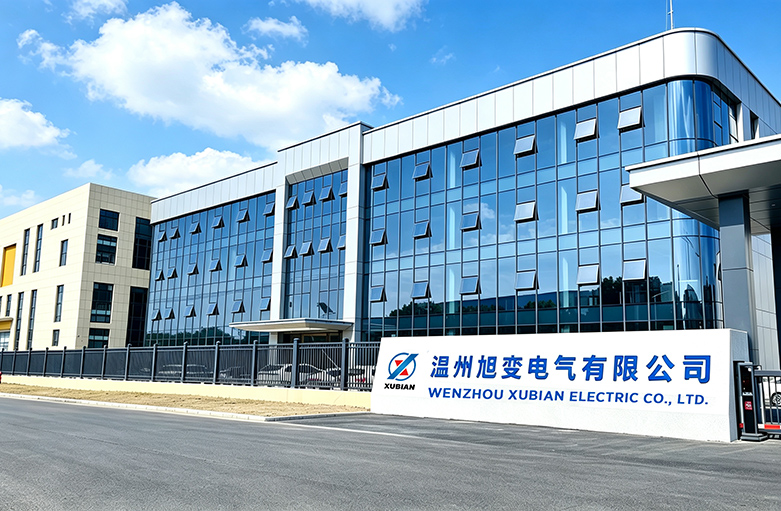
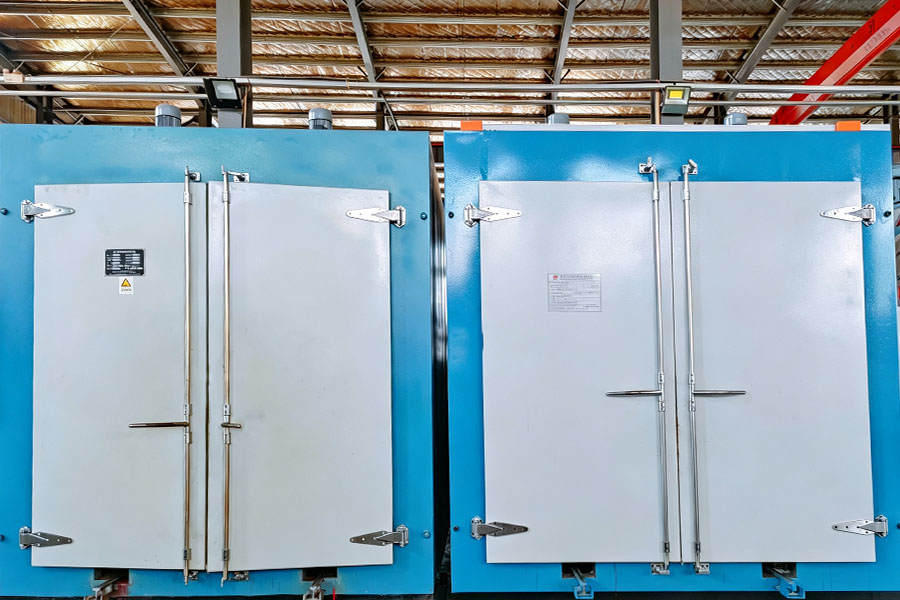
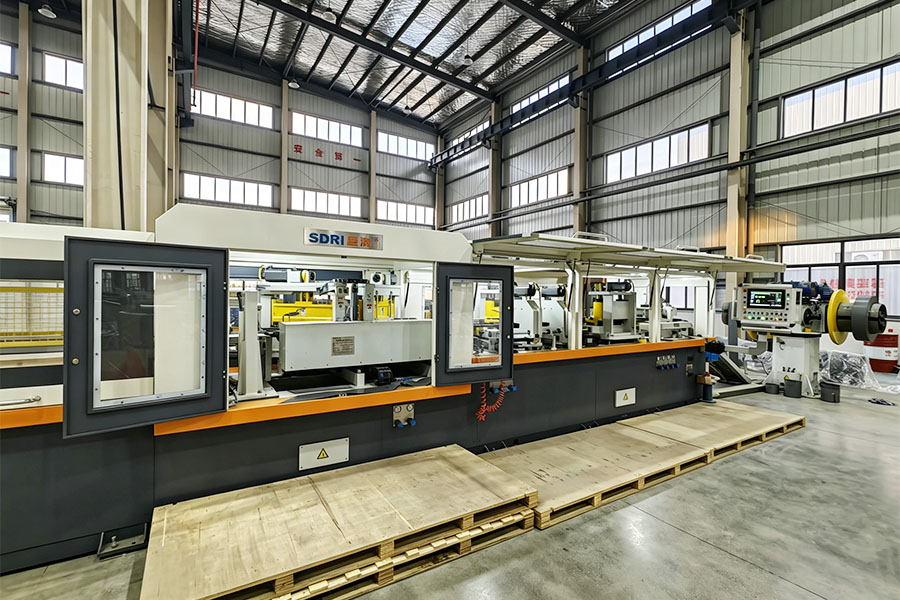
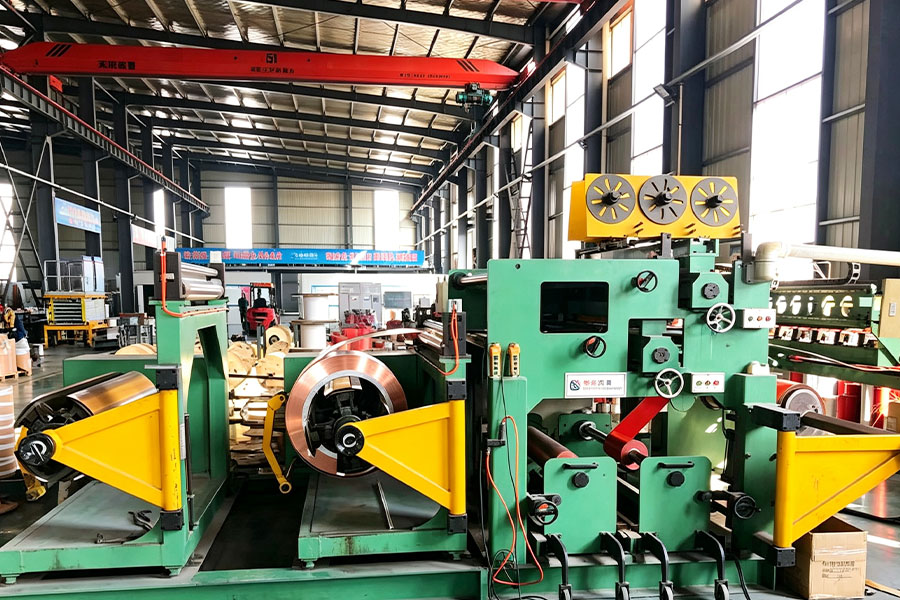
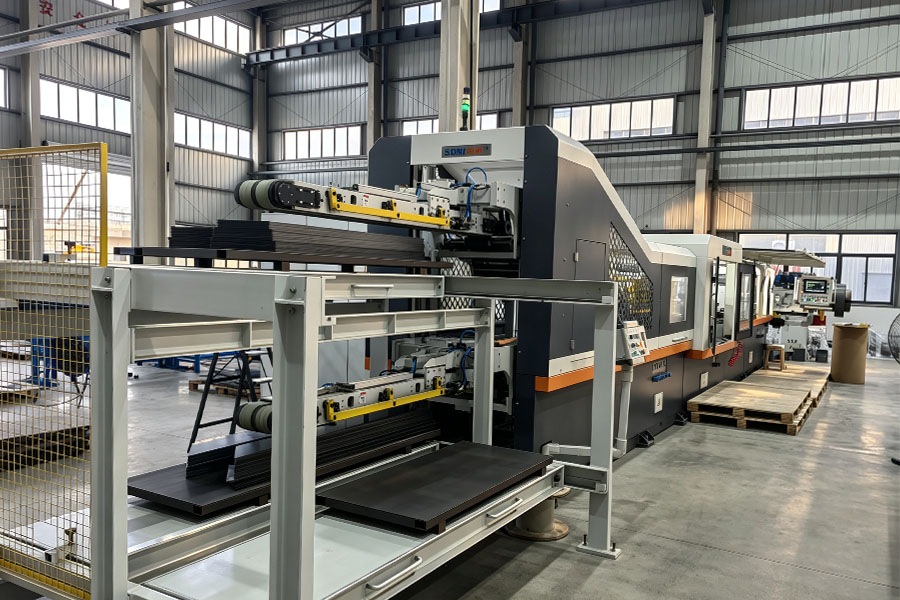
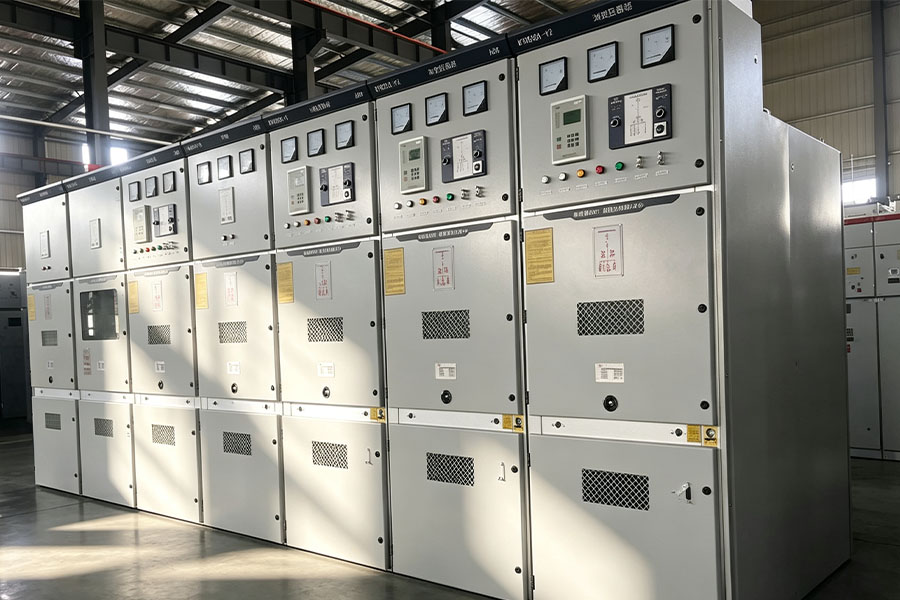
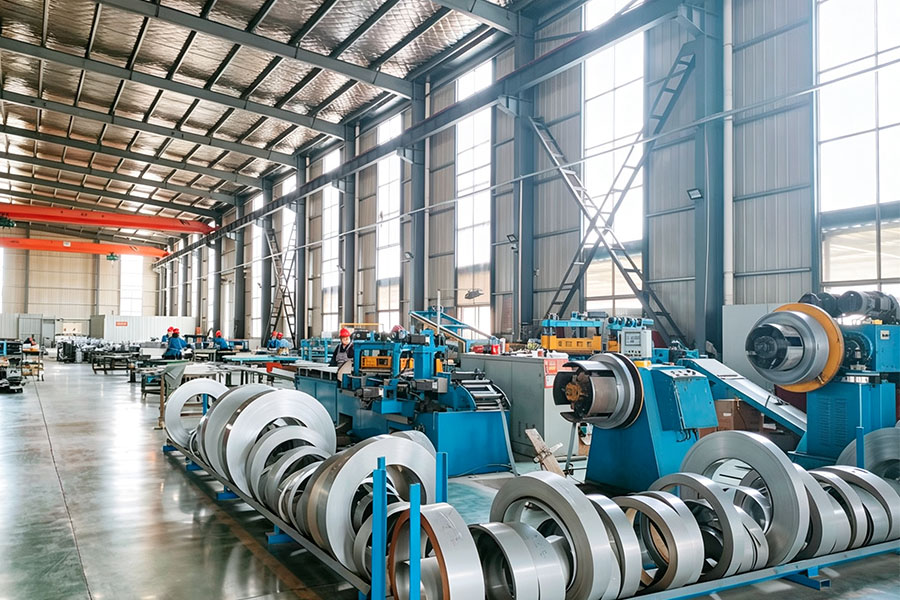
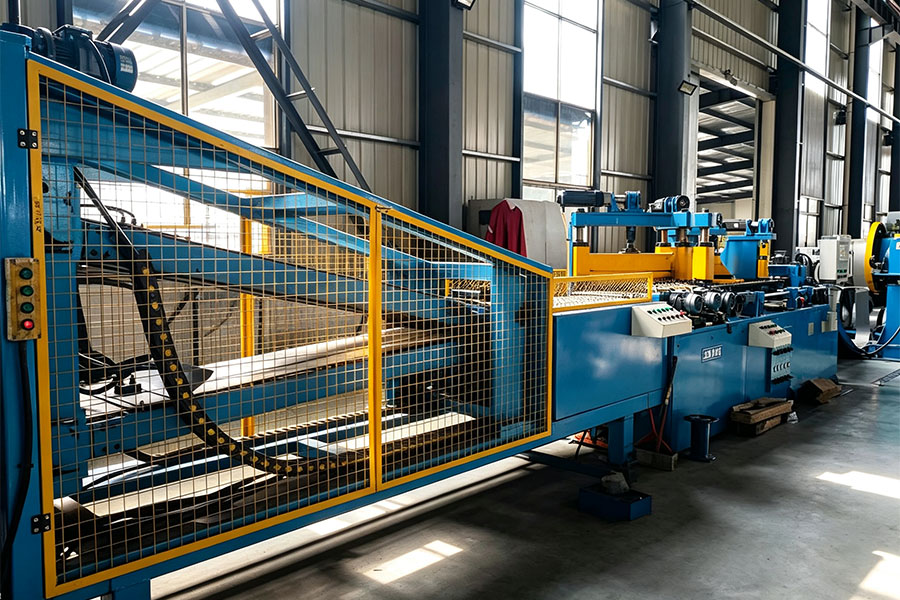
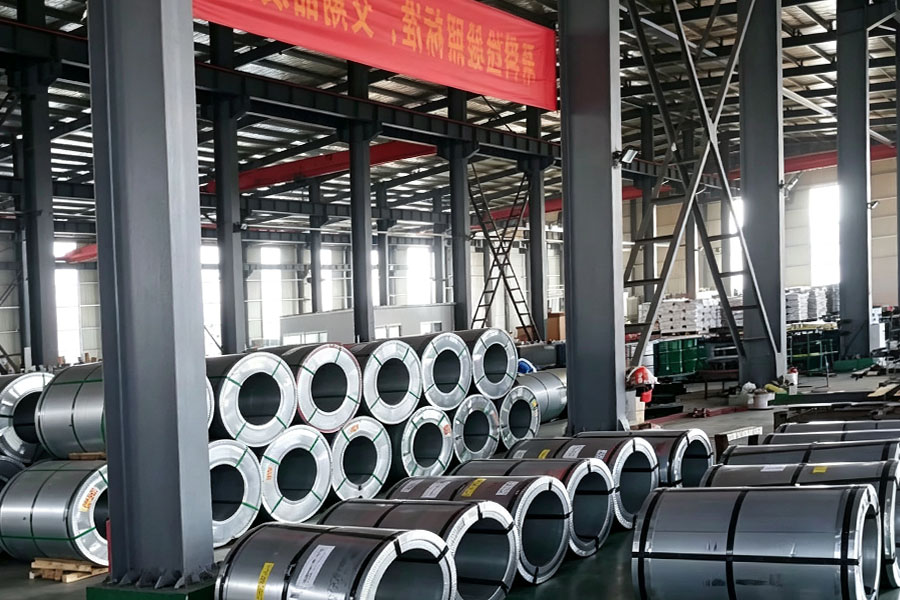
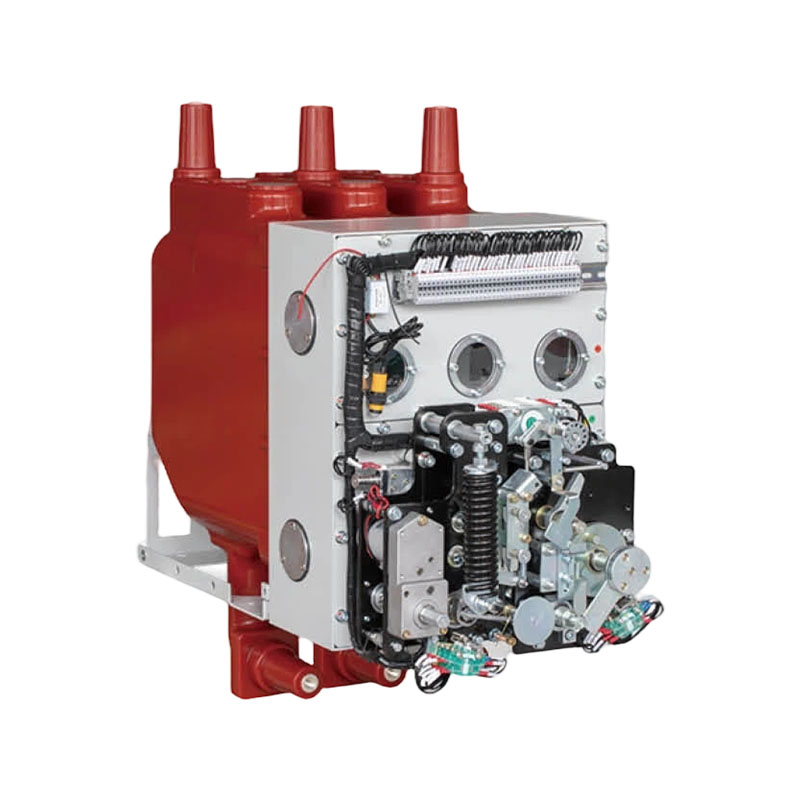
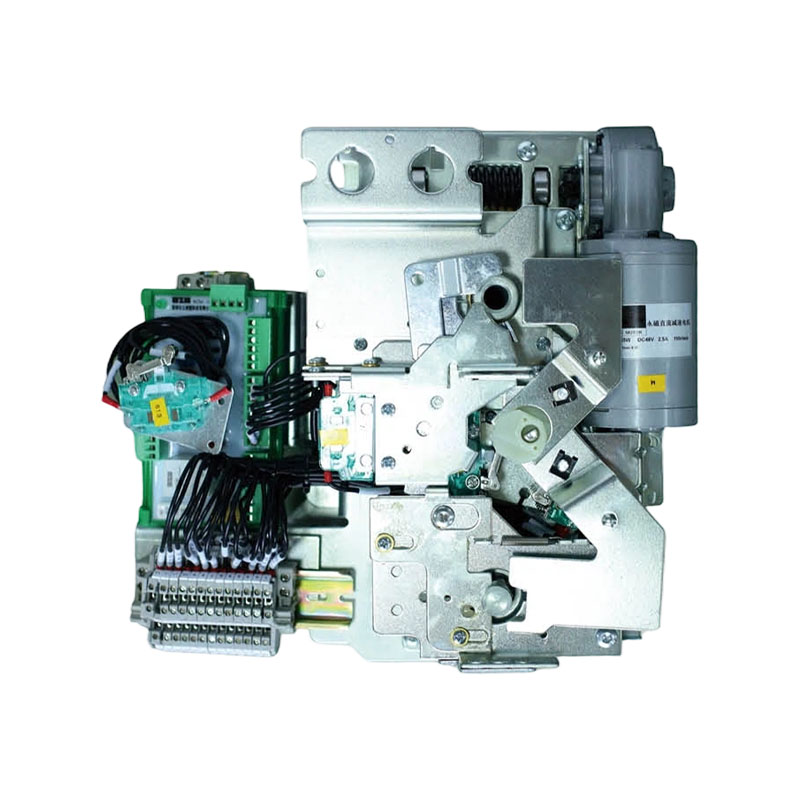
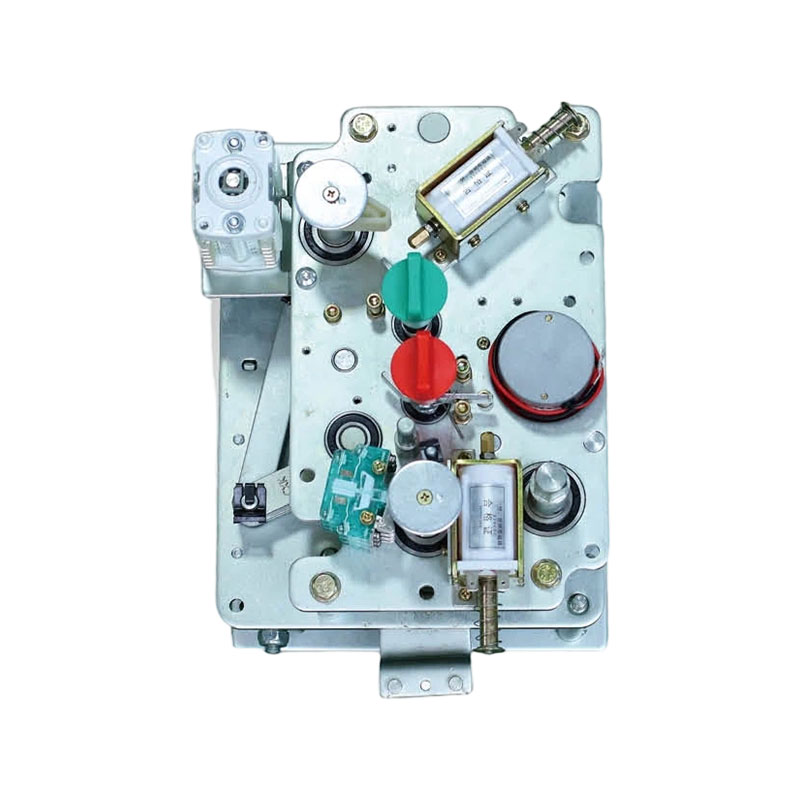
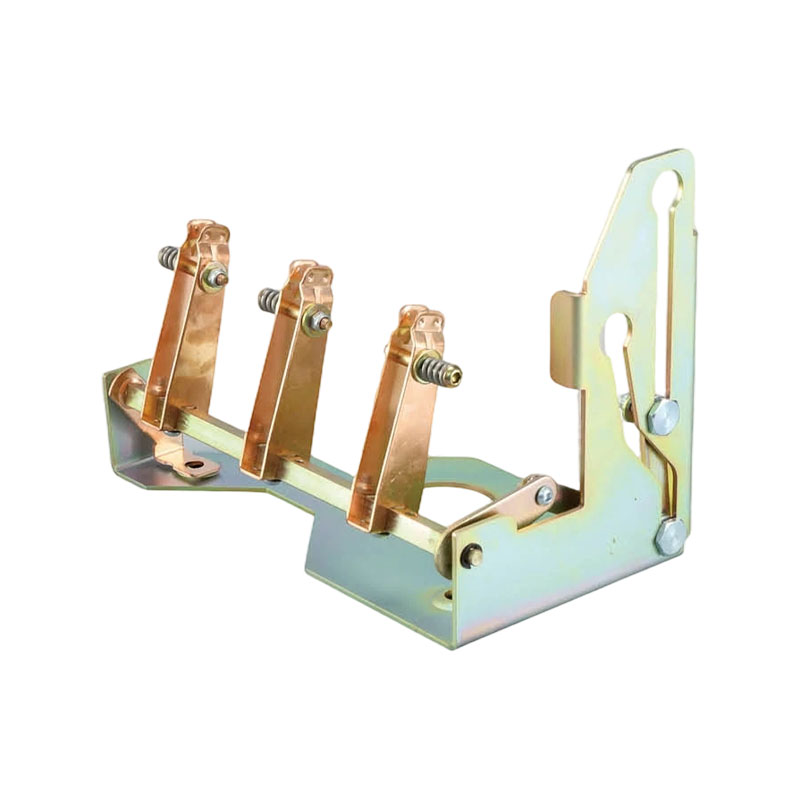
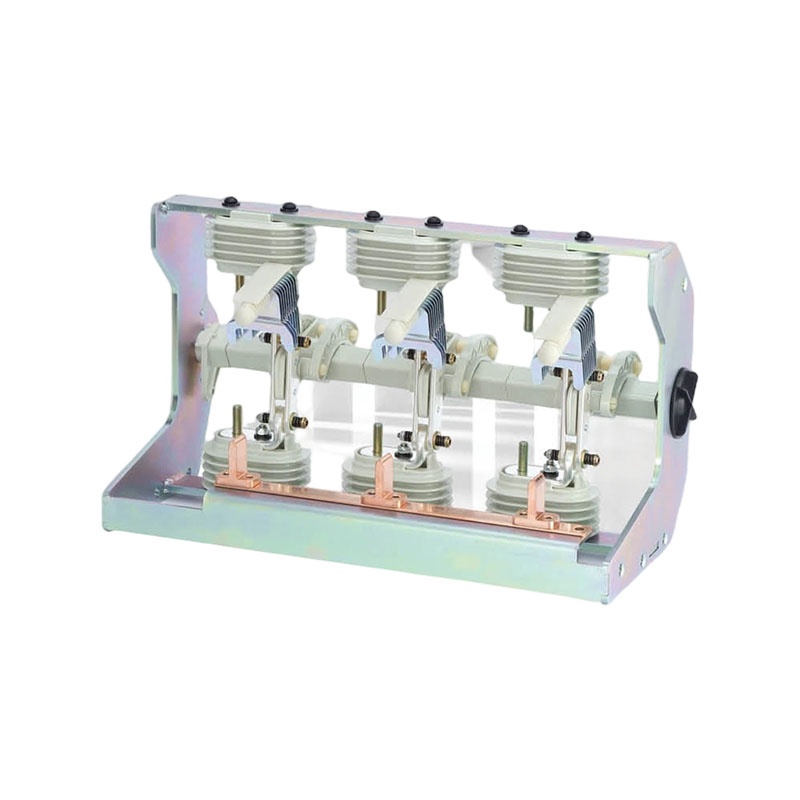
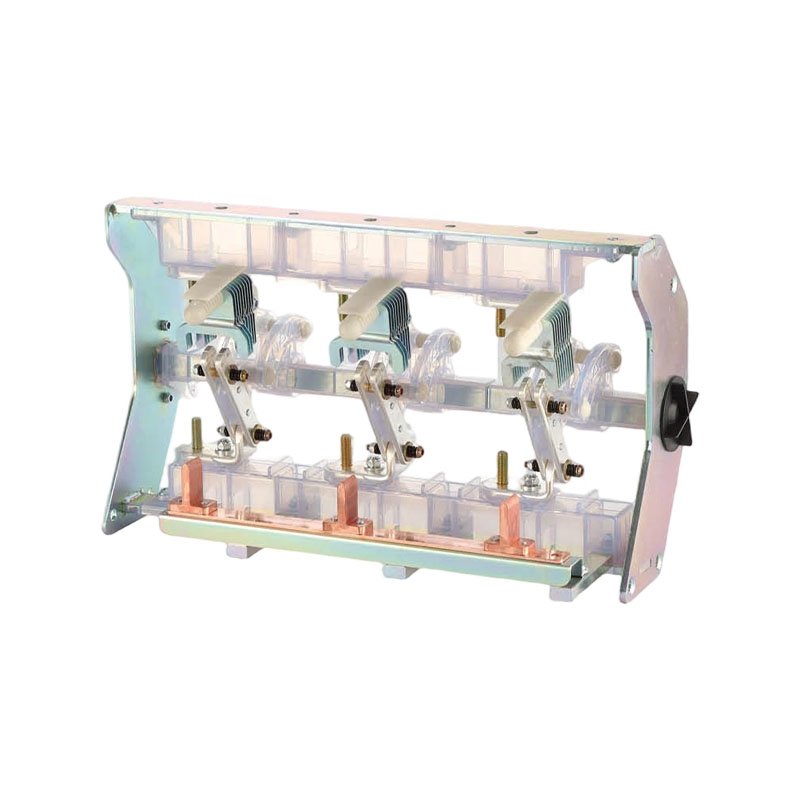
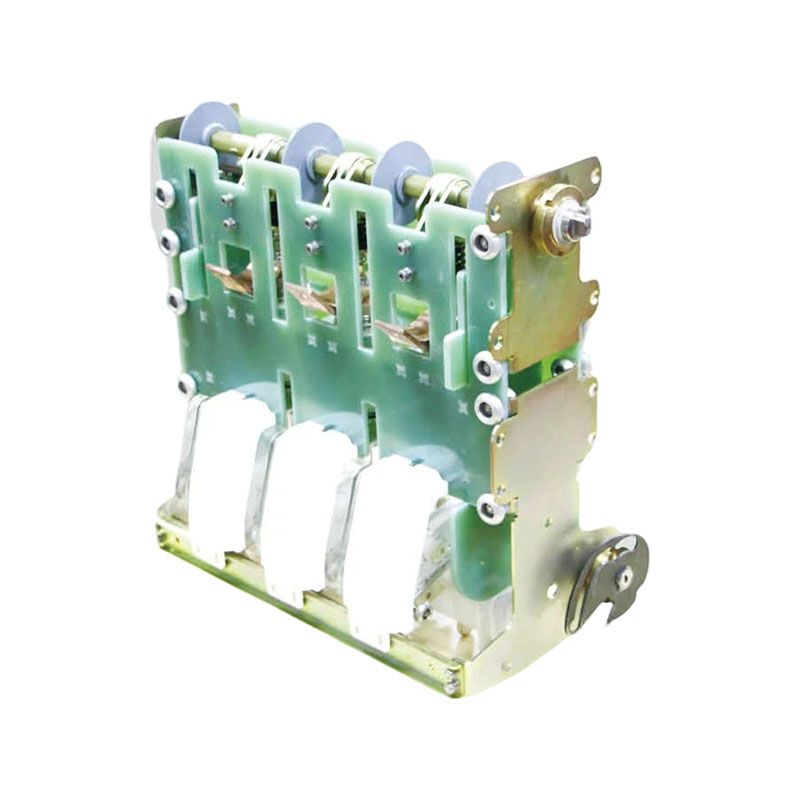
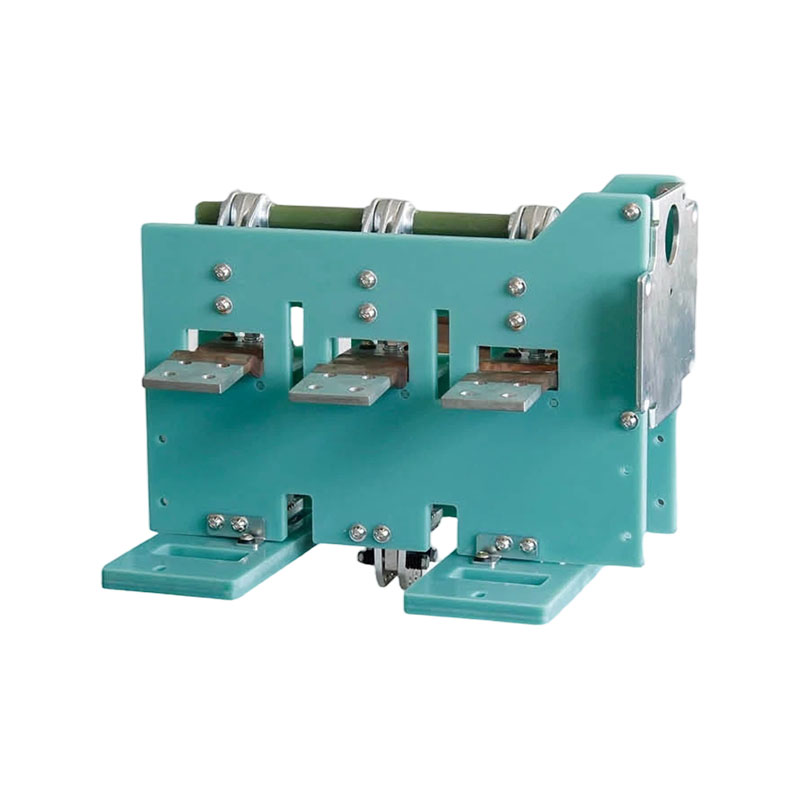
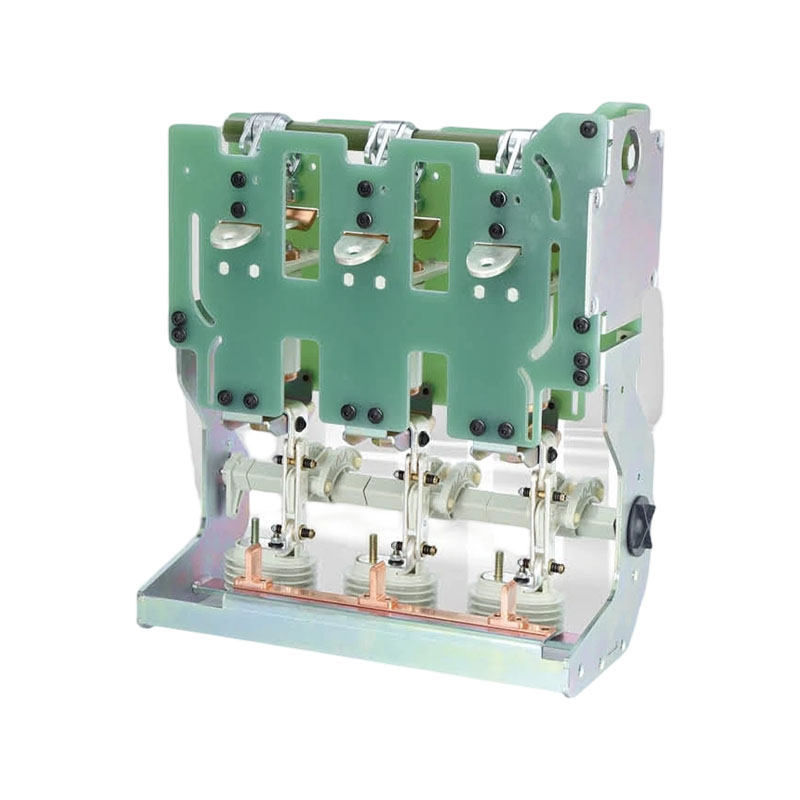
Wenzhou Xubian Electric Co., Ltd. works as an 11kV High Voltage Load Break Switch Manufacturer from Liushi Town, Yueqing, Zhejiang, China, producing indoor and outdoor load break switches rated 12kV for 11kV distribution networks. The series covers vacuum, gas-insulated and fuse-combination designs used as feeder switches, ring main unit circuits and transformer incoming or outgoing protection.
Because our workshop also builds complete switchgear, ring main units and box-type substations, load switches are configured as part of a wider distribution scope rather than as loose components. Manual or electric spring operation, earthing switches, fuse protection and remote-control interfaces are selected against the grid parameters and the panel the switch will sit in.
Six families make up the range, split by installation position, interrupting medium and whether short-circuit protection is handled by a current-limiting fuse. Each family is built, wired and routine-tested in our own workshop before packing.
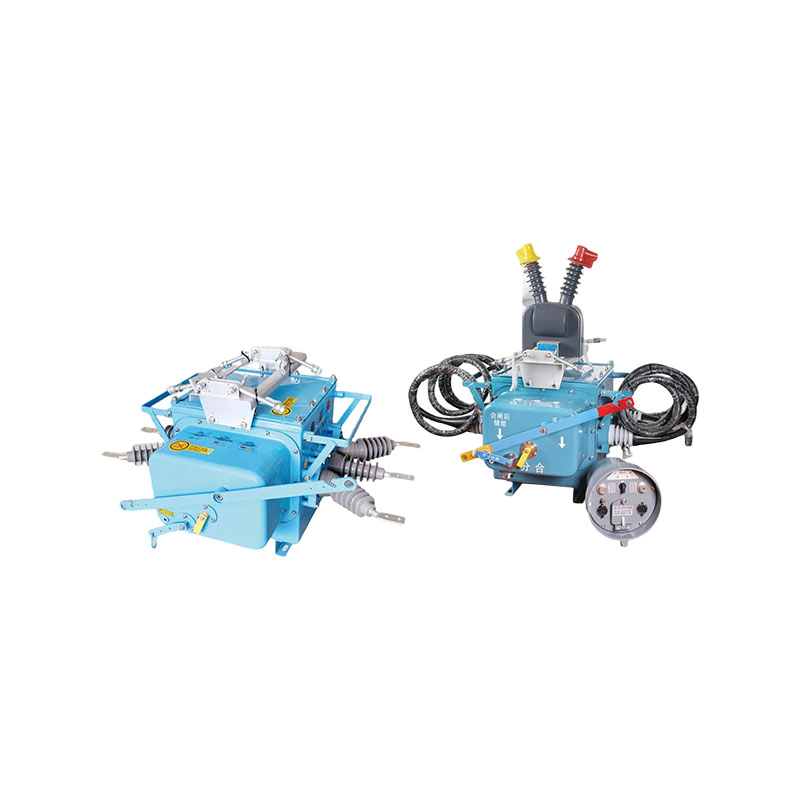
Pole-mounted vacuum load switch, 630A, oil-free and maintenance-free, used on overhead branch lines. Matched with FDR fault detectors and RTU terminals it isolates faulted sections automatically. FZW28-12F technical data.
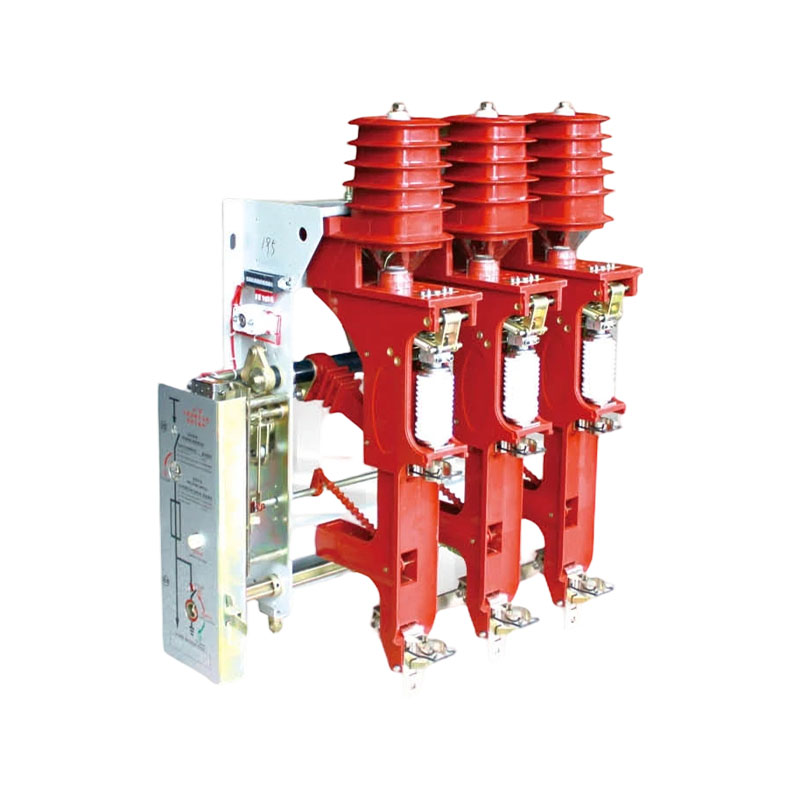
630A load switch and 200A fuse-combination unit with earthing switch rated to make and break short-circuit current, for ring main units, dual-circuit supplies and box-type substations. FZN25-12 specifications.
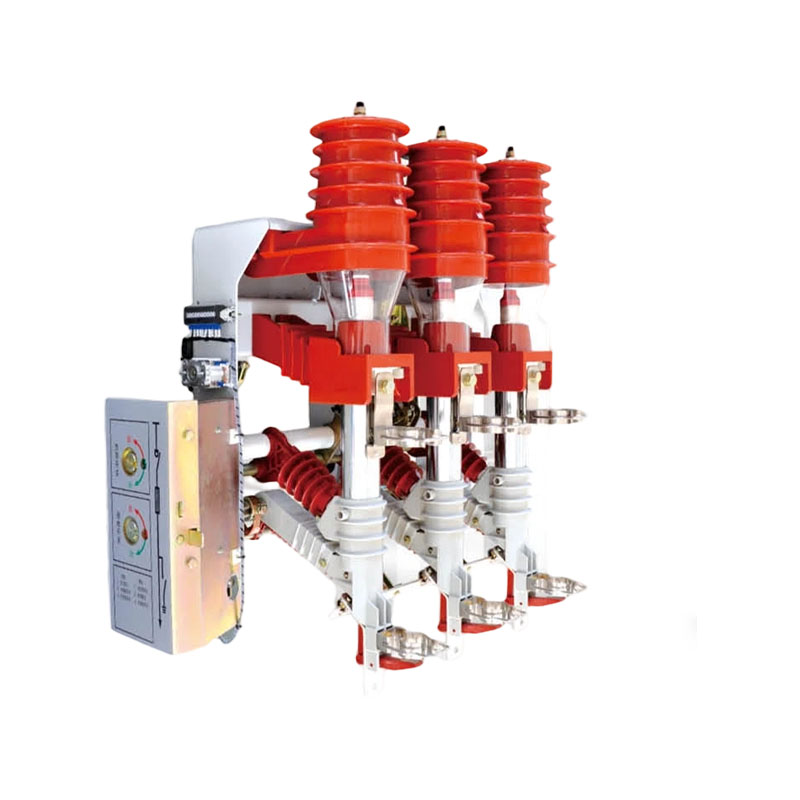
Compact sealed-gas load switch for terminal substations, cable and overhead line control, and 1200A transfer current in the fuse-combination version.
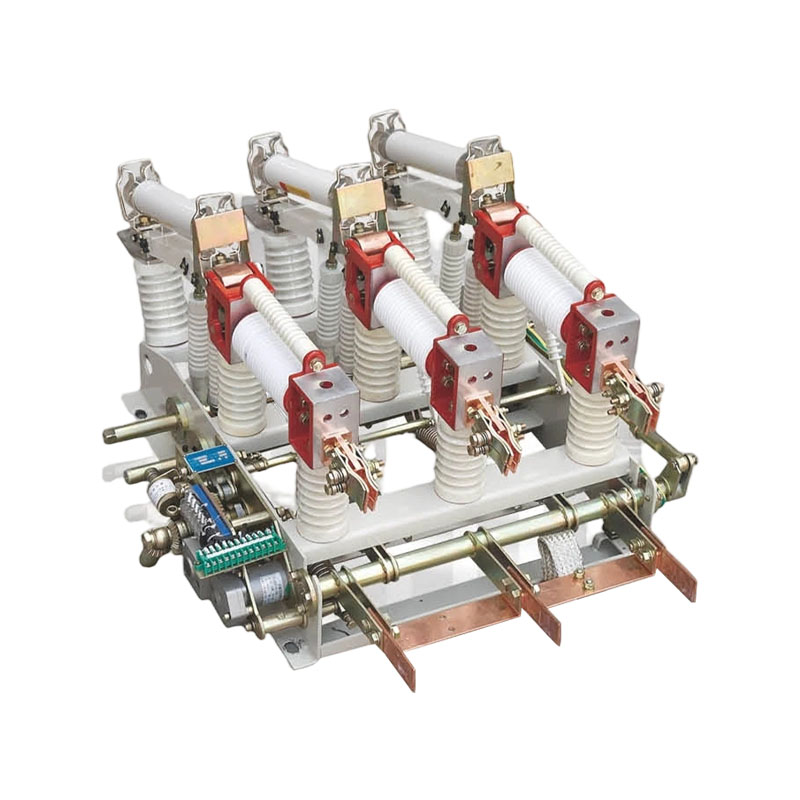
Load switch and load switch–fuse combination appliance for transformer protection in industrial and mining distribution stations, closed-loop and cable charging duty.
Sealed sulphur hexafluoride load switch for space-restricted indoor panels where a compact, sealed insulation path is preferred.
Vacuum load switch for 40.5kV indoor distribution where the project voltage class sits above the 12kV range.
These switches are specified as feeder switches, ring main unit circuits, and transformer incoming or outgoing protection in 11kV distribution. They make and break load current, closed-loop current, cable charging current and no-load transformer current, and the fuse-combination versions add limited short-circuit protection ahead of a transformer. Outdoor boundary units extend the same duty to overhead lines, including locations that require frequent operation.
| Parameter | Values we publish per model | Why it matters in selection |
|---|---|---|
| Rated voltage / frequency | 12kV, 50Hz (40.5kV class for FZN21-40.5) | 12kV rating is the insulation level applied to 11kV networks |
| Rated current | 630A load switch; 200A or 125A fuse-combination | Sets the feeder or transformer rating the circuit can carry |
| Short-time withstand | 16–20kA for 2–4s | Must exceed the prospective fault level at the installation point |
| Peak / making current | 40–50kA peak; up to 80kA expected making on fuse-combination units | Defines closing duty under fault and fuse transfer behaviour |
| Power-frequency withstand | 42kV phase-to-earth and across phases; 48kV across open contacts | Confirmed during routine factory voltage-withstand testing |
| Lightning impulse withstand | 75kV to earth and across phases; 85kV across open contacts | Relevant to overhead lines and exposed outdoor positions |
| Mechanical life | Up to 10,000 operations on vacuum models; 2,000 on FKN12 units | Drives maintenance planning for frequently operated points |
| Earthing switch | 20kA / 2s where fitted | Supports safe isolation for cable and transformer work |
Published values can be checked against the 12kV class requirements of the network standard your project follows before the configuration is frozen.
Configuration starts from the working point: system voltage, continuous current, prospective fault level and whether the switch protects a transformer or a feeder section. From there we set the mechanism, the earthing arrangement and the fuse rating.
Electric-operation versions support the three-remote requirements of distribution systems: remote control, remote signalling and remote measurement. On overhead networks the FZW28-12F boundary switch, combined with FDR fault detectors and RTU terminals, forms a compact automation scheme that locates faults and isolates the affected section while healthy branches are restored after reclosing.
The boundary unit's protection set covers instantaneous and overcurrent protection, three-shot reclosing, inrush current suppression, zero-sequence protection, event recording and local or remote setting changes. Where our switch is built into a complete panel, we coordinate the mechanism wiring and control interface with our own 12kV Medium Voltage Complete Switchgear Equipment so that protection, interlocks and indications match the station design.
Load switches are assembled in our Yueqing workshop alongside switchgear and substation equipment, with in-house sheet-metal processing, assembly, wiring and factory test facilities under one roof. Inspection is staged rather than end-of-line only.
Outdoor boundary switches are rated for ambient temperatures from −40°C to +40°C, altitudes up to 3000m, pollution class IV, wind speeds up to 34m/s and vibration that can be ignored; indoor gas-insulated units cover −25°C to +40°C with daily average humidity up to 95%. Where a site exceeds the published envelope, the insulation level and enclosure design are reviewed before quoting.
Vacuum interrupters and sealed gas compartments remove oil handling and routine arc-quenching maintenance from the operating routine. Products carry a 12-month warranty covering repair, replacement and return, and spare parts including fuses, mechanisms and auxiliary components remain available at favourable prices after the warranty period, with installation guidance and online technical support for site teams.
A quotation becomes accurate once the electrical and site data are fixed. We work from the following inputs and return a technical proposal with a structural drawing, bill of components and calculated cost and lead time.
We operate as an OEM load break switch supplier and ODM partner for distributors and panel builders, so branding, nameplate data, drawings and packing lists are prepared around the agreed technical file rather than a fixed catalogue sheet.
Yes. Our load switch families are rated 12kV for 11kV distribution systems, with published insulation levels of 42kV power-frequency and 75kV lightning impulse to earth so the values can be matched to the network standard in your project. Indoor and outdoor versions share the same rating basis.
Vacuum models such as the FZN25-12 and FZN21-12D give high mechanical life for indoor ring main and transformer circuits, and the FZW28-12F brings the same oil-free vacuum duty outdoors. The FKN12-12 gas-insulated switch suits compact terminal substations, while the FLN36-12 SF6 unit fits sealed, space-restricted indoor panels.
When the circuit protects a distribution transformer. The load switch handles load, closed-loop, cable charging and no-load transformer current, while the current-limiting fuse clears transformer short-circuit current and its striker trips the switch. Transfer current is 200A on the FZN25-12DR and up to 1200A on the FKN12-12D version.
Motor-driven spring mechanisms support remote control, signalling and measurement with a 110V or 220V DC control supply. The FZW28-12F boundary switch adds fault detection, reclosing, event recording and fault reporting functions when paired with FDR detectors and RTU terminals, so faulted overhead sections are isolated automatically.
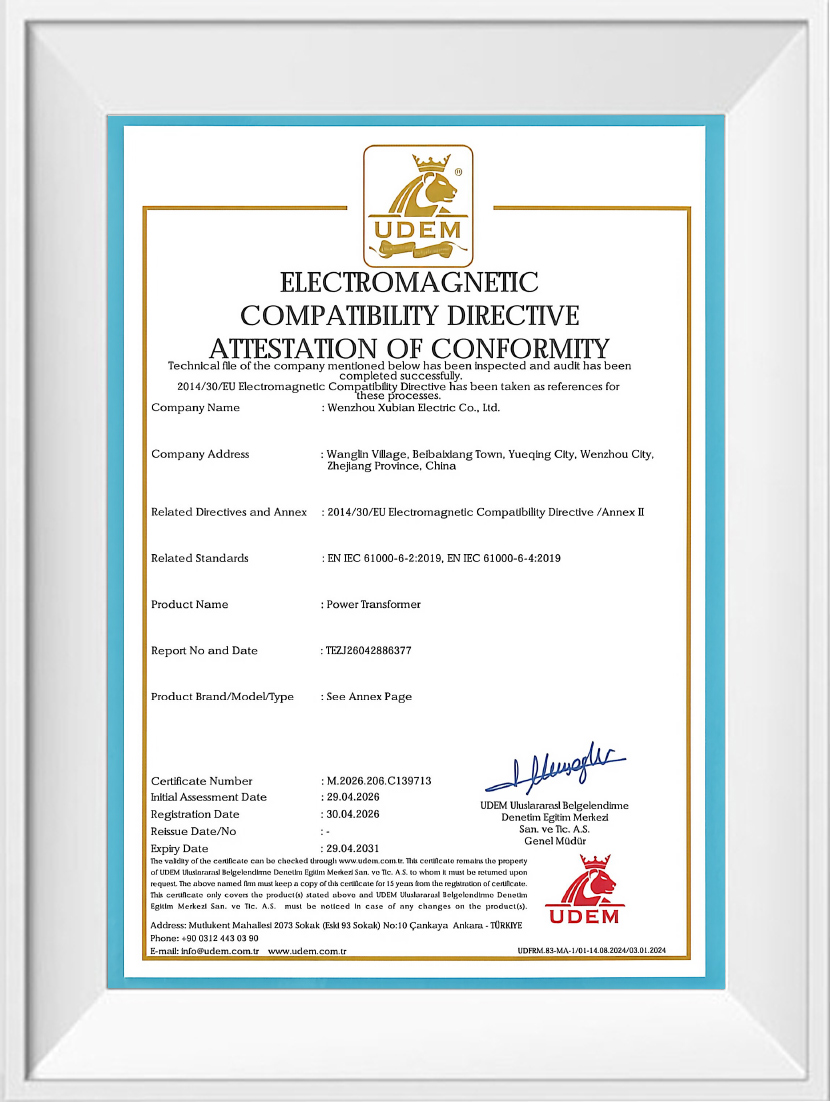
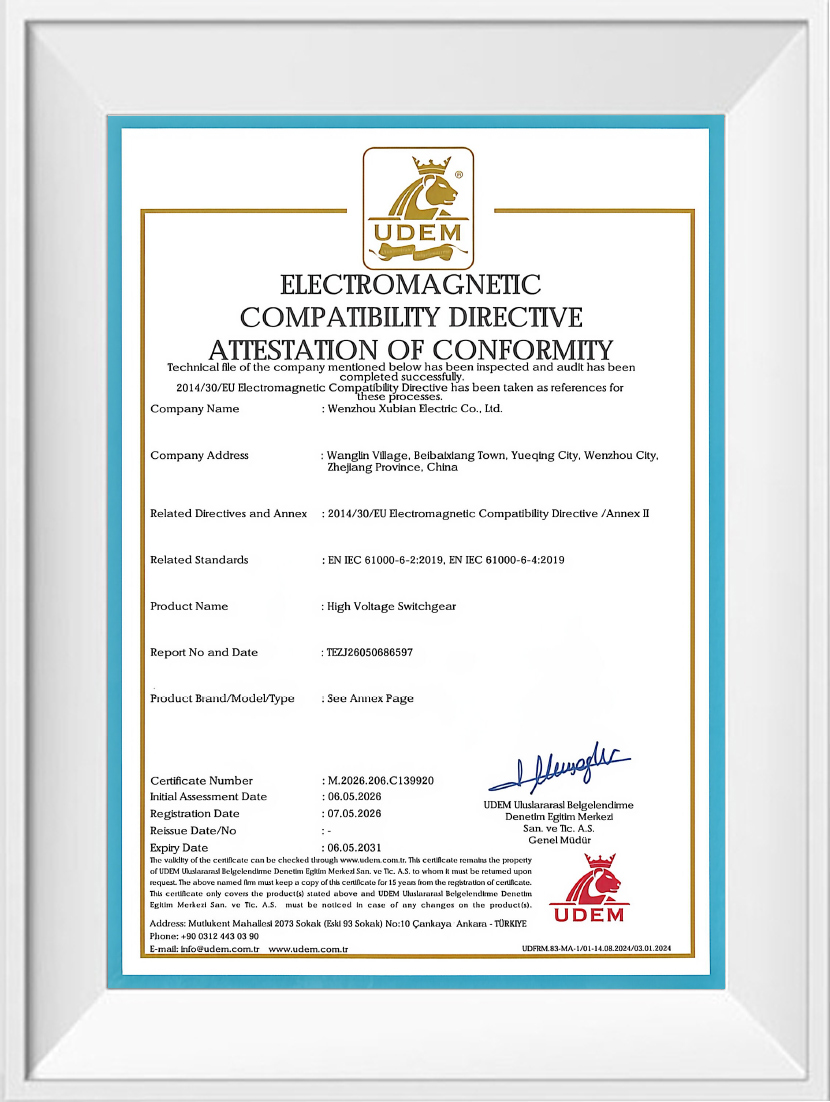
Each shipment is released with factory test reports covering insulation resistance, power-frequency withstand, temperature rise and functional operation, along with drawings, specifications, operation manuals and export documents. Where destination-market certification is required, we assess feasibility at inquiry stage from the target market information you provide.
Standard models are typically ready in 7–15 working days. OEM and ODM configurations, including private-label builds, follow drawing and specification confirmation, with the exact delivery schedule stated in the formal quotation for the agreed configuration.

 392635183@qq.com
 +86-0577-62657873
 +86-13858819036
 No.300 Kaixing Road, Xindong Village, Liushi Town, Yueqing City, Wenzhou City, Zhejiang Province, P.R.China
