


 en
 English
 русский
 Español
 عربى
 Français
 Português
10+
Years Experience

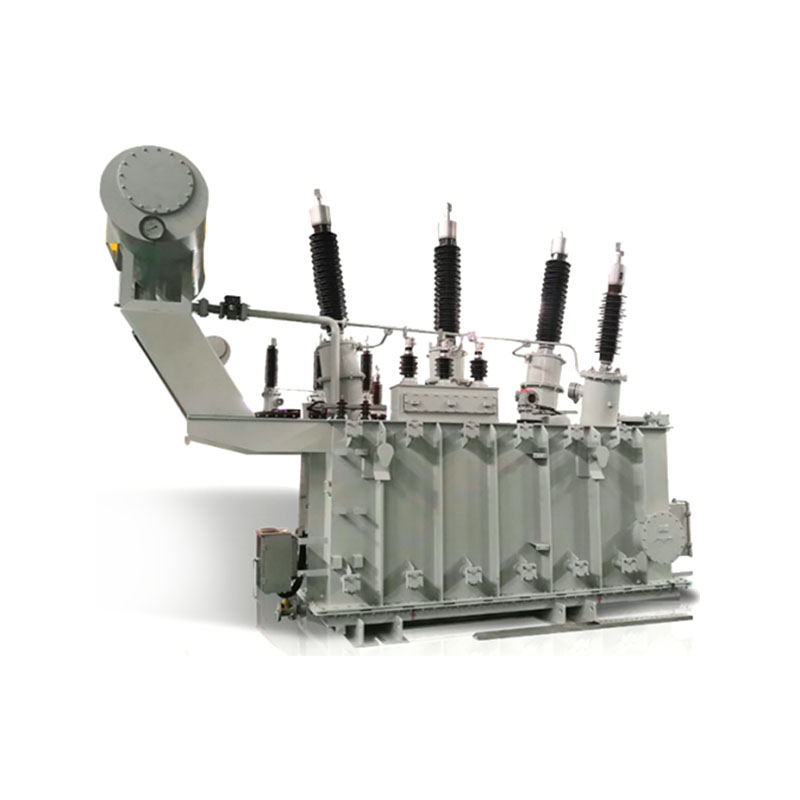
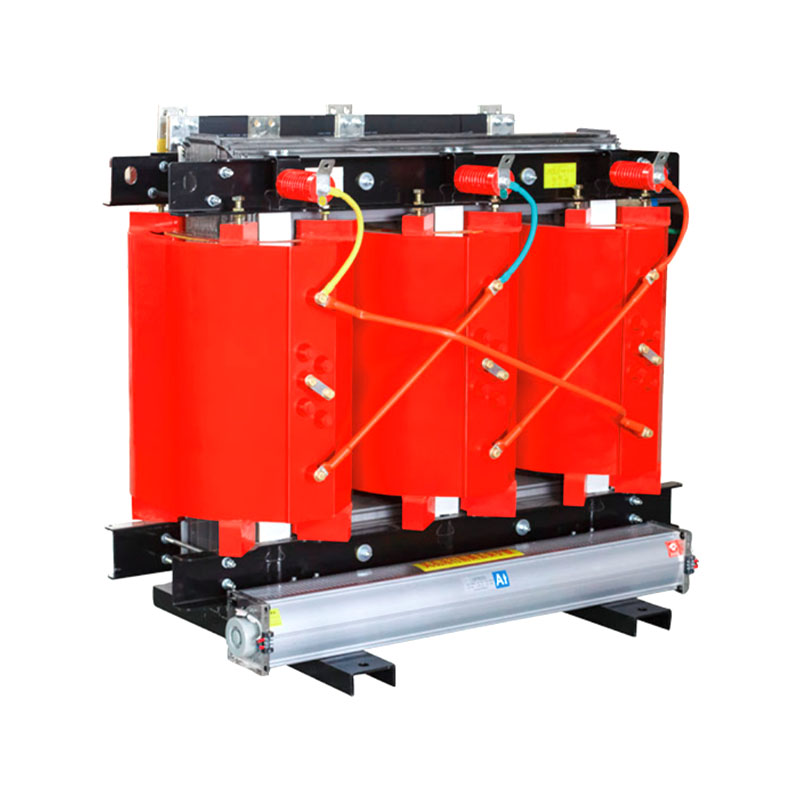
Our transformer series is applied in grid transmission & distribution, industrial/mining power supply, and renewable energy power stations, covering fully sealed oil-immersed distribution transformers, single-phase pole-mounted transformers, S22 series medium/high voltage distribution and power transformers, 220kV three-phase on-load voltage regulating transformers, and dry-type epoxy cast transformers, with voltage ratings from 10kV up to 220kV.
Made with high-quality silicon steel sheets and oxygen-free copper wire windings, the transformers offer high efficiency, low loss, and maintenance-free operation, with some models certified as national high-tech products. Customization is available based on the customer's regional voltage standards, capacity requirements, and installation environment (indoor/outdoor, oil-immersed/dry-type), along with comprehensive transportation, installation guidance, and after-sales service.

Wenzhou Xubian Electric Co., Ltd. is a technology-driven China Distribution Transformer Manufacturer and Custom Oil Immersed Transformer Supplier, specializing in the production, sales and after-sales maintenance of high- and low-voltage complete switchgear systems.
We have a dynamic and innovative team for R&D, design, management and marketing, backed by solid R&D and production competence.
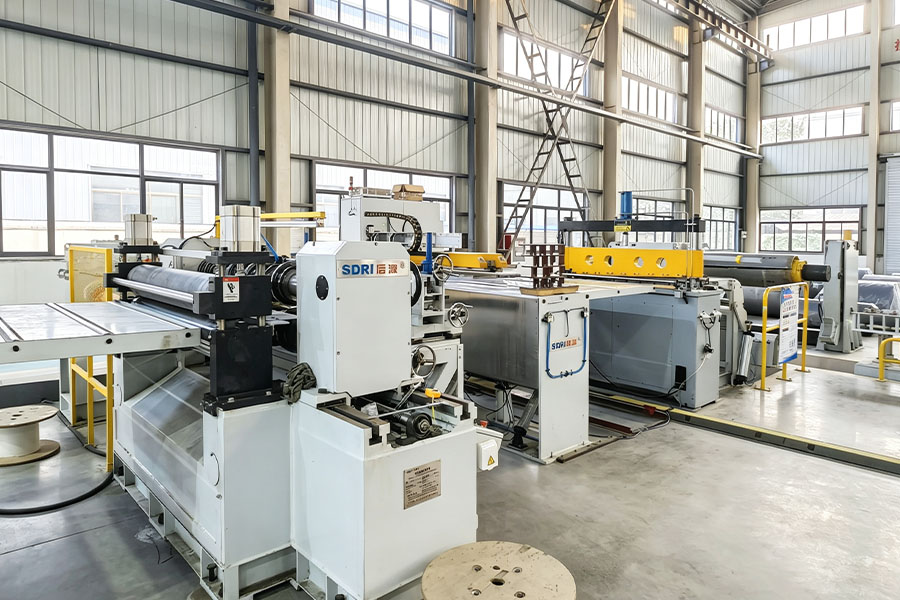
Following our quality policy: “Survival through Quality, Development through Innovation, Continuous Improvement, Customer Satisfaction”, we enforce strict control over all production stages to ensure 100% qualified finished goods. Our workshop is well‑equipped with full‑range processing facilities, testing apparatus and advanced inspection solutions.
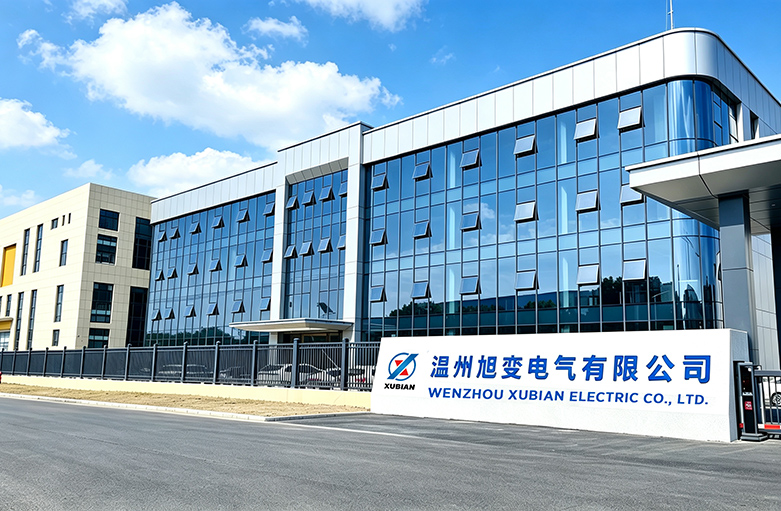
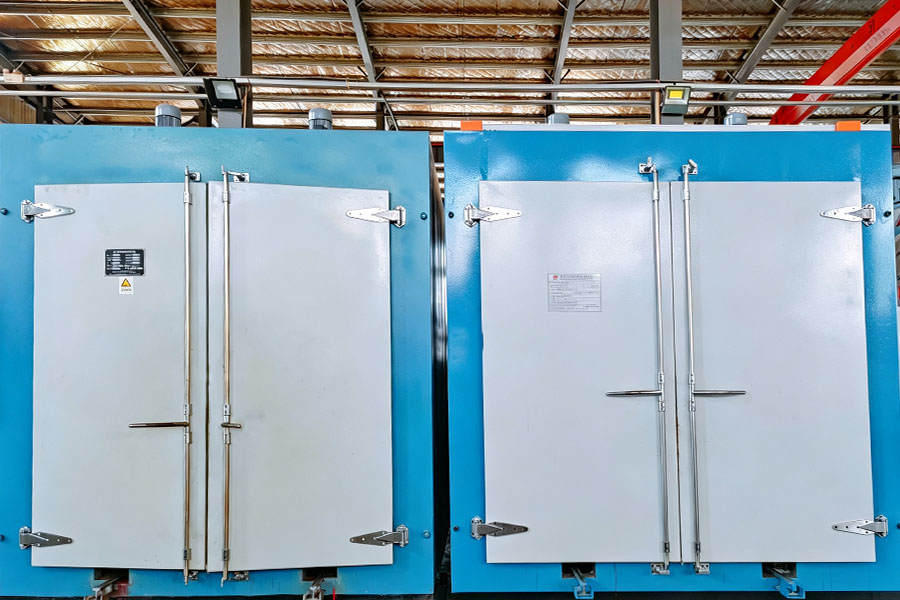
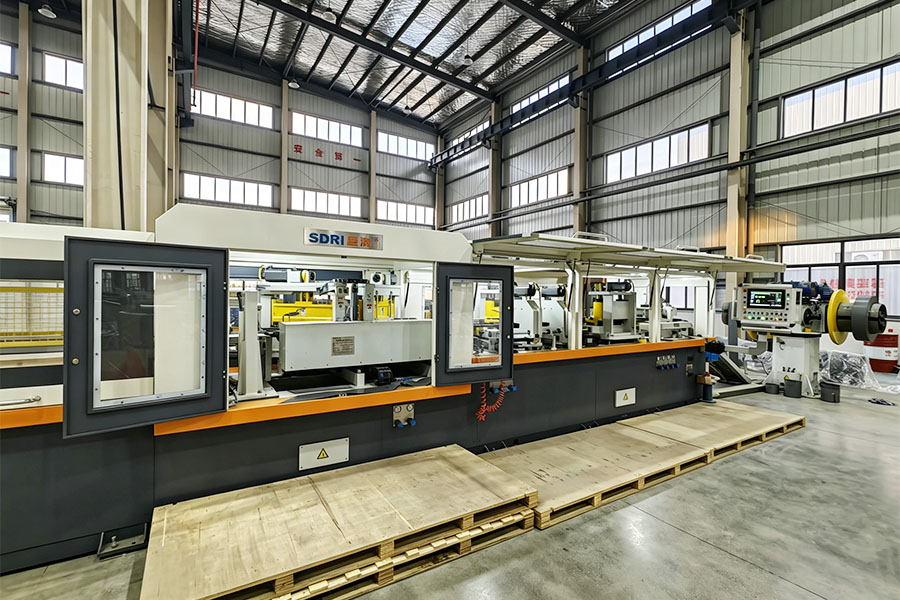
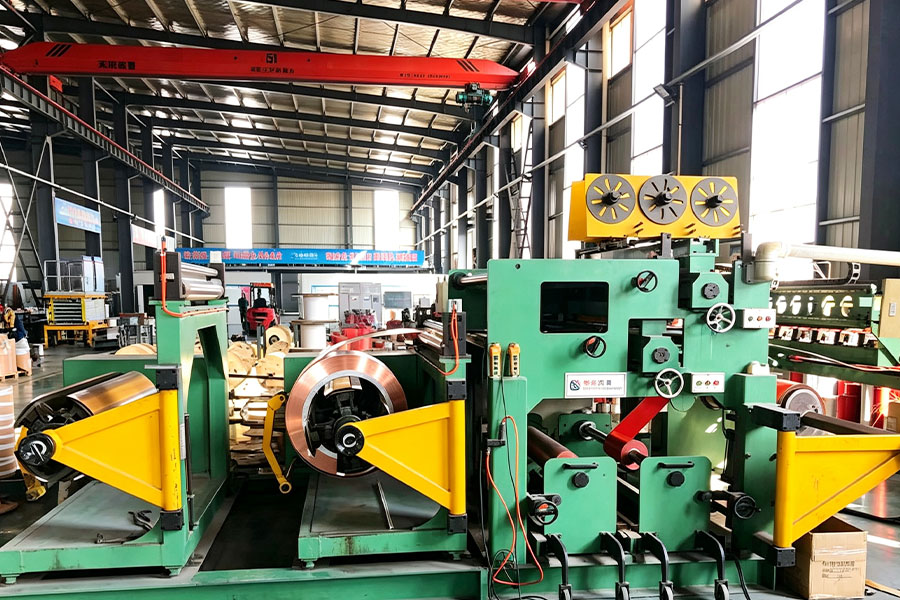
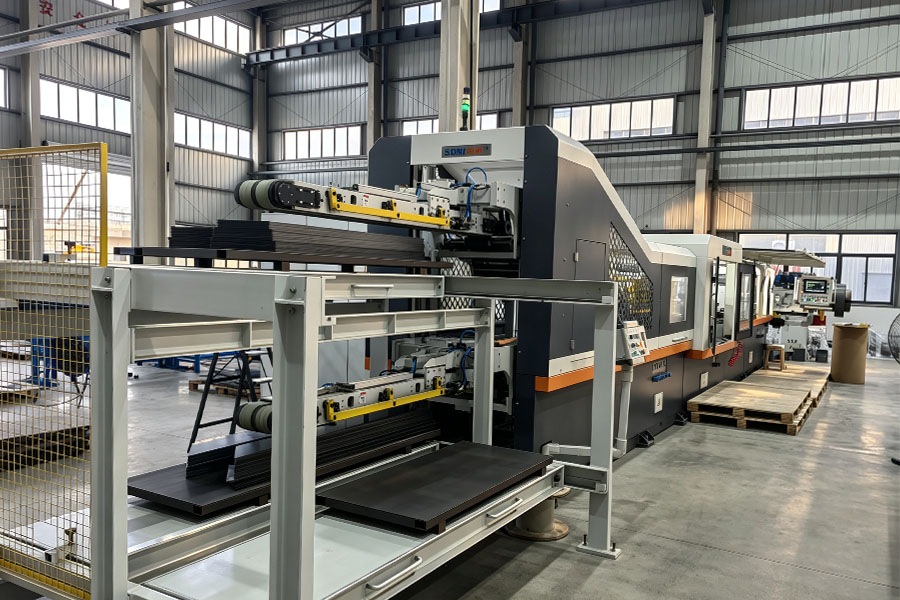
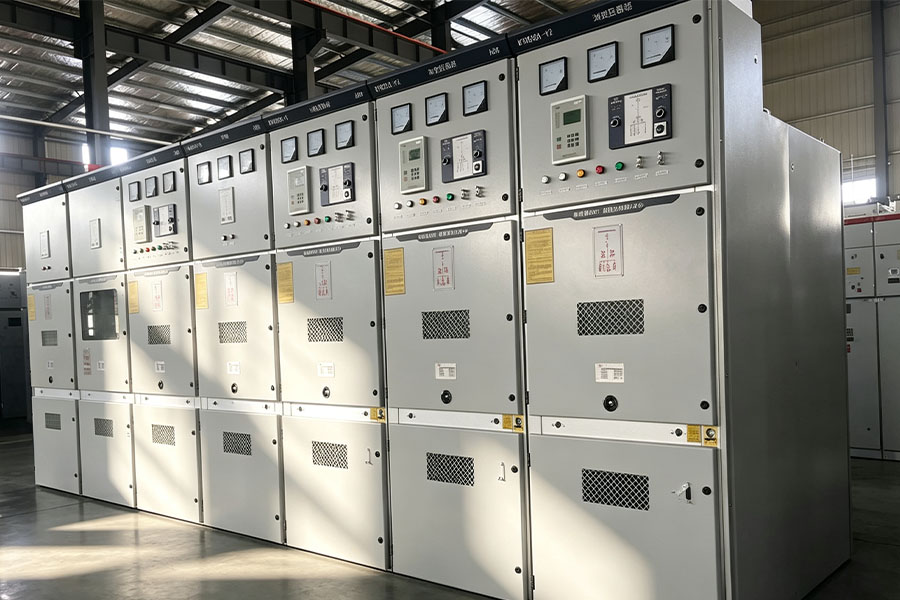
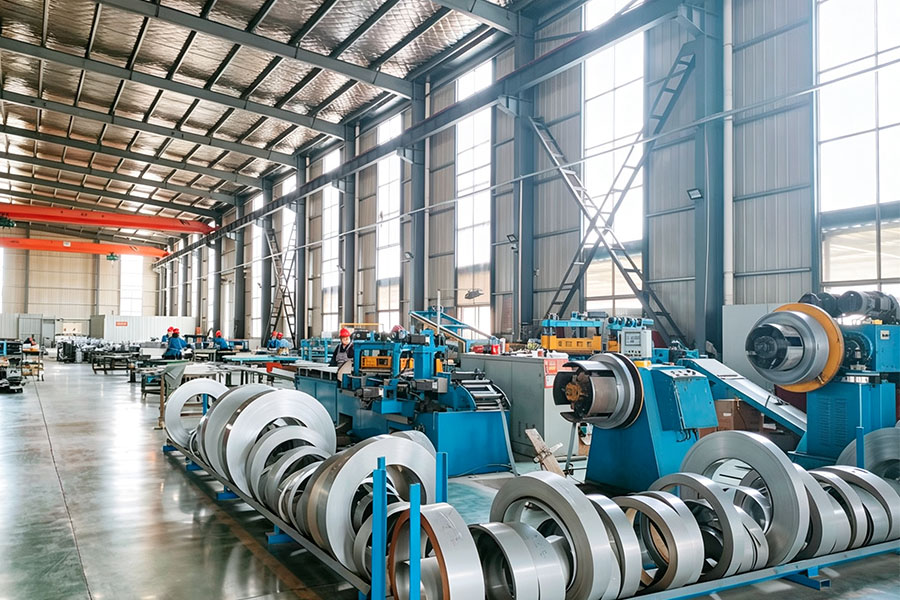
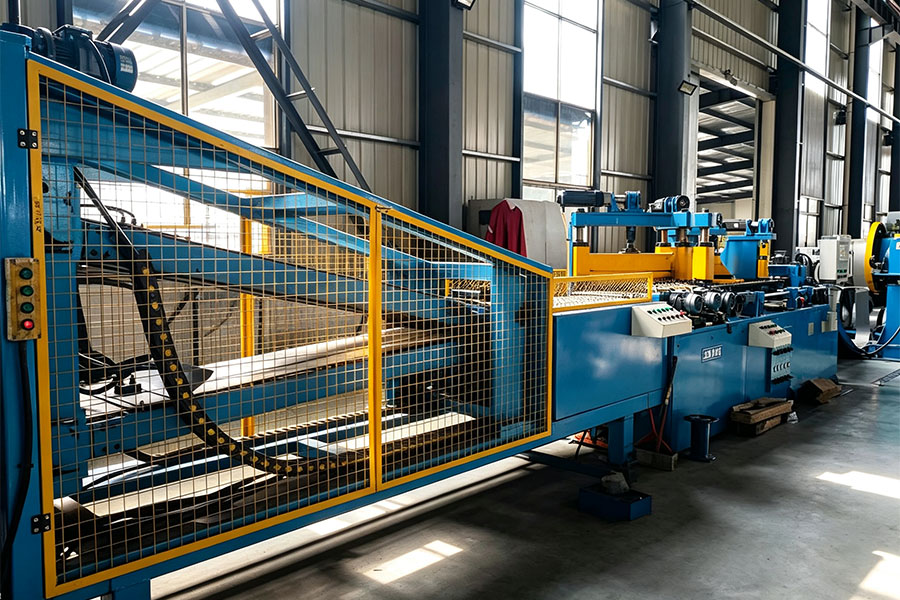
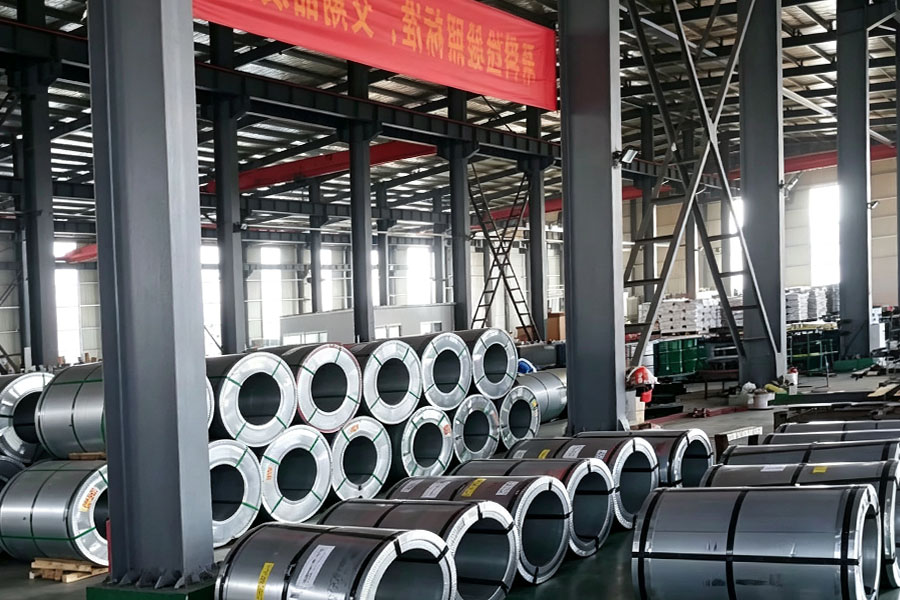
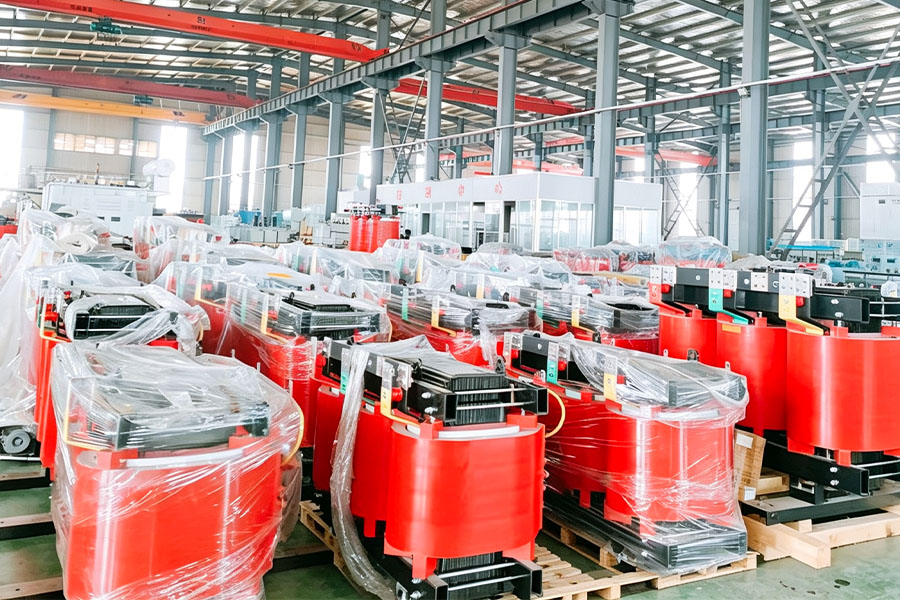
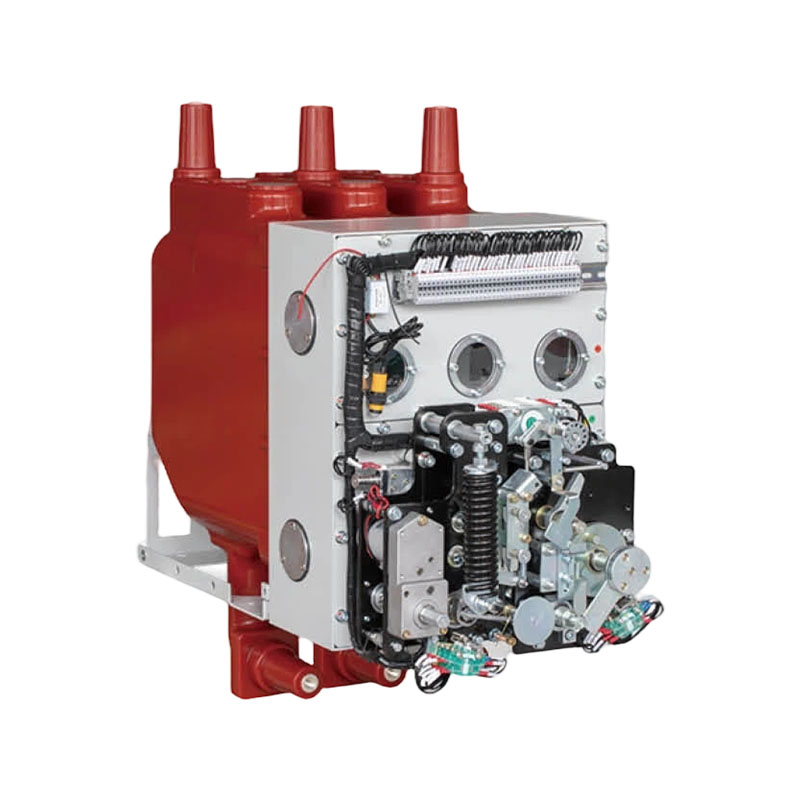
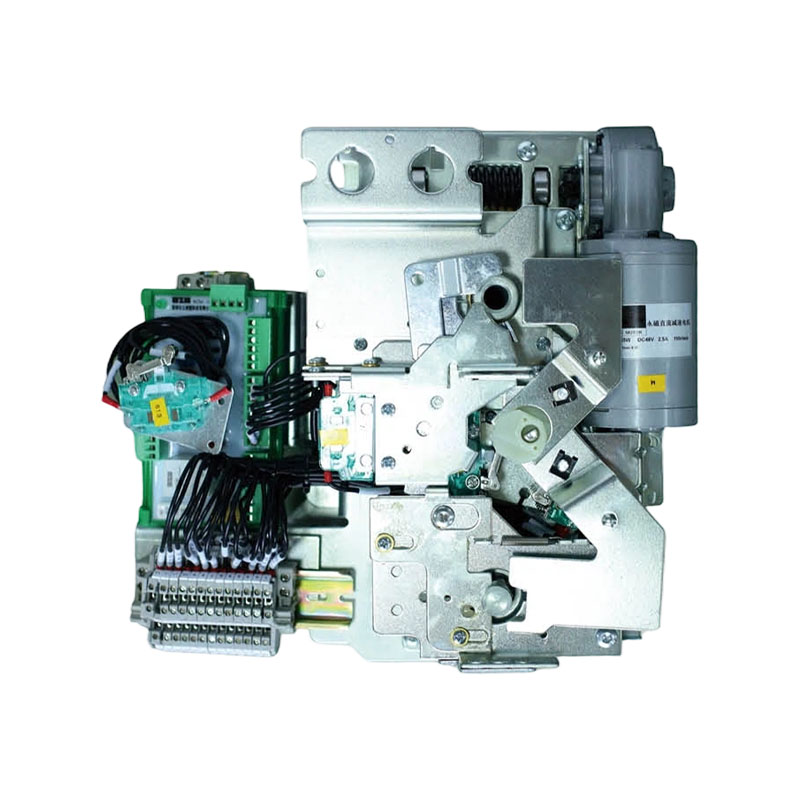
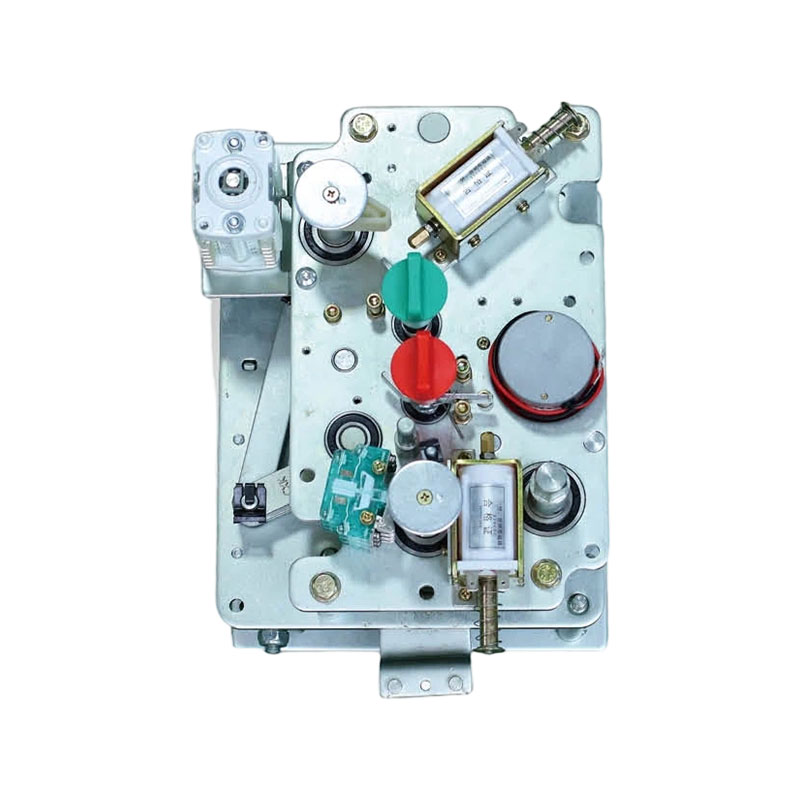
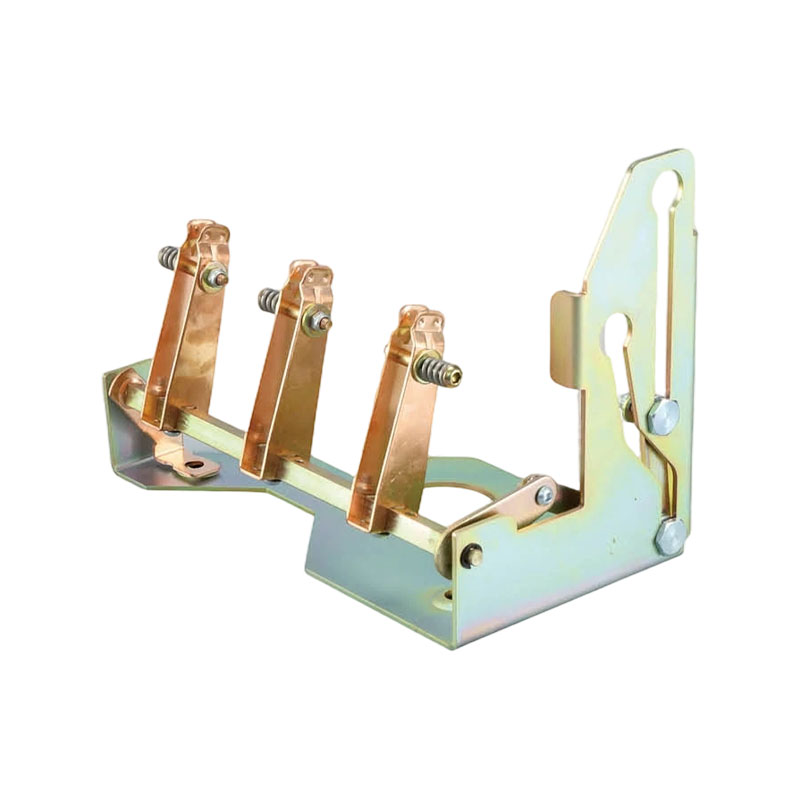
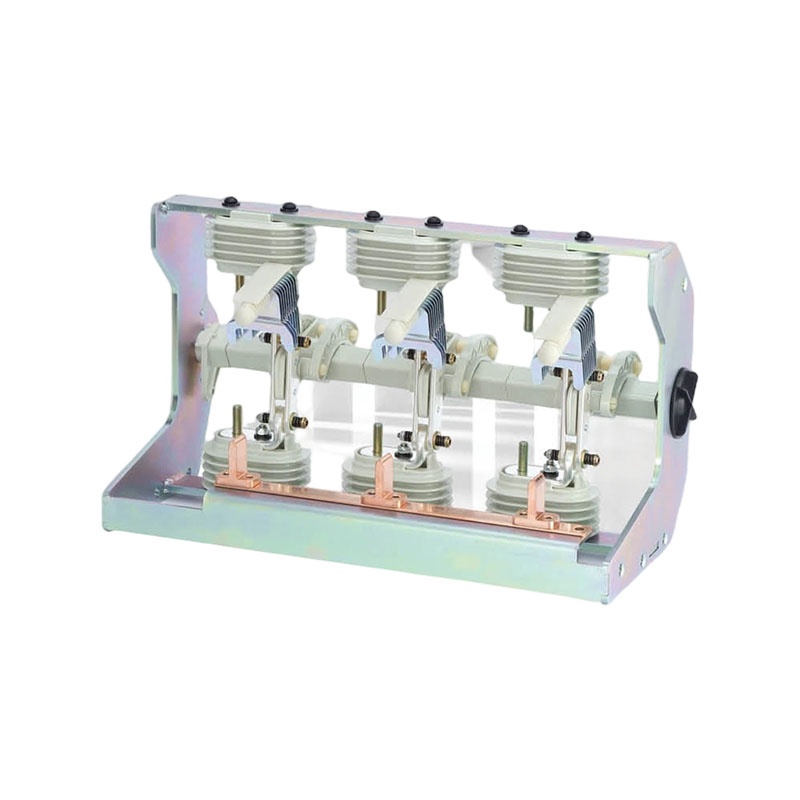
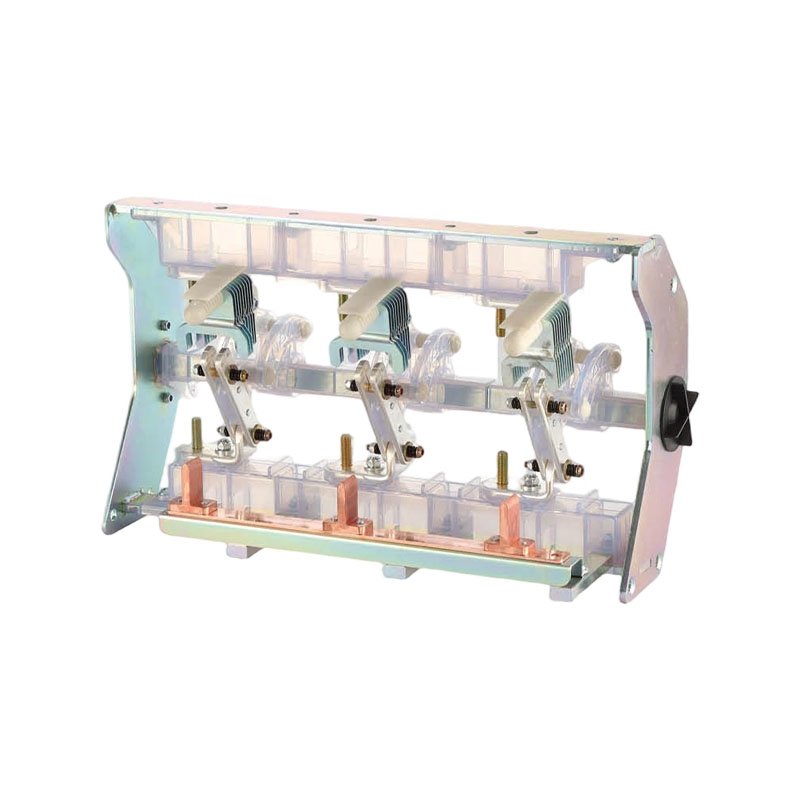
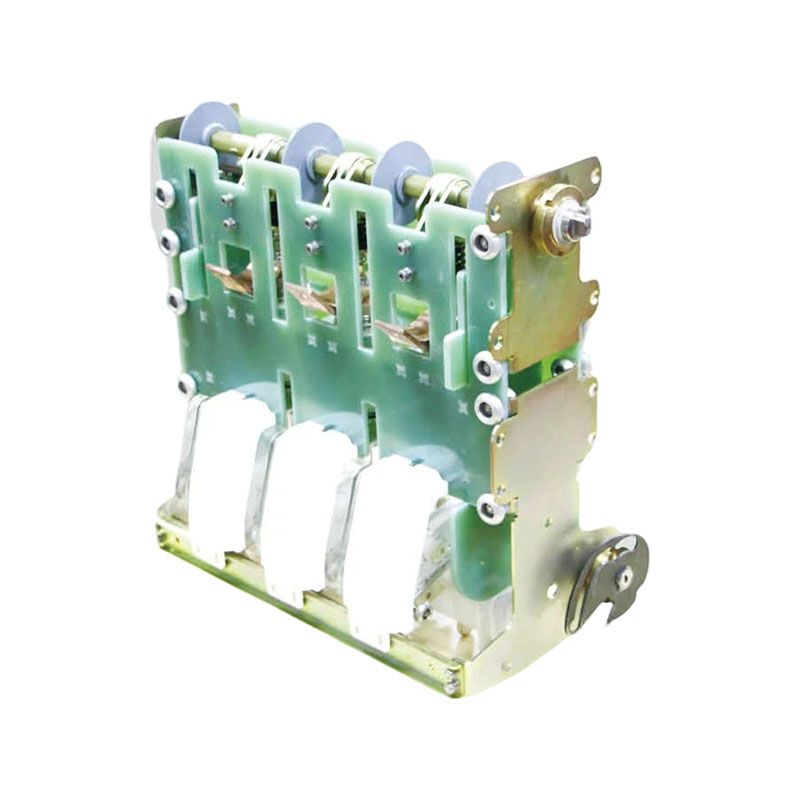
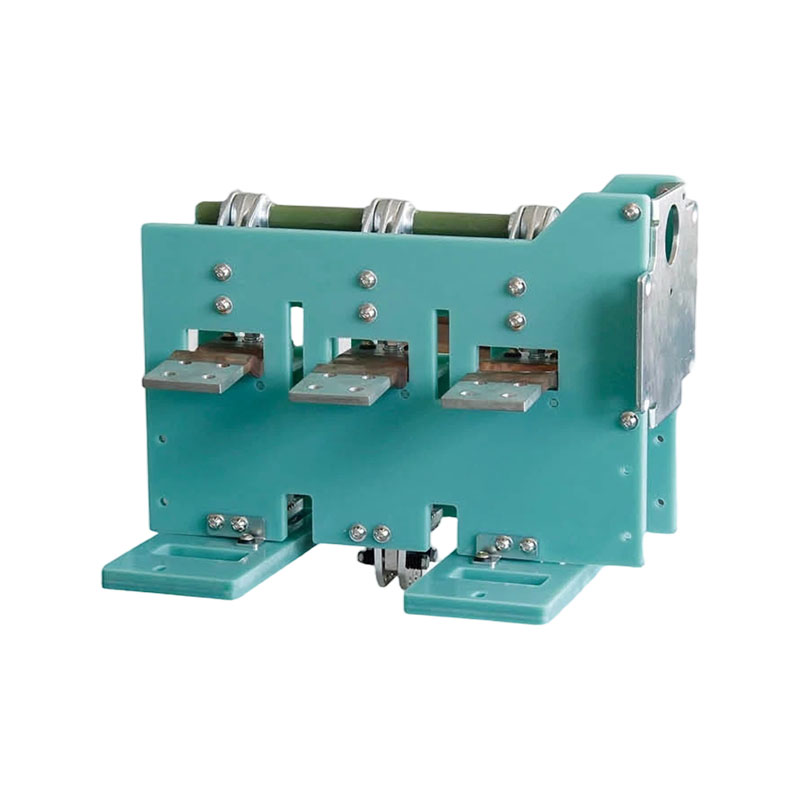
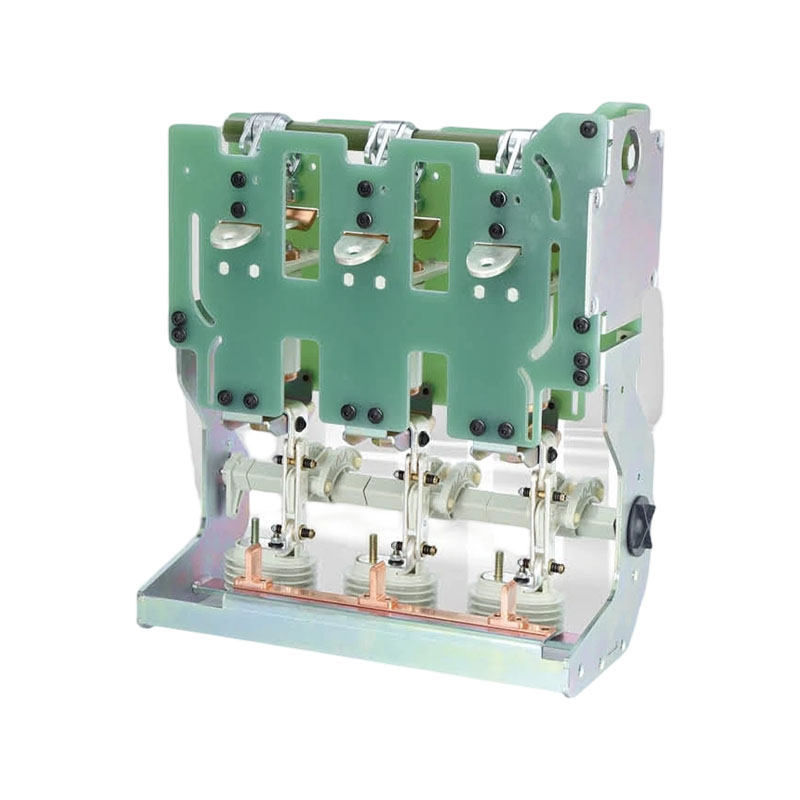
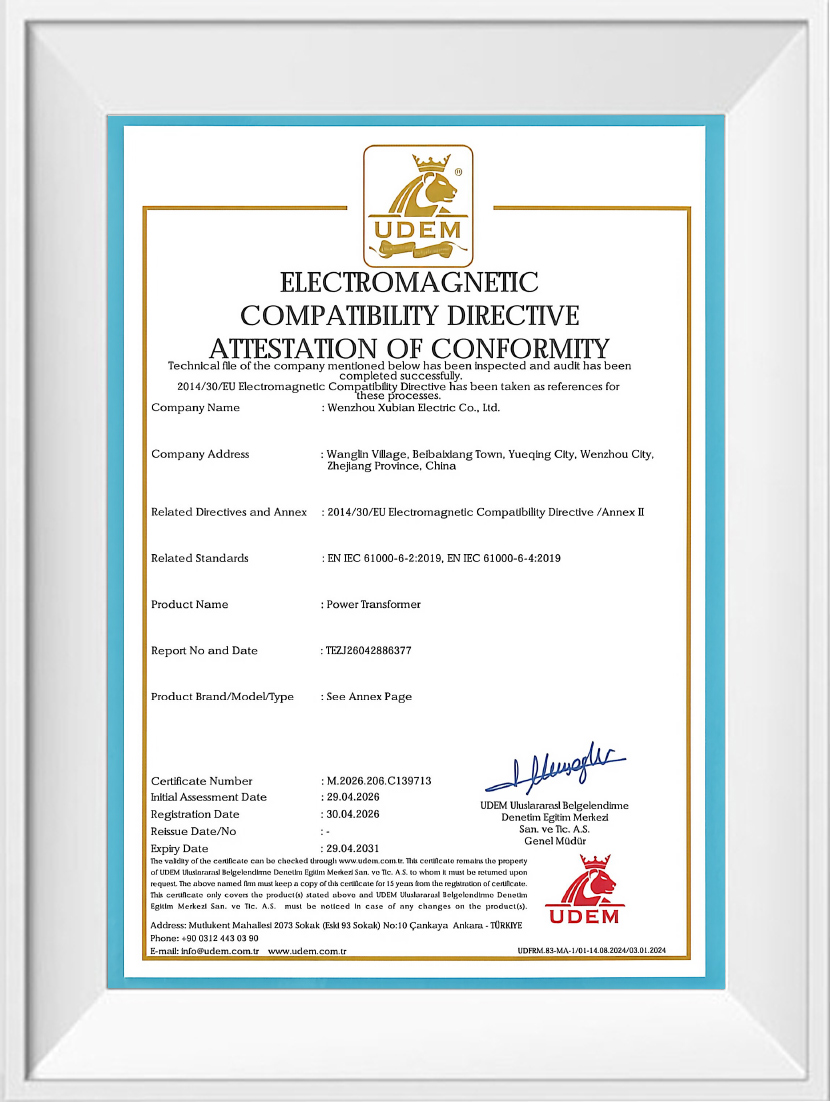
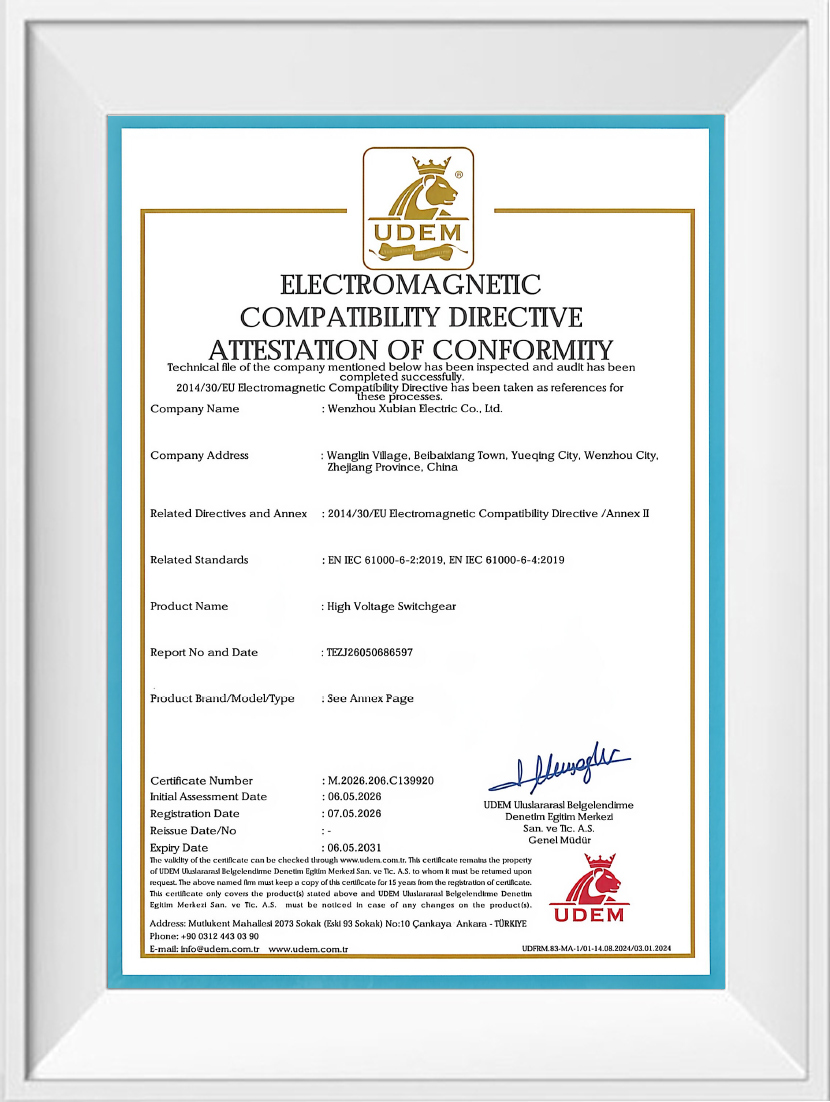
Wenzhou Xubian Electric Co., Ltd. manufactures the transformer series at our works in Liushi Town, Yueqing City, Zhejiang Province, China. The range covers fully sealed oil-immersed distribution transformers, single-phase pole-mounted units, S22 11kV/15kV and 33kV class transformers, a 220kV three-phase on-load voltage regulating transformer and 10kV dry-type epoxy cast transformers. As a Distribution Transformer Manufacturer, we build for grid transmission and distribution projects, industrial and mining power supply, and renewable energy stations.
Range at a glance: 10 kV to 220 kV · oil-immersed and dry-type · sealed-tank and cast-resin construction · OEM and ODM builds to regional grid standards
Each family in the series answers a specific duty in the distribution chain, from pole-top supply in decentralised networks to substation-level voltage regulation. The construction, termination and protection options are fixed per project rather than per catalogue page.
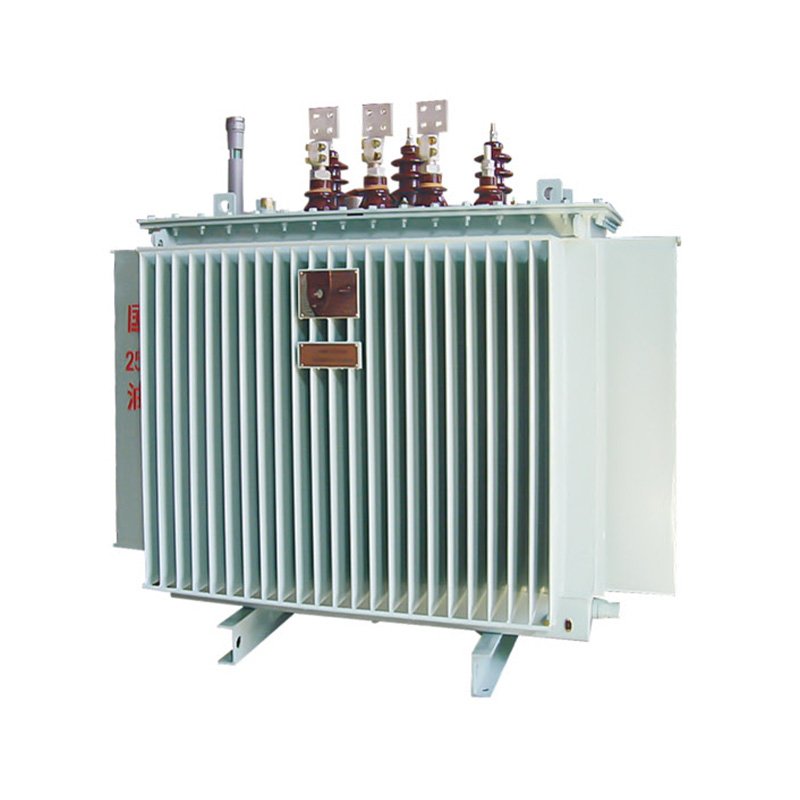
The S11-10kV fully sealed oil-immersed distribution transformer and the S22 11kV/15kV class units use a sealed tank without an oil conservator, cold-rolled silicon steel cores and oxygen-free copper high-voltage windings in a multi-layer cylindrical structure.
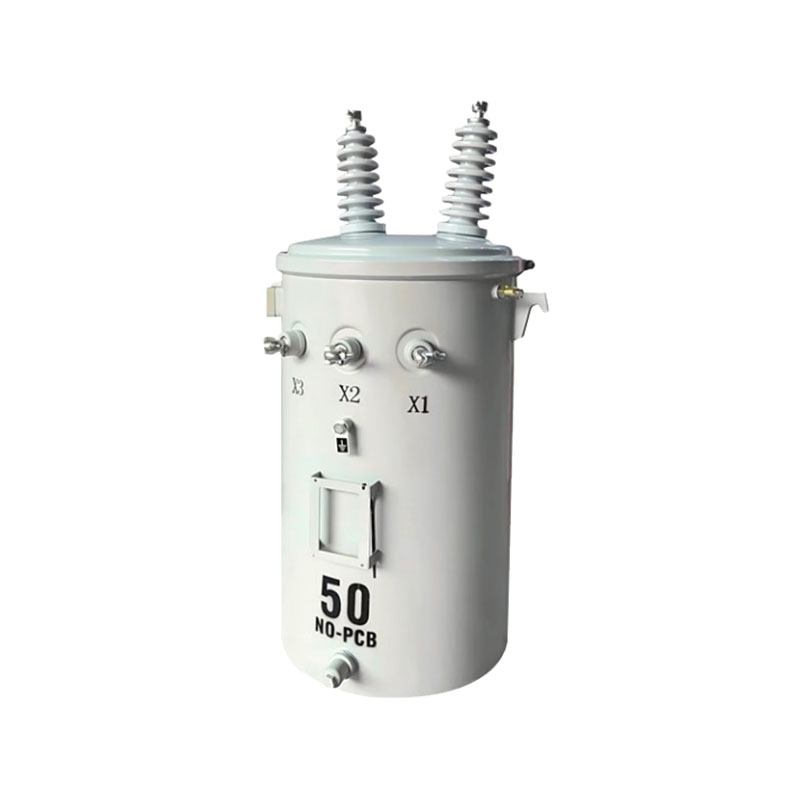
10kV single-phase transformers for decentralised overhead networks serving towns, rural residential loads and light diversified supply. Conventional or complete self-protect types, with C.R.G.O. wound core or amorphous metal core.
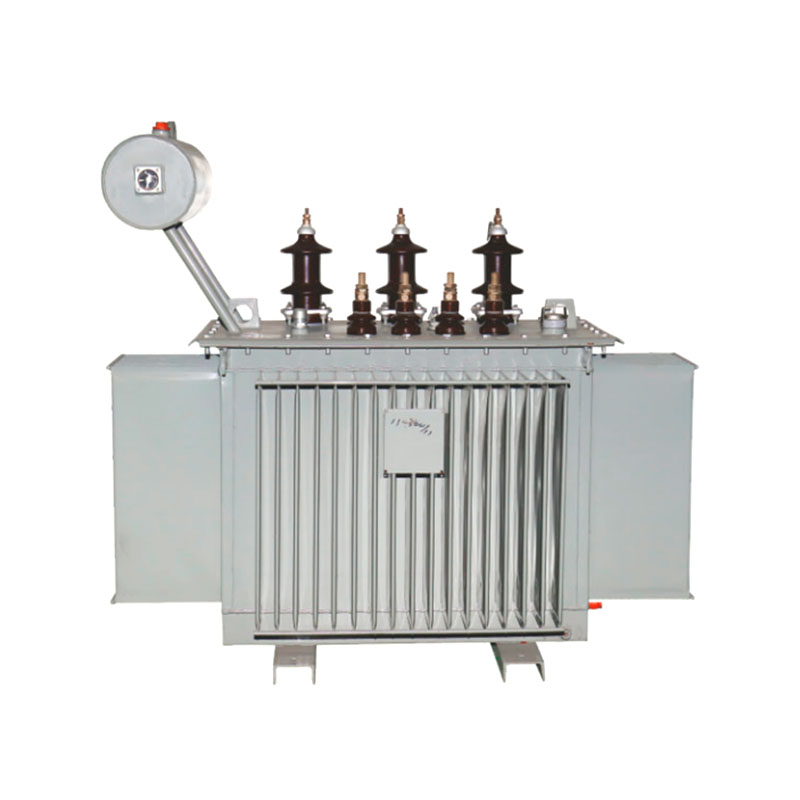
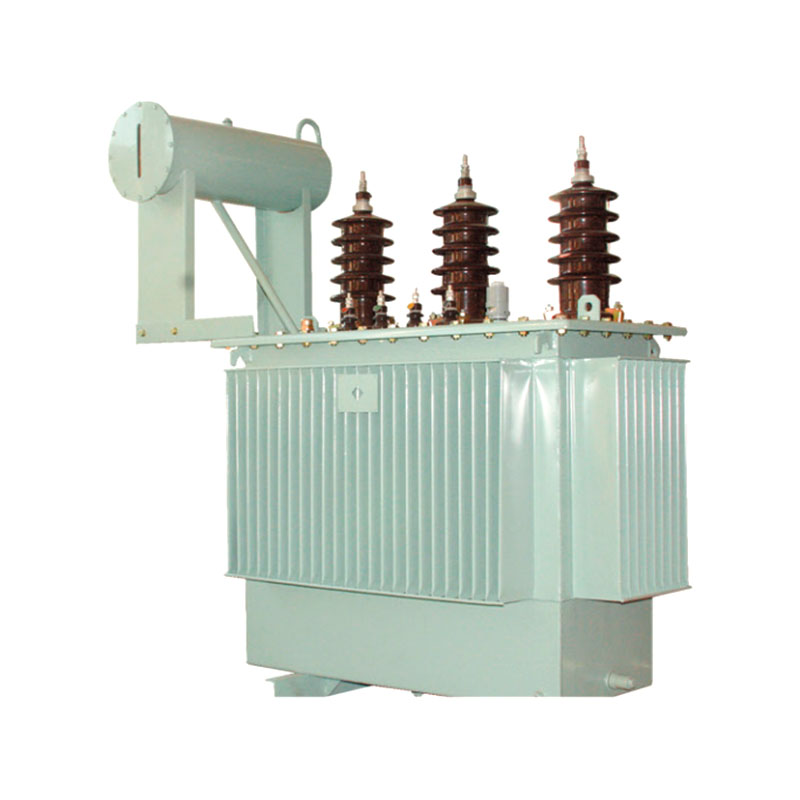
S22 33kV class power transformers for sub-transmission and plant supply, and the 220kV three-phase on-load voltage regulating transformer for transmission and substation duty where tap changing under load is part of the operating scheme.
The SC(B) series 10kV dry-type epoxy casting transformer serves indoor distribution rooms, commercial buildings and industrial plants where an oil-free unit is required.
| Transformer family | Voltage class | Construction | Typical application | Configuration focus |
|---|---|---|---|---|
| S11 fully sealed | 10 kV | Three-phase, oil-immersed, sealed tank | Distribution networks, industrial and mining supply | Loss level, tap range, vector group, cable termination |
| Single-phase pole-mounted | 10 kV | Oil-immersed, pole mounting | Overhead rural and residential distribution | Self-protect type, CRGO or amorphous core, mounting bracket |
| S22 11kV/15kV class | 11 kV / 15 kV | Three-phase, oil-immersed, sealed | Export distribution networks on 11kV and 15kV grids | Voltage ratio, frequency, impedance, standard set |
| S22 33kV class | 33 kV | Three-phase, oil-immersed | Sub-transmission, plant supply, renewable connections | Cooling stage, protection accessories, transport limits |
| 220kV regulating transformer | 220 kV | Three-phase, oil-immersed, OLTC | Grid transmission, substation voltage regulation | Tap changer, cooling control, monitoring interface |
| SC(B) cast resin | 10 kV | Three-phase, dry-type, epoxy cast | Indoor rooms, commercial and industrial buildings | Enclosure IP, cooling class, temperature monitoring |
The siting decision comes before the electrical detail, because it fixes the insulation medium, the enclosure and the maintenance regime. We agree that choice with the project team at the quotation stage rather than after the drawings are released.
The electrical performance of a distribution transformer is set by the core and winding materials long before the final test. Our units are built with high-grade cold-rolled silicon steel sheet and oxygen-free copper wire, assembled with anti-loosening fasteners and sealed against moisture ingress.
A transformer quotation is only meaningful once the working point is defined. Before winding starts, the technical agreement for a custom or OEM unit locks the following parameters:
Transformers are delivered into a live scheme, so the interfaces matter as much as the unit itself. We confirm the upstream switching device, the downstream distribution arrangement and the protection scheme during the drawing stage, then match the transformer terminations to them.
Production runs through in-house processing, winding, assembly and testing under a staged inspection sequence. Incoming raw material and purchased components are inspected on arrival and rejected at source if non-conforming; QC staff then carry out patrol checks during winding, assembly and wiring.
Supplying the right transformer begins with the project data below. Where a figure is not yet fixed, we state the assumption on the drawing so the client can confirm it before release.
| Project input | What it determines |
|---|---|
| Grid voltage, frequency and vector group | Winding design, tap range and phase displacement |
| Capacity and load profile | Core and coil sizing, cooling arrangement, loss class |
| Installation environment | Oil-immersed sealed or dry-type cast resin; enclosure and surface protection |
| Altitude, ambient temperature, humidity | Insulation level and temperature-rise margin |
| Tap changing requirement | Off-circuit taps or on-load tap changer with its control |
| Termination and upstream/downstream equipment | Cable box, busbar or switchgear interface detail |
| Standards, certification and documentation | Test plan, report format, nameplate and manual language |
| Destination, packing and site access | Export packing, transport limits, loading plan and documents |
As a China distribution transformer supplier working with importers, distributors and engineering contractors, we handle OEM and ODM builds from drawing design through prototype confirmation to mass production. Regional voltage standards, capacity requirements and indoor or outdoor installation are the starting points for a custom configuration.
We produce fully sealed oil-immersed distribution transformers at 10kV, single-phase pole-mounted units at 10kV, S22 series 11kV/15kV and 33kV class transformers, a 220kV three-phase on-load voltage regulating transformer, and 10kV SC(B) dry-type epoxy cast transformers. Voltage ratings across the series run from 10kV to 220kV.
Yes. The S22 range covers 11kV and 15kV class distribution duty and 33kV class power duty, and we configure voltage ratio, frequency, vector group and tapping to the regional standard named by the customer. The confirmed values are recorded on the technical agreement before production.
Sealed oil-immersed units fit outdoor yards, pole mounting and box-type substations; dry-type cast resin units fit indoor distribution rooms and buildings where oil containment and fire separation are impractical. We review siting, ambient conditions, load profile and the local installation code, then propose the format that satisfies both the electrical duty and the site.
Semi-finished units are tested for insulation resistance, power-frequency voltage withstand and DC resistance before moving to the next process. Finished units receive voltage withstand, temperature-rise and functional verification, and the resulting factory test report is issued with the shipment alongside drawings, manuals and export documents.
Rated capacity, primary and secondary voltage, frequency, vector group, tap requirement, impedance and accepted loss levels, installation environment, altitude and ambient temperature, termination detail, standard set and destination. With those inputs we return a technical solution, structural drawings and a formal quotation; standard models are typically scheduled in 7–15 working days.

 392635183@qq.com
 +86-0577-62657873
 +86-13858819036
 No.300 Kaixing Road, Xindong Village, Liushi Town, Yueqing City, Wenzhou City, Zhejiang Province, P.R.China
Copyright © Wenzhou Xubian Electric Co., Ltd. All Rights Reserved
China Distribution Transformer Manufacturer Custom Oil Immersed Transformer Supplier
