


 en
 English
 русский
 Español
 عربى
 Français
 Português
10+
Years Experience

Our isolating switch series is used for electrical isolation and safe maintenance protection of high-voltage switchgear, covering indoor grounding switches, isolating switches, and outdoor high-voltage isolating switches, with voltage ratings from 12kV to 40.5kV, enabling circuit switching under no-load, energized conditions.
The products feature rotary, horizontal, or vertical mounting configurations with well-designed contact points, high arc-erosion resistance, and long mechanical life; some models can be fitted with grounding blades for combined "isolation + grounding" functionality to enhance operational safety. Customization is available based on installation method, current rating, and compatible switchgear models.

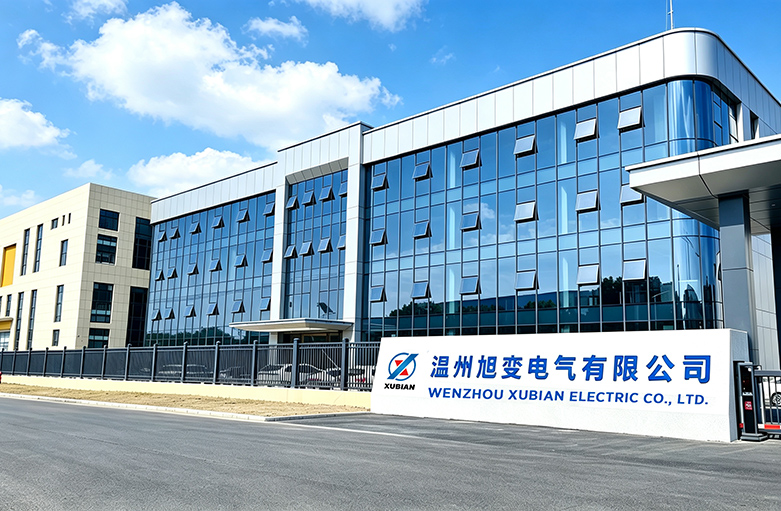
Wenzhou Xubian Electric Co., Ltd. is a technology-driven China Isolating Switch Manufacturer and Custom MV Disconnect Switch Supplier, specializing in the production, sales and after-sales maintenance of high- and low-voltage complete switchgear systems.
We have a dynamic and innovative team for R&D, design, management and marketing, backed by solid R&D and production competence.
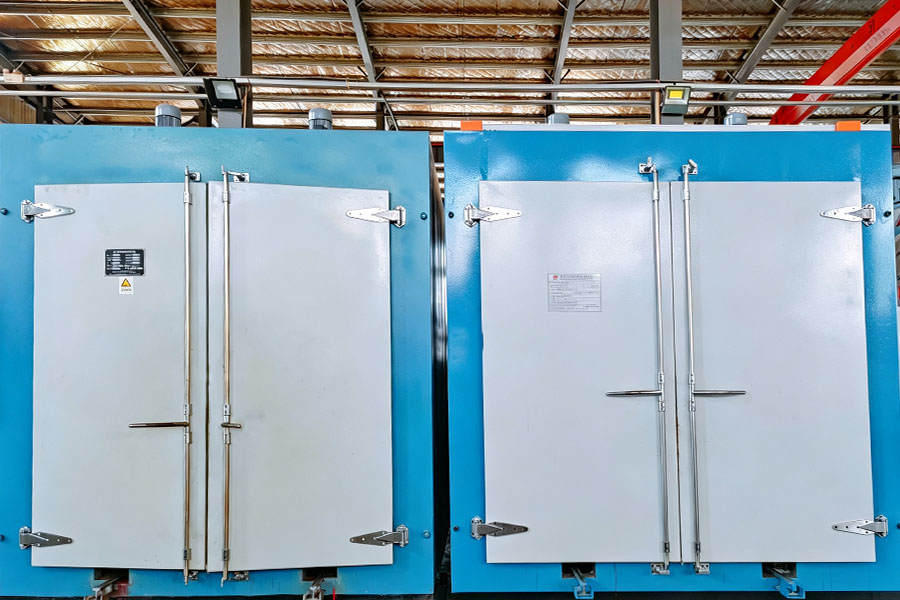
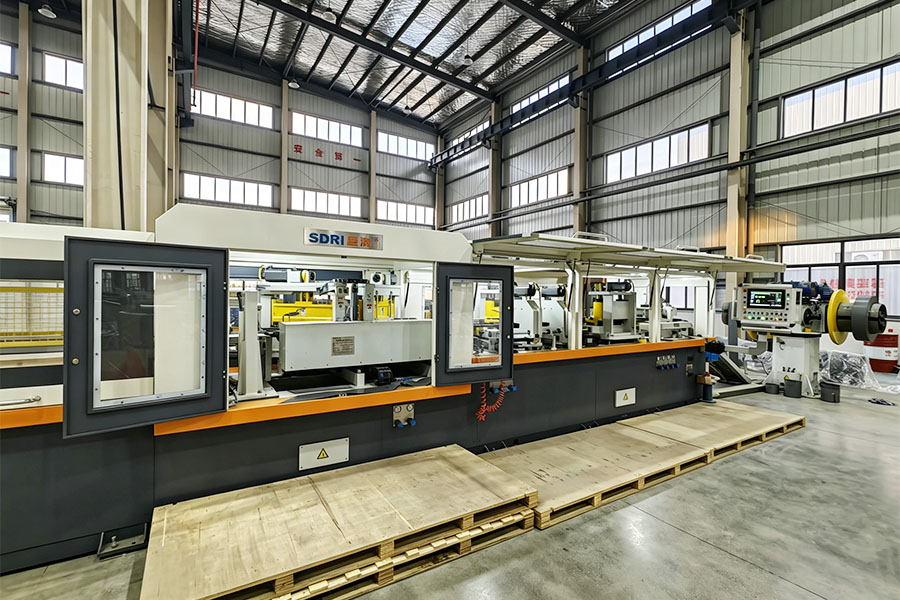
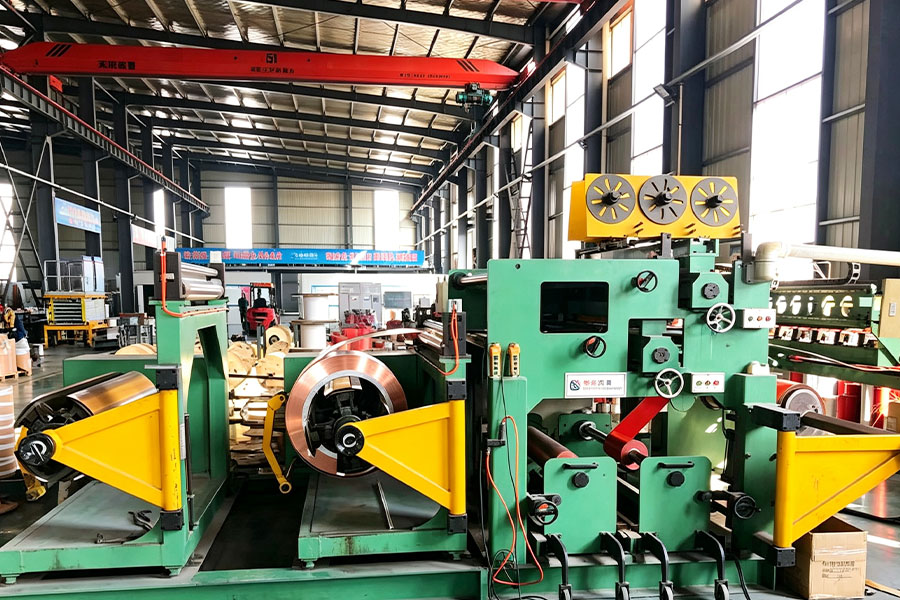
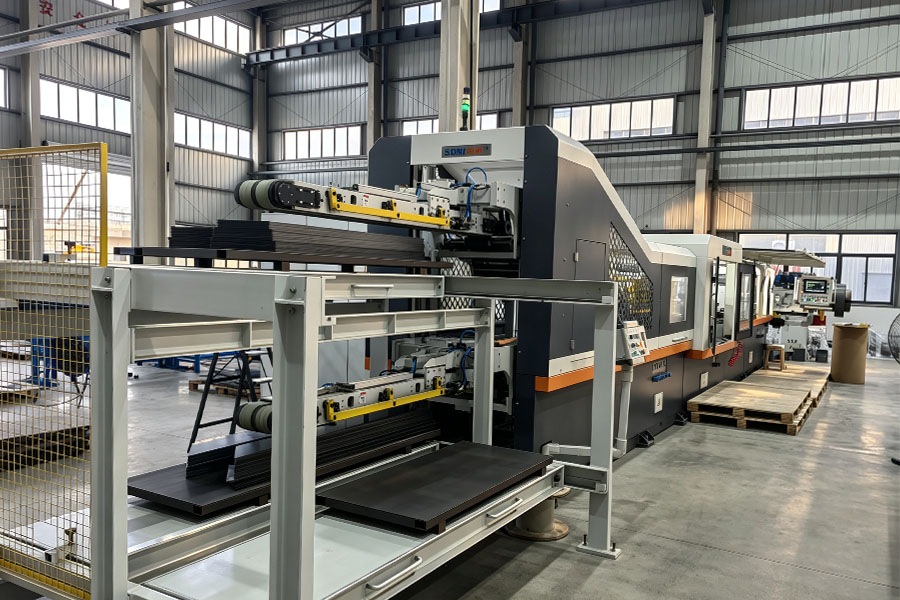
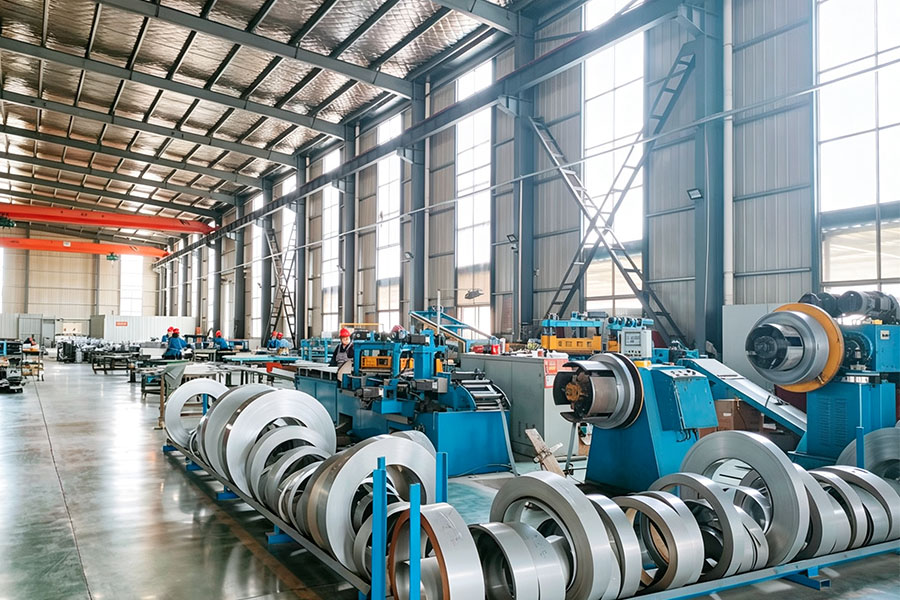
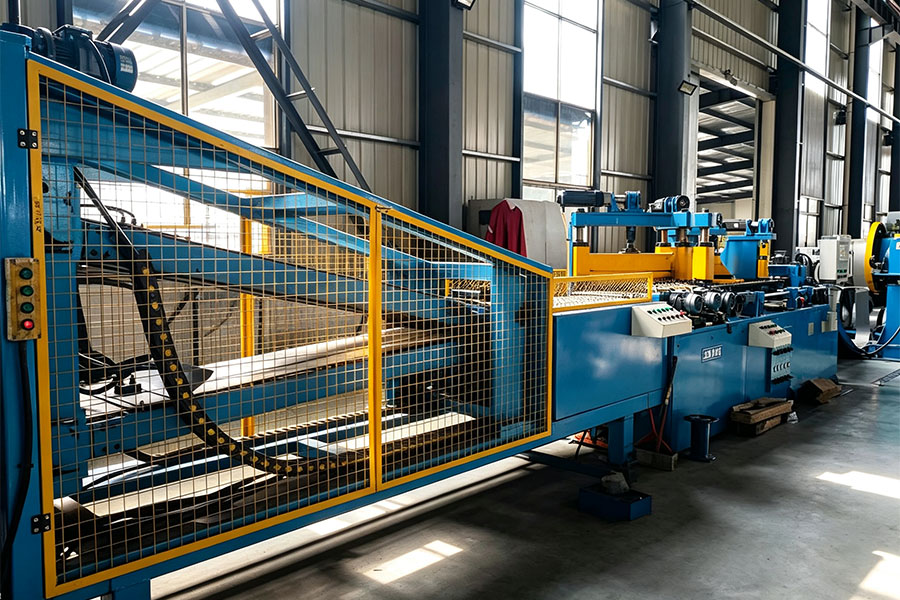
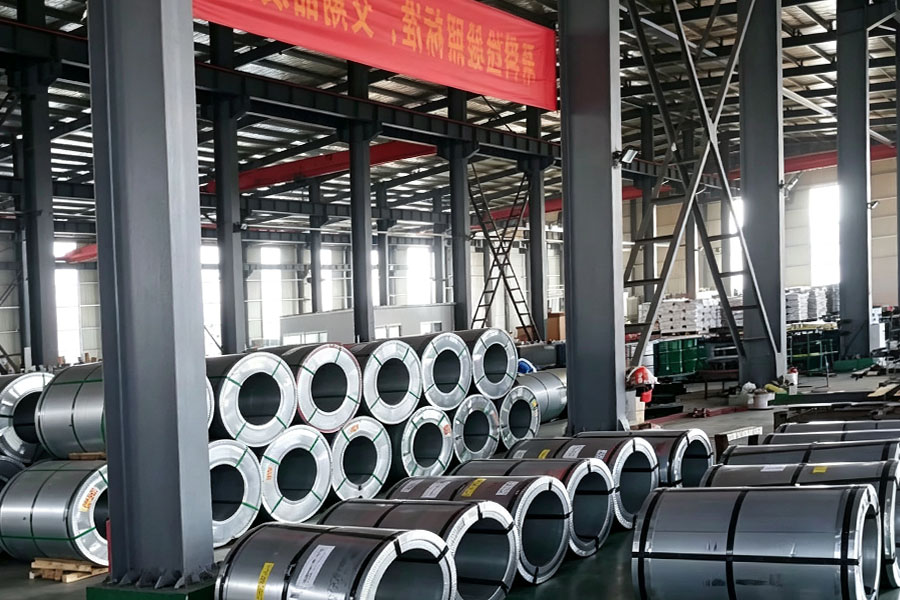
Following our quality policy: “Survival through Quality, Development through Innovation, Continuous Improvement, Customer Satisfaction”, we enforce strict control over all production stages to ensure 100% qualified finished goods. Our workshop is well‑equipped with full‑range processing facilities, testing apparatus and advanced inspection solutions.
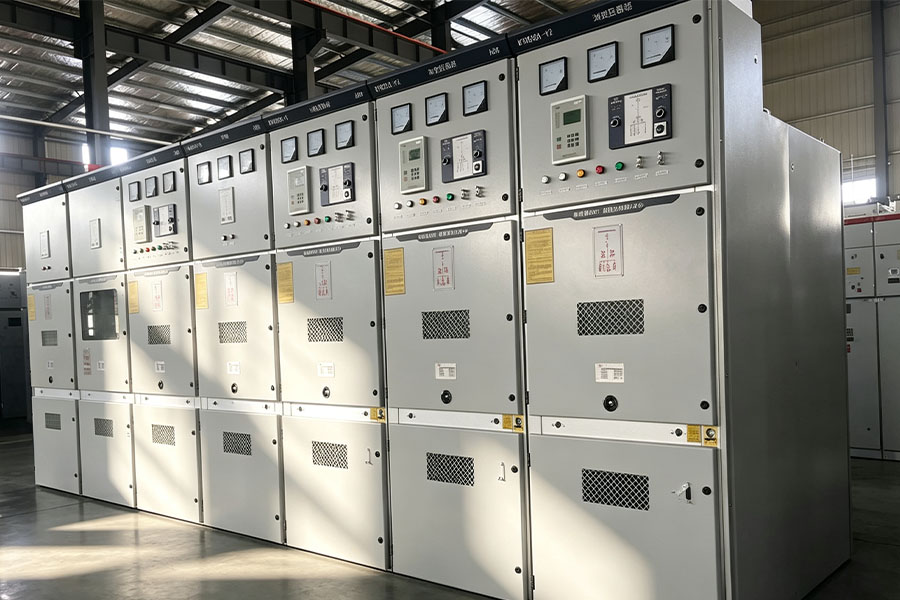
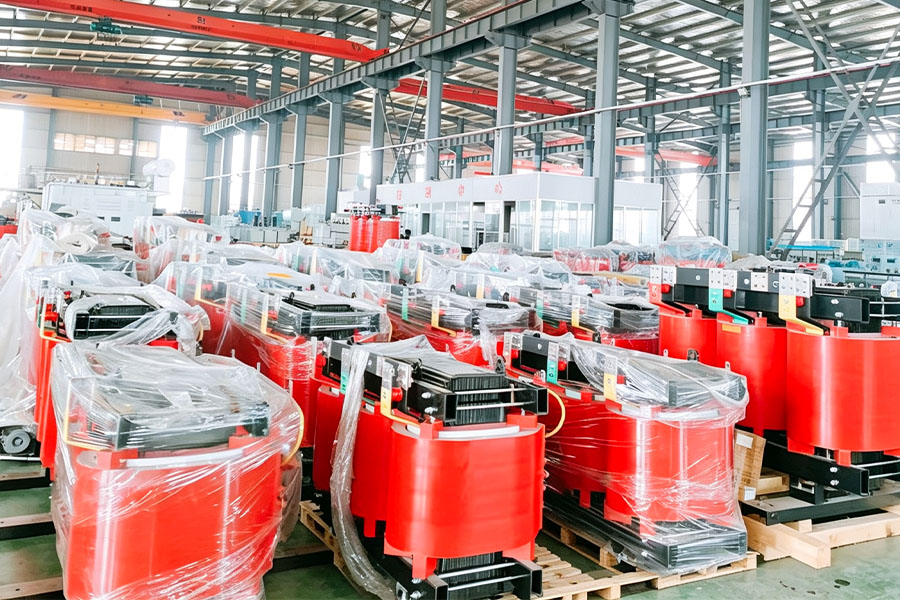
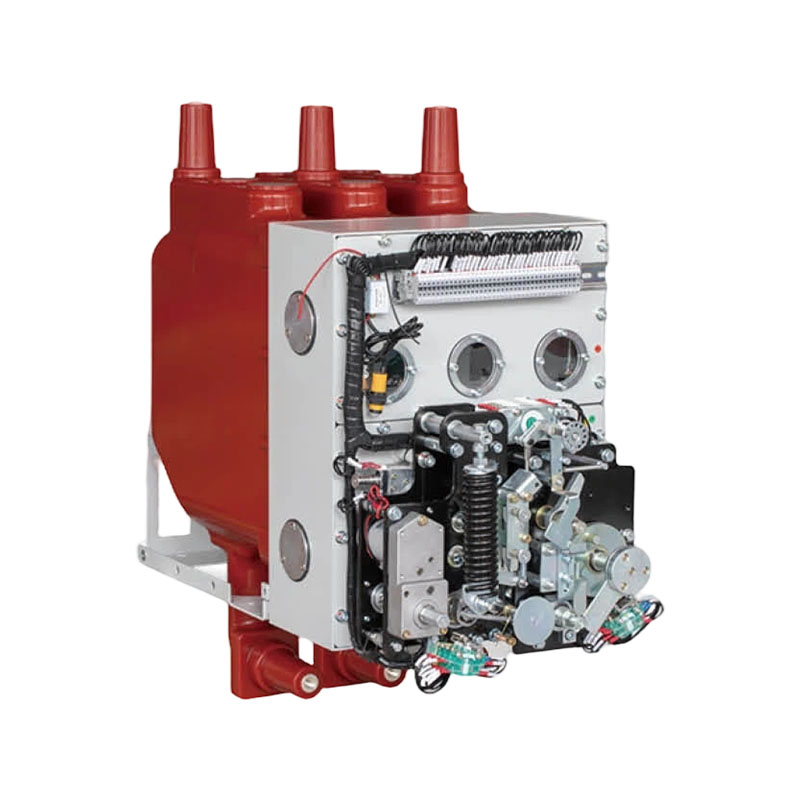
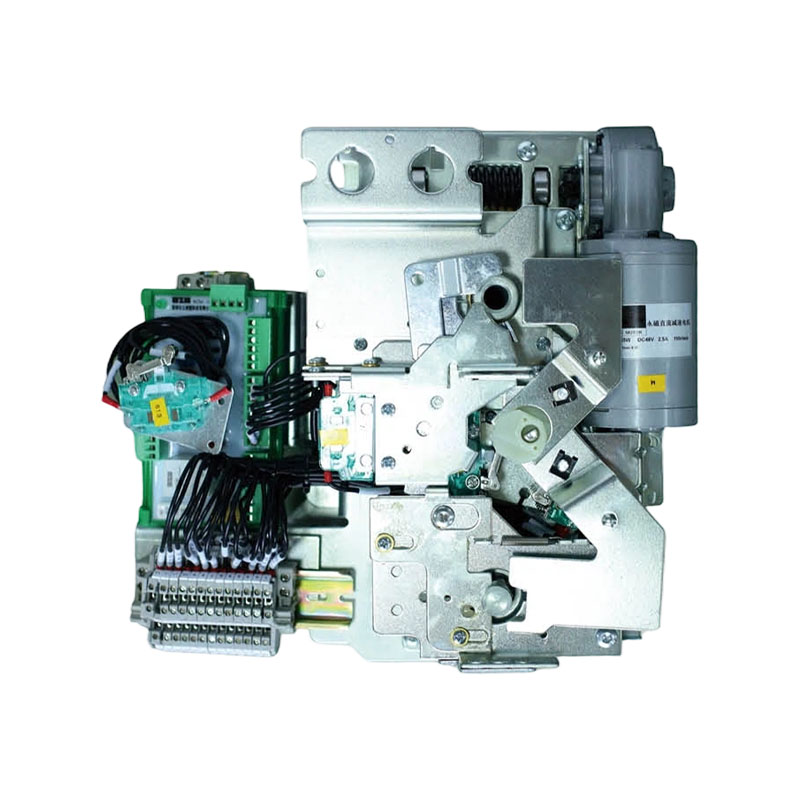
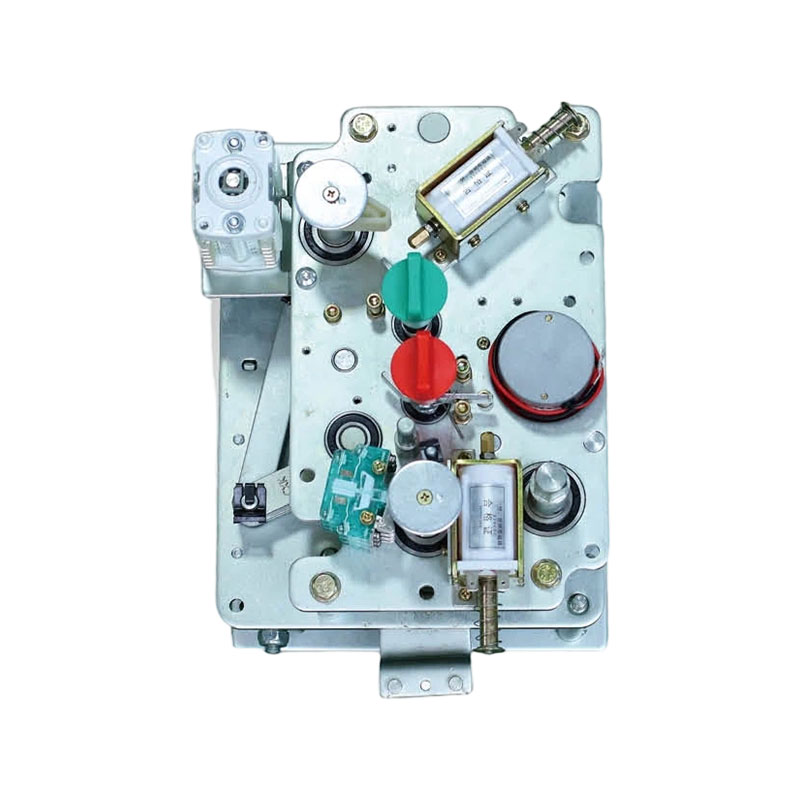
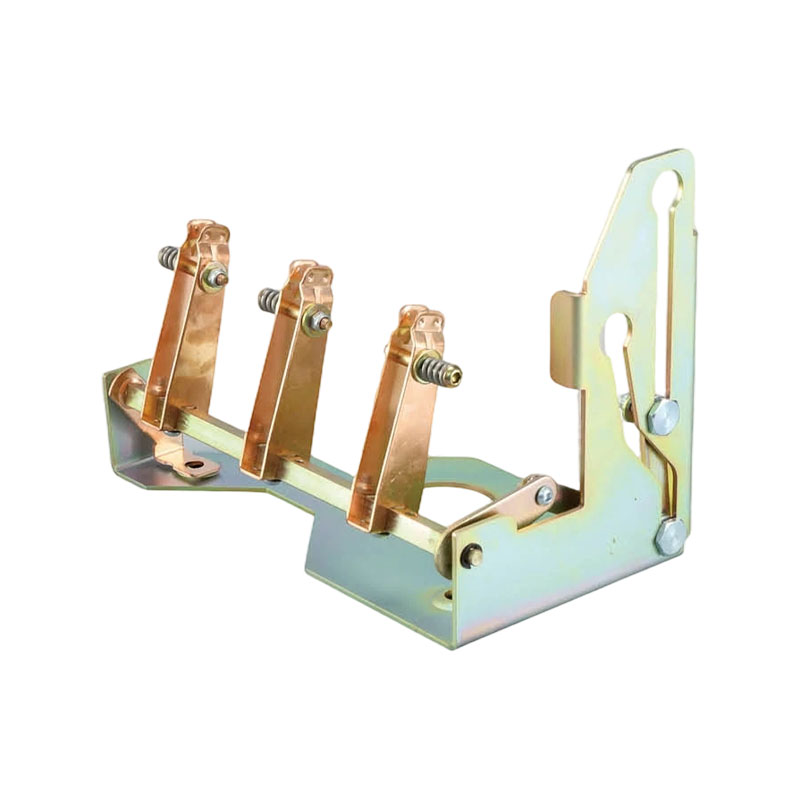
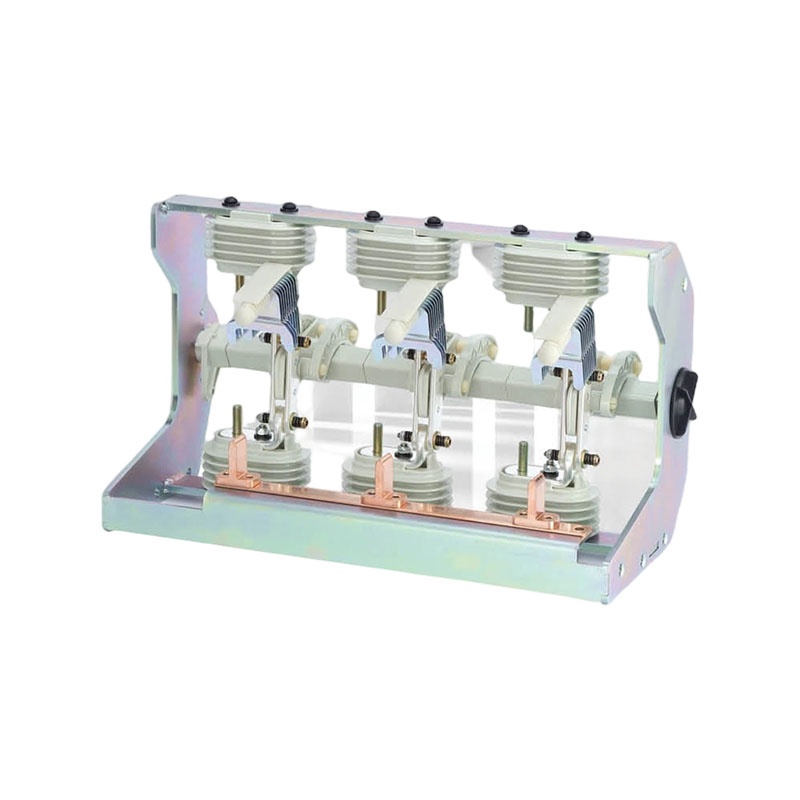
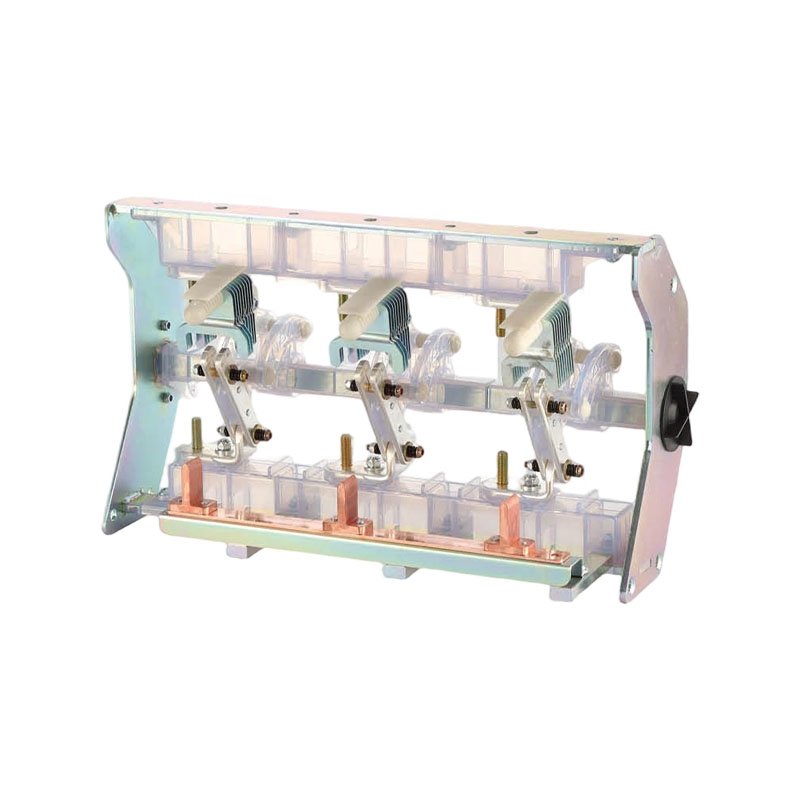
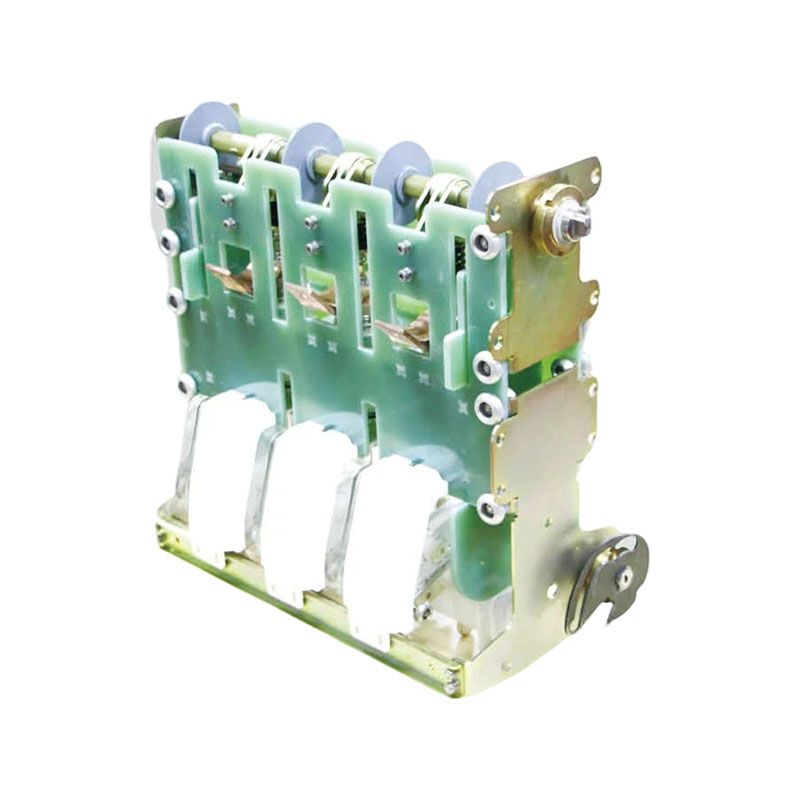
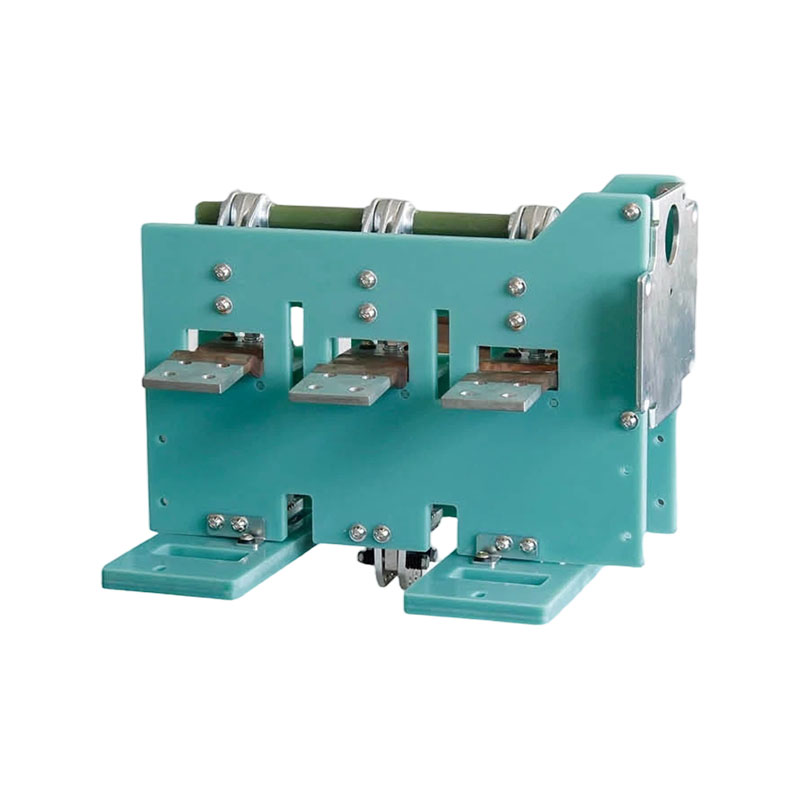
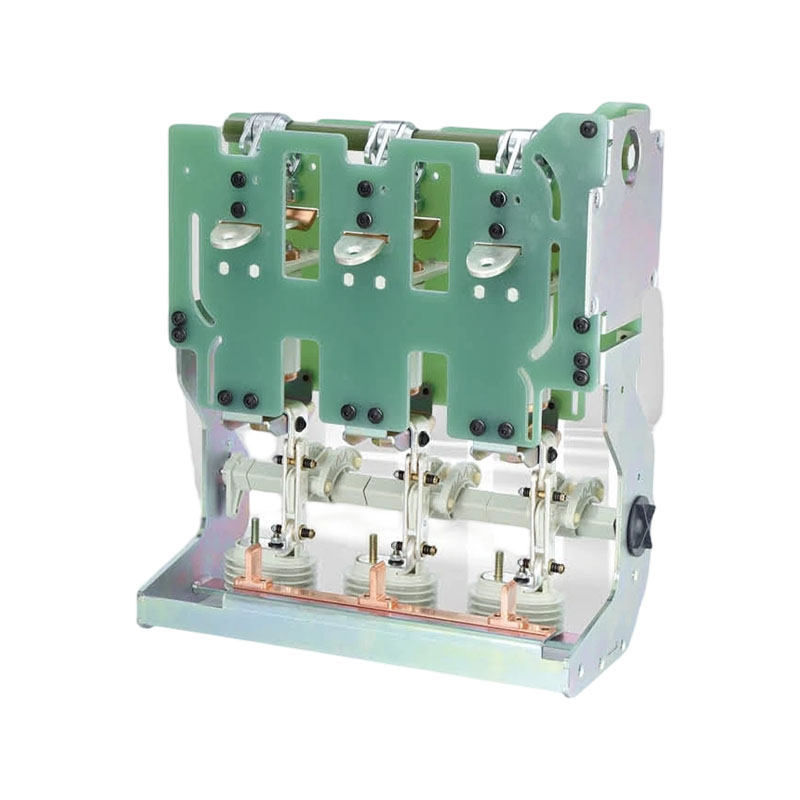
Wenzhou Xubian Electric Co., Ltd. is a China Isolating Switch manufacturer producing indoor and outdoor high-voltage disconnectors and earthing switches for medium-voltage distribution, within a wider programme of complete switchgear, ring main units, box-type substations and power transformers. The series covers devices rated 12 kV, 24 kV and 40.5 kV: knife-type and rotary indoor disconnectors, indoor earthing switches and outdoor three-phase isolating switches. Every unit creates a visible isolation point for maintenance, cable termination and network sectioning at no load.
Because we also build the switchgear these devices are installed in, configuration starts from the cubicle rather than from a catalogue number. Busbar spacing, panel depth, mechanism position, shaft extension, mechanical interlocking and the earthing arrangement are agreed on the drawing before production. OEM and ODM work follow the same engineering route from requirement assessment to factory test.
The range is organised by installation location, voltage class and whether the device performs isolation, earthing, or both inside one frame.
| Family | Models | Voltage class | Ratings and application fit |
|---|---|---|---|
| Indoor knife-type disconnector | GN19-12, including C1 / C2 / C3 through-wall versions | 12 kV | 400–1250 A; 16–31.5 kA short-time withstand; CS6-1 mechanism; anti-pollution, high-altitude and live-display variants |
| Indoor rotary disconnector | GN30-12 | 12 kV | Rotary contact action for confined cubicles; panel-mounted or standalone installation |
| Indoor vertical rotary disconnector | GN27-40.5, GN27-40.5D1, GN27-40.5D2 | 40.5 kV | 630 / 1250 A; 20 or 31.5 kA for 4 s; horizontal, vertical or inclined mounting; reinforced insulation for Class II pollution areas |
| Indoor earthing switch | JN15-12 | 12 kV | 31.5 kA short-time withstand; 80 kA making; 2000 mechanical operations; maintenance earthing with any switchgear type |
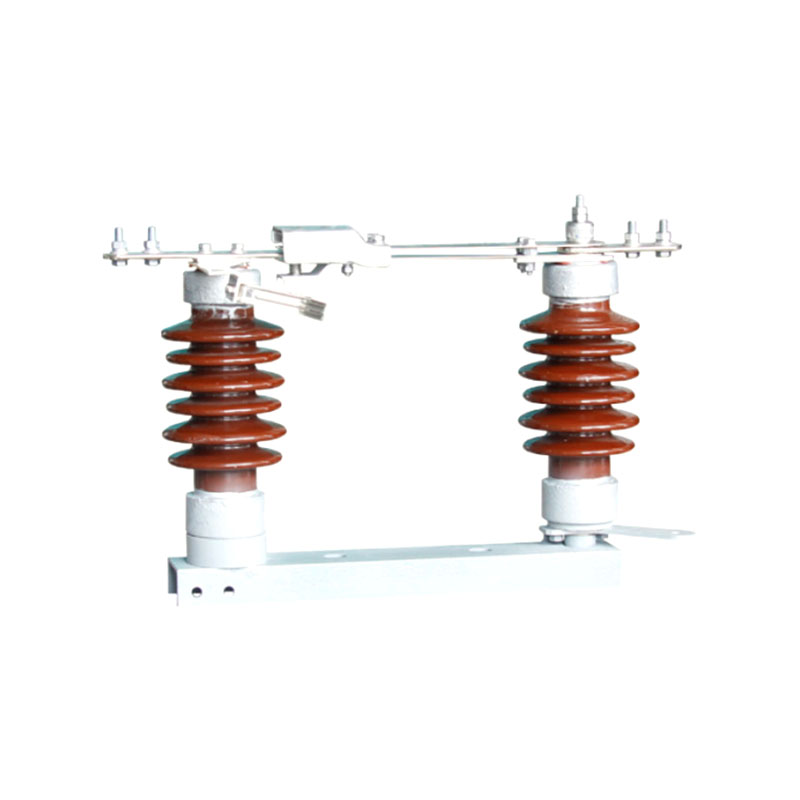
| Outdoor isolating switch | GW4-12, GW4-15, GW4-24 | 12–24 kV | Three-phase outdoor isolation for line and busbar sectioning on structures and pole installations |
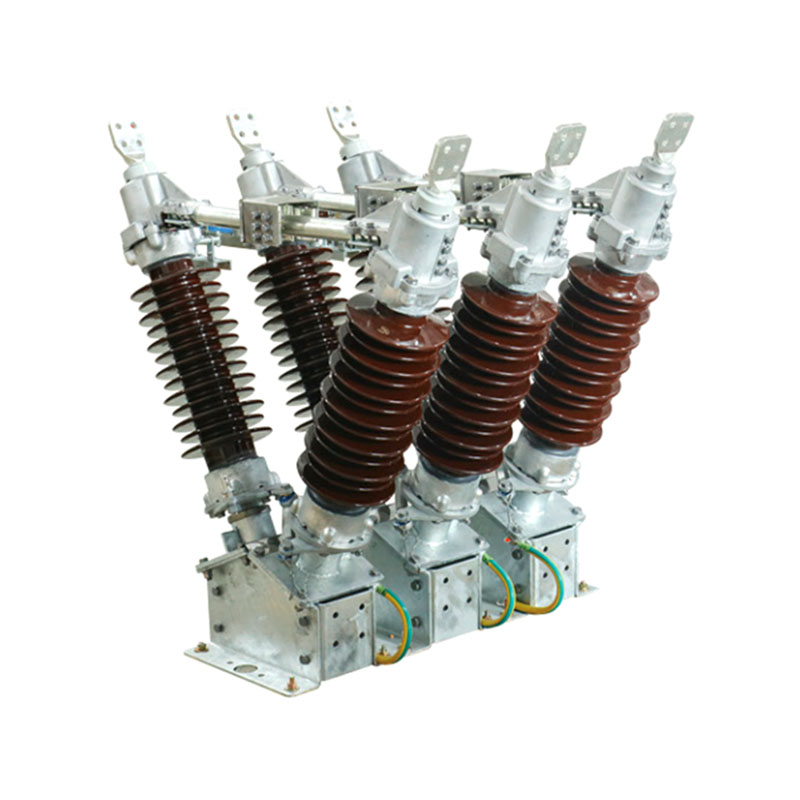
| Outdoor isolating switch | GW5-40.5 | 40.5 kV | Outdoor isolation points for 40.5 kV substation and line circuits |
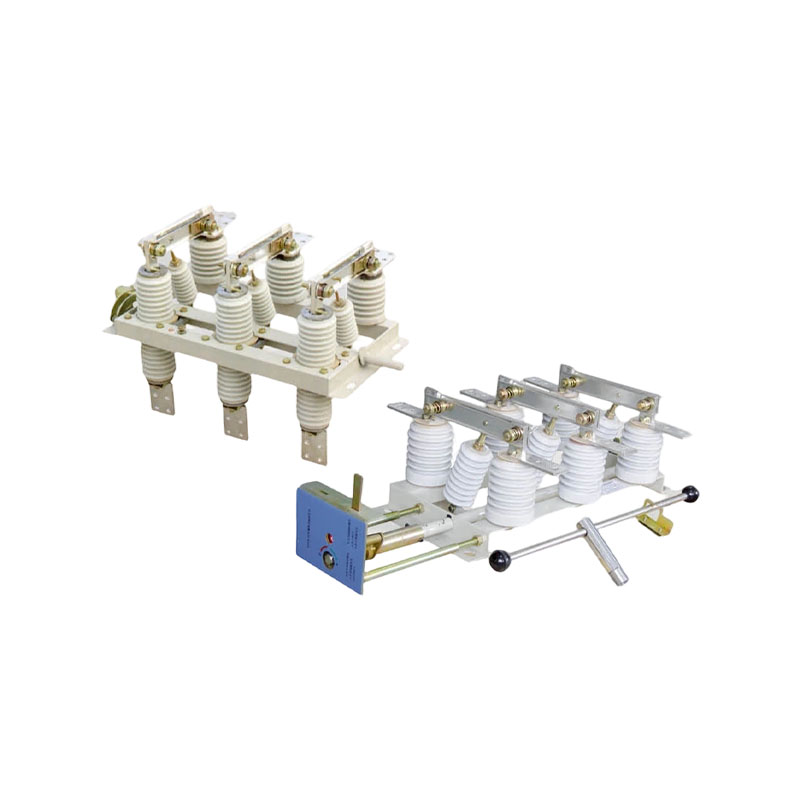
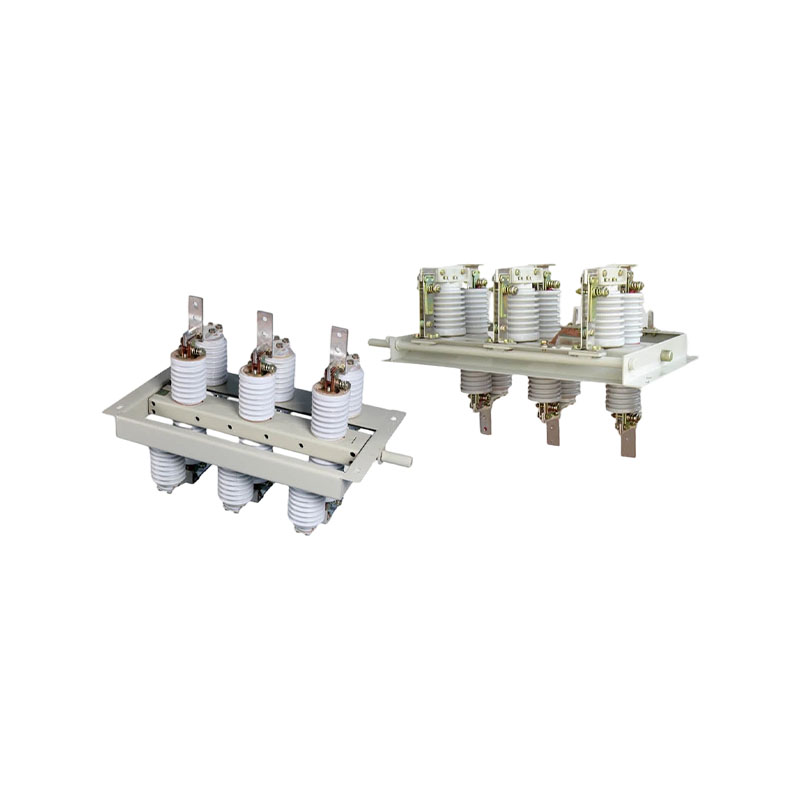
Both 12 kV families are three-pole, common-base designs built from a base frame, rotating shaft, pull rods, post insulators, blades and terminal boards. The shaft is carried in bearings and extends beyond the frame, so the operating mechanism can be coupled at whichever section suits the panel layout.
The GN19-12 indoor high voltage isolating switch is rated 12 kV, 50 Hz, with current ratings of 400, 630, 1000 and 1250 A and short-time withstand currents from 16 kA to 31.5 kA for 4 seconds. Insulation is 42 kV phase-to-earth and 48 kV across the open contacts at power frequency, with lightning impulse levels of 75 kV and 85 kV; creepage distance is 300–380 mm and mechanical life is 2000 operations. The CS6-1 manual mechanism is standard, and through-wall versions are designated C1, C2 and C3 according to which side carries the rotating or breaking contact.
GN30-12 converts the contact movement into rotation instead of straight knife travel, which suits cubicle layouts where the operating arc must stay inside a confined compartment. Ratings, mounting position and mechanism arrangement are confirmed against the panel drawing before release to production.
The GN27-40.5 series indoor high voltage isolating switch is a vertical rotary knife-gate, three-phase common-base disconnector with a CS6-2 operating mechanism. It is available at 630 A and 1250 A, with short-time withstand current of 20 kA or 31.5 kA for 4 seconds, peak withstand of 50 kA or 80 kA, power-frequency withstand of 95 kV / 115 kV and lightning impulse withstand of 185 kV / 215 kV. Swinging multi-contact contacts give low wear, good self-cleaning and a small operating torque, and the shaft runs in bearings to keep operation light over the service life.
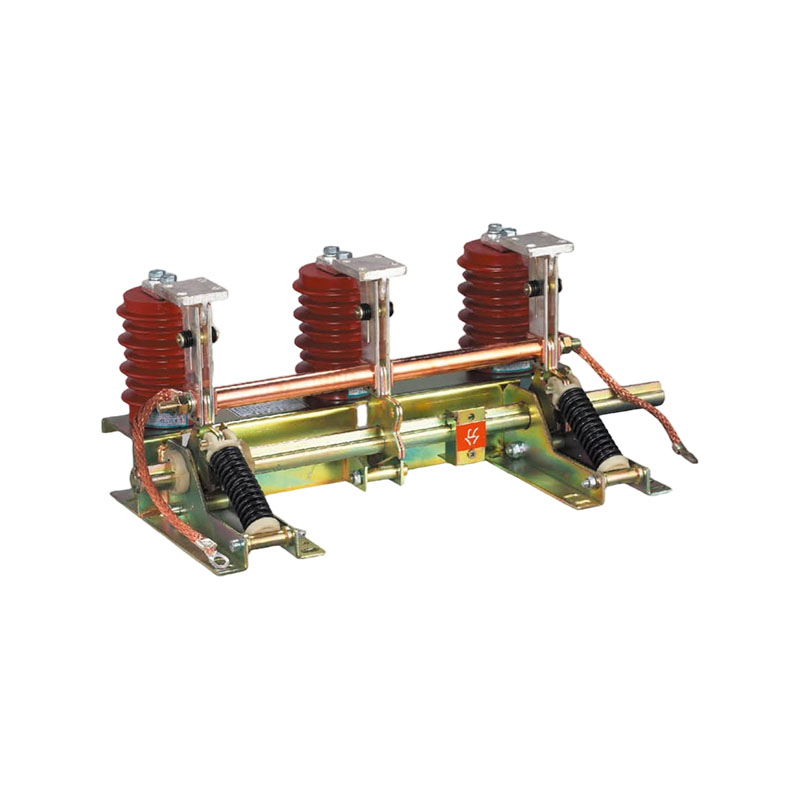
The JN15-12 indoor earthing switch is rated 12 kV and used with high-voltage switchgear or as earthing protection while high-voltage equipment is under maintenance. It carries a 31.5 kA short-time withstand current, 80 kA short-circuit making and peak withstand current, 65 kV power-frequency and 125 kV lightning impulse withstand, and 2000 mechanical operations. Performance follows GB1985-2004 for AC high-voltage disconnectors and earthing switches and the corresponding IEC requirement.
Frame lengths of 210, 230, 250 and 275 mm are produced, so the earthing point can be matched to the busbar height and cable compartment depth already fixed in the switchgear design.
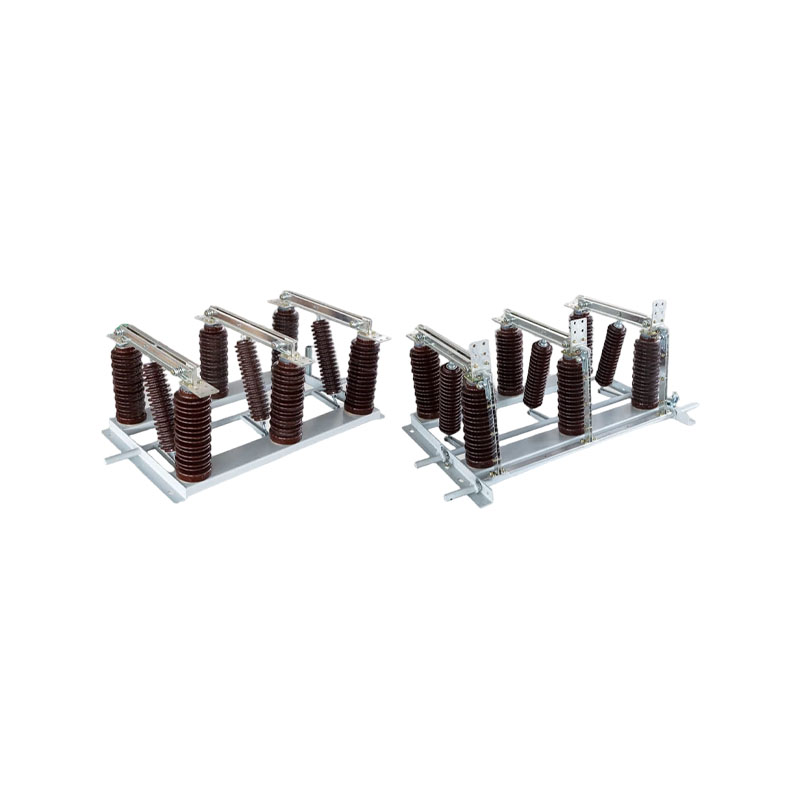
GW4-12, GW4-15 and GW4-24 cover 12 kV to 24 kV outdoor isolation, and GW5-40.5 covers 40.5 kV outdoor circuits. These three-phase units are used to create a visible break in lines, busbars and transformer feeders for maintenance and sectioning, and they are supplied as part of the same electrical programme as our indoor devices.
Disconnectors in this series are no-load devices: they make and break circuits only after the breaker or load switch has cleared the current. That boundary drives the design of the contact system, the creepage path and the interlocking scheme rather than the breaking chamber.
We build to the panel or structure drawing rather than to a fixed list, and the same options apply to single-unit orders and to OEM or ODM programmes with private labelling.
Isolating switches from this series are supplied both as standalone devices and as fitted components of our High-Voltage Complete Switchgear, where they sit alongside vacuum circuit breakers, earthing switches and protection devices. When the disconnector is part of a complete panel, we coordinate the mechanical interlock sequence between breaker, disconnector and earthing switch so that the isolation point cannot be opened under load and earthing cannot be applied to a live circuit.
For panel builders and distributors, we supply the device with the operating shaft, handle and linkage dimensions already matched to the cubicle so that site fitting follows the assembly drawing without modification work.
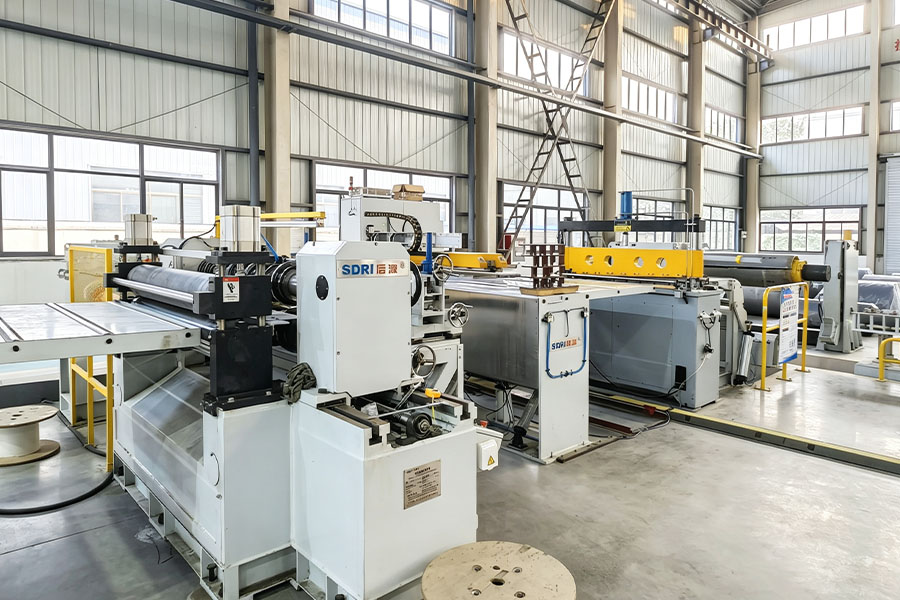
Every production stage is controlled in our own workshop, from incoming material inspection through sheet-metal processing, assembly and final factory test. Semi-finished parts are released to the next process only after insulation resistance, voltage-withstand and DC resistance checks, and finished units pass power-frequency withstand, temperature-rise and functional operation tests before a test report is issued.
A workable proposal needs the electrical duty, the mounting interface and the site conditions in one package. These are the inputs our engineers work from.
| Project input | What we confirm with it |
|---|---|
| System voltage and frequency | Insulation level, creepage distance and clearances for the panel or structure |
| Continuous current and short-circuit level | Blade and terminal sizing, short-time and peak withstand rating of the selected model |
| Switchgear model or cubicle drawing | Mounting footprint, phase spacing, through-wall position (C1/C2/C3) and shaft exit point |
| Operating requirement | CS6 mechanism type, handle position, shaft length and interlock interface with breaker and earthing switch |
| Earthing arrangement | No earthing blade, integrated blade, or D1 / D2 earthing position on the 40.5 kV model |
| Site conditions | Altitude, pollution class, ambient temperature range, seismic intensity and indoor or outdoor installation |
| Documentation and market | Test report package, drawings, manual language, nameplate data and packing marks |
| Order scope | Quantities, spare contact and linkage parts, delivery sequence and private-label requirements |
GN19-12 is the usual choice for 12 kV panels, including C1, C2 and C3 through-wall versions when the barrier position requires it. GN30-12 with its rotary contact action is used where a straight knife movement does not fit the compartment, and JN15-12 provides the maintenance earthing point in the same panel.
No. Isolating switches and earthing switches in this series operate at no load and are used to establish a visible break after the circuit breaker or load switch has cleared the current. Load switching duty is handled by the load switch and circuit breaker ranges that sit alongside this series.
GN19-12 is supplied with a CS6-1 manual operating mechanism, and GN27-40.5 with a CS6-2 mechanism. The rotating shaft extends out of the frame so the handle and linkage can be coupled at any section along it, and panel-mounted GN19-12 units carry a self-contained interlocking mechanism.
Yes. GN27-40.5D1 isolates with the moving end earthed and GN27-40.5D2 with the fixed end earthed, giving combined isolation and earthing in one frame. On other models an earthing blade can be specified at drawing stage, and JN15-12 remains available as a separate earthing switch.
Voltage classes run from 12 kV to 40.5 kV, with continuous currents up to 1250 A and short-time withstand current up to 31.5 kA for 4 seconds on the indoor disconnectors. Outdoor units cover 12 kV, 15 kV, 24 kV and 40.5 kV circuits.
Finished units go through power-frequency voltage-withstand, temperature-rise and functional operation tests, after earlier in-process checks on insulation resistance, withstand voltage and DC resistance. A factory test report, drawings and manual are issued with the consignment, and a 12-month warranty covers repair, replacement and return, with spare parts available afterwards.

 392635183@qq.com
 +86-0577-62657873
 +86-13858819036
 No.300 Kaixing Road, Xindong Village, Liushi Town, Yueqing City, Wenzhou City, Zhejiang Province, P.R.China
Copyright © Wenzhou Xubian Electric Co., Ltd. All Rights Reserved
China Isolating Switch Manufacturer Custom MV Disconnect Switch Supplier
