


 en
en
 English
 Outdoor High-Voltage Vacuum/SF6 Circuit Breaker Series
Home / Products / Outdoor High-Voltage Vacuum/SF6 Circuit Breaker Series / ZW32-40.5 Outdoor high voltage vacuum circuit breaker

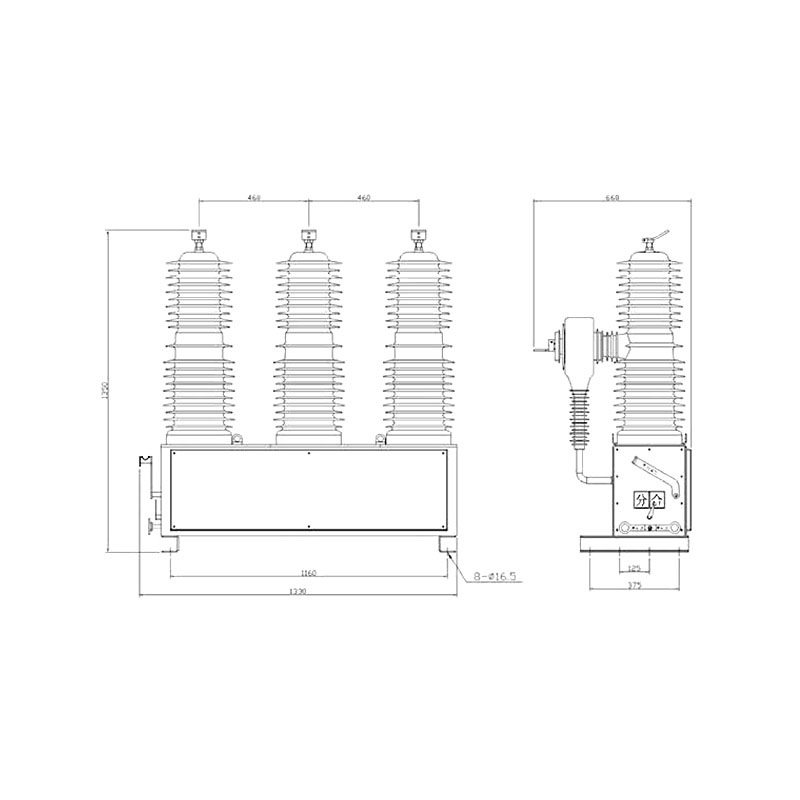 |
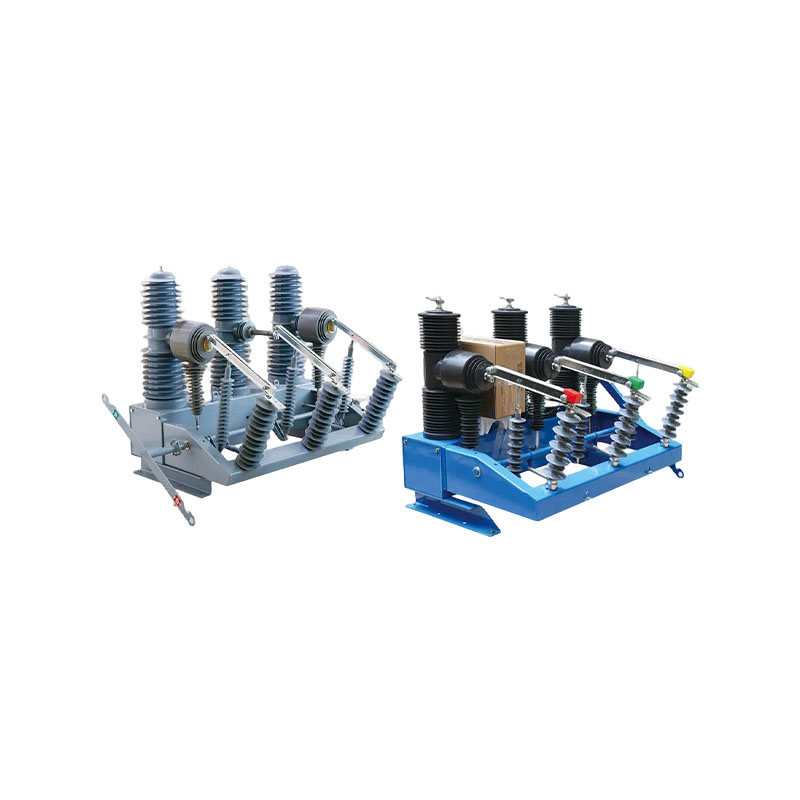
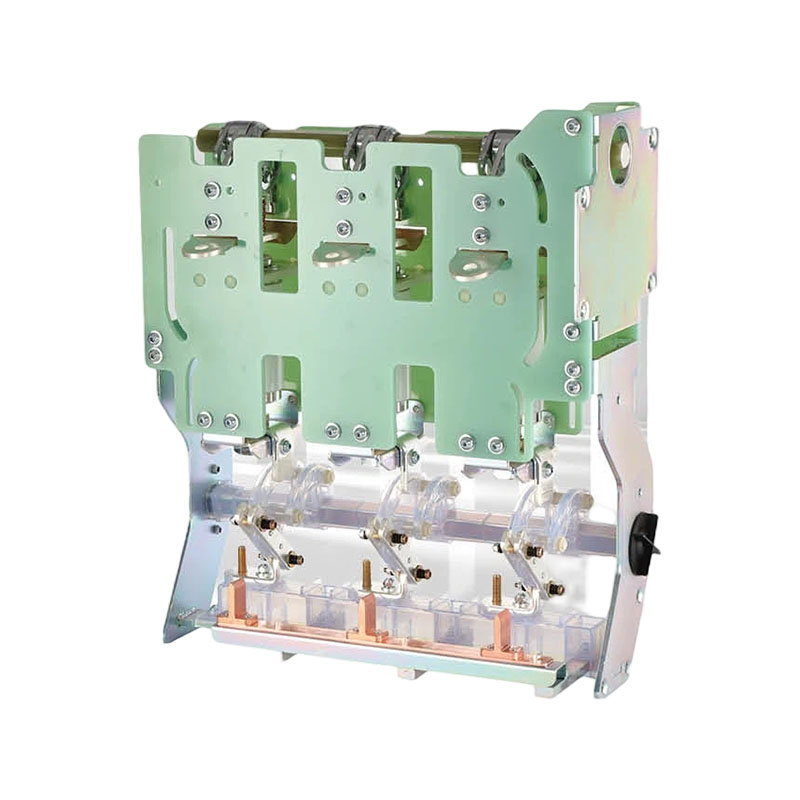
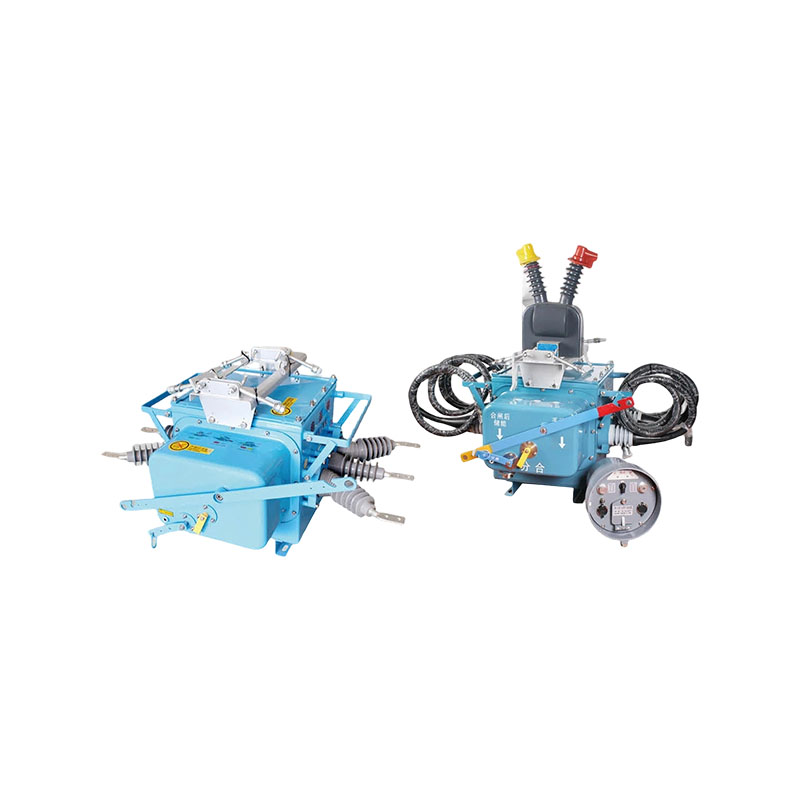
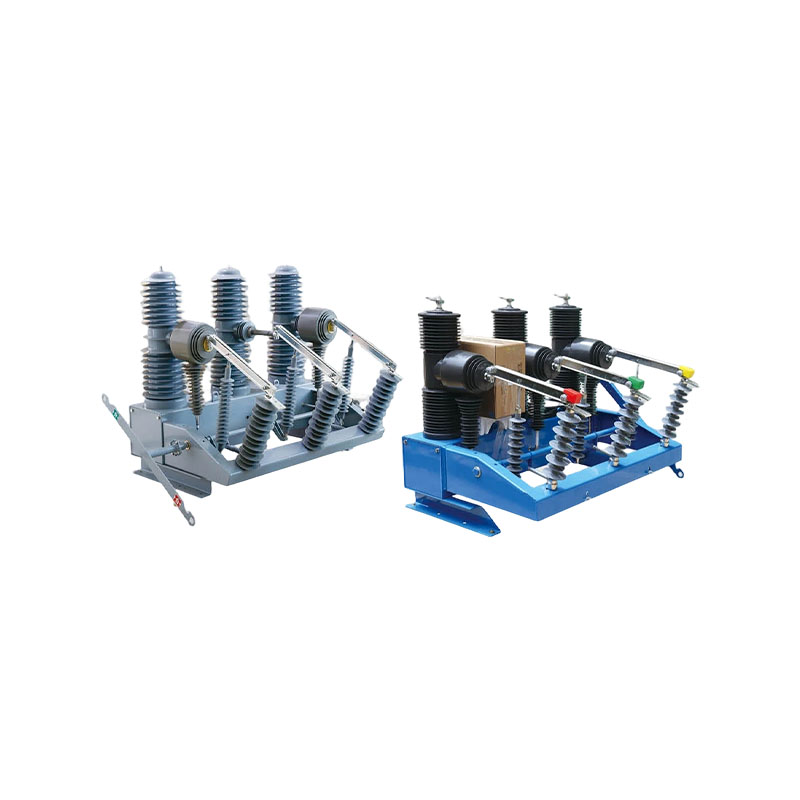
The ZW32-40.5 outdoor high-voltage vacuum circuit breaker mainly consists of an integrated solid-sealed pole, current transformer, operating mechanism, and enclosure. This circuit breaker model features a compact design, with the enclosure made of high-quality steel. Users can select the current transformer to meet their requirements. |
| The ZW32-40.5 outdoor high-voltage vacuum circuit breaker is combined with a matching intelligent control unit. It can perform local switching operations on-site and can also be remotely controlled through a communication interface. Other circuit breaker information can also be transmitted to the control center, with communication channels including cable, optical fiber, GPRS/CDMA, GSM, etc. |
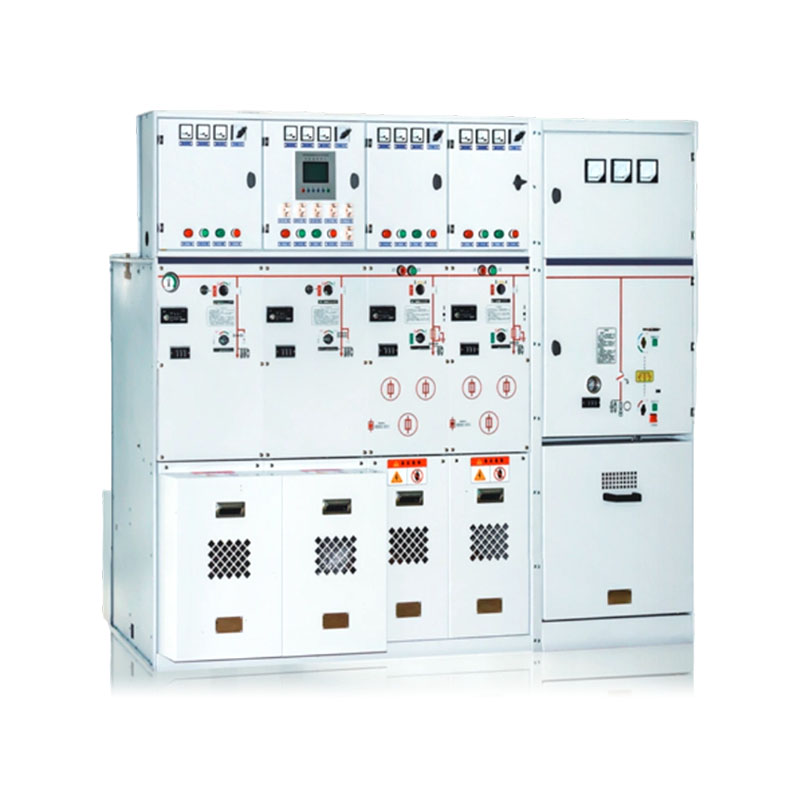
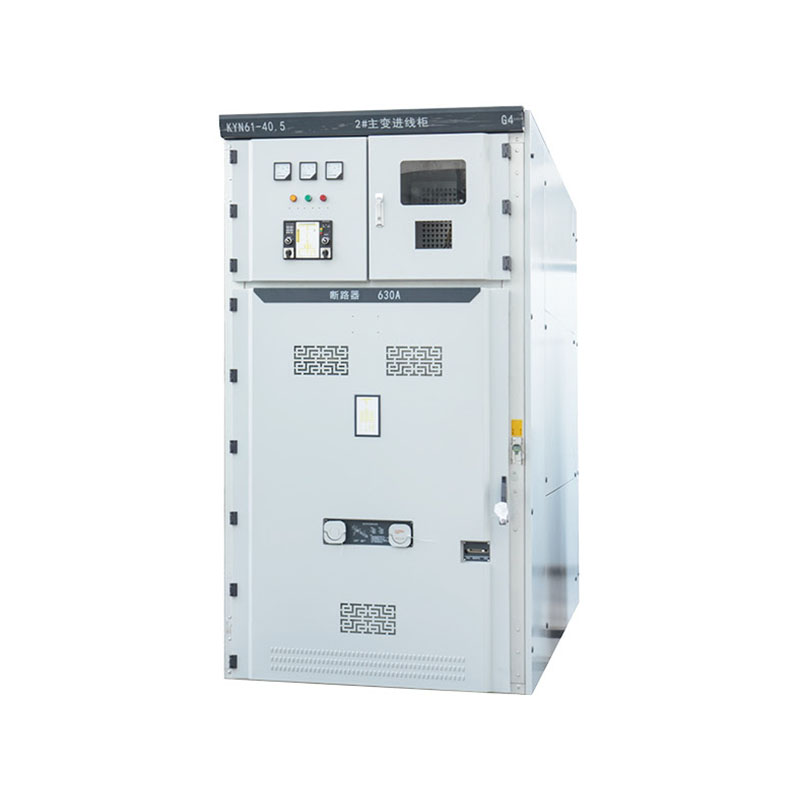

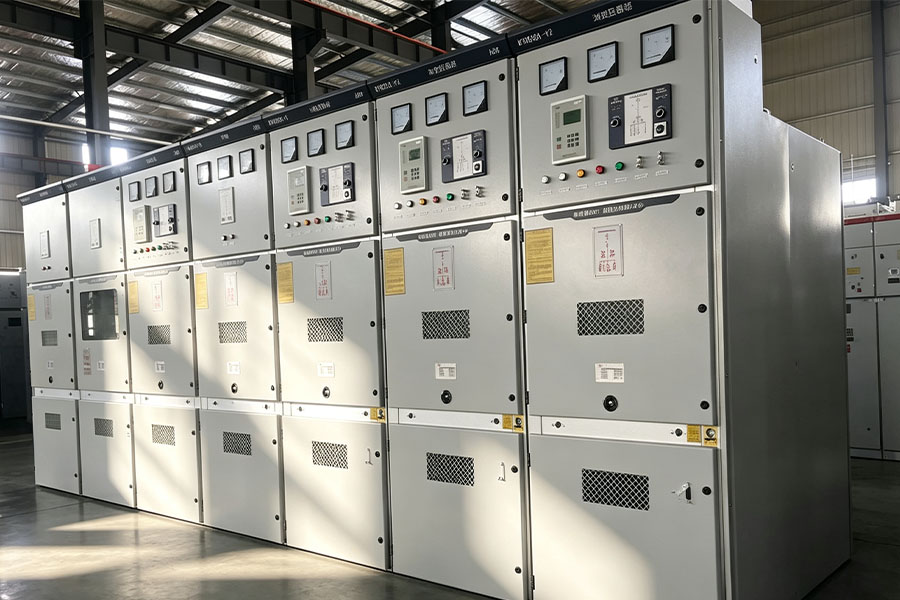
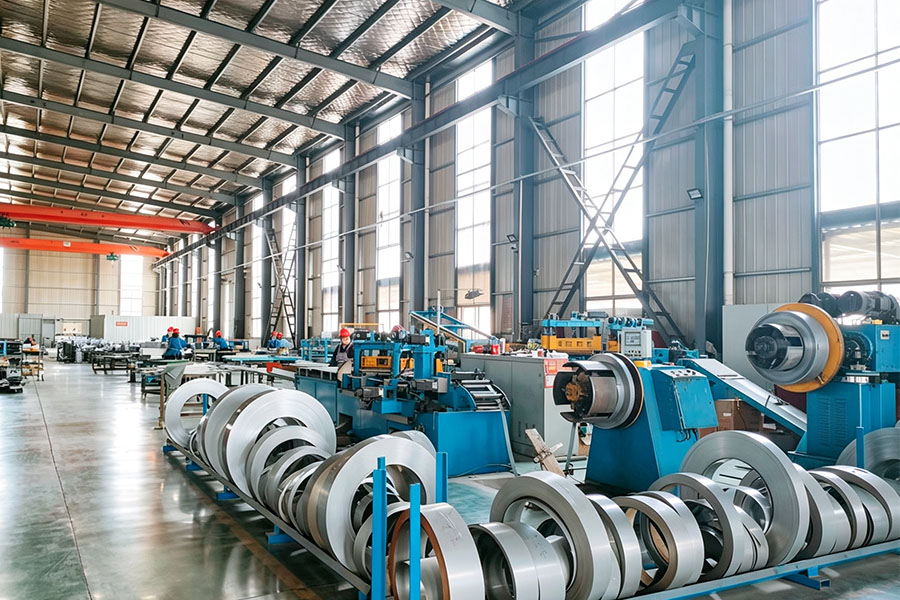
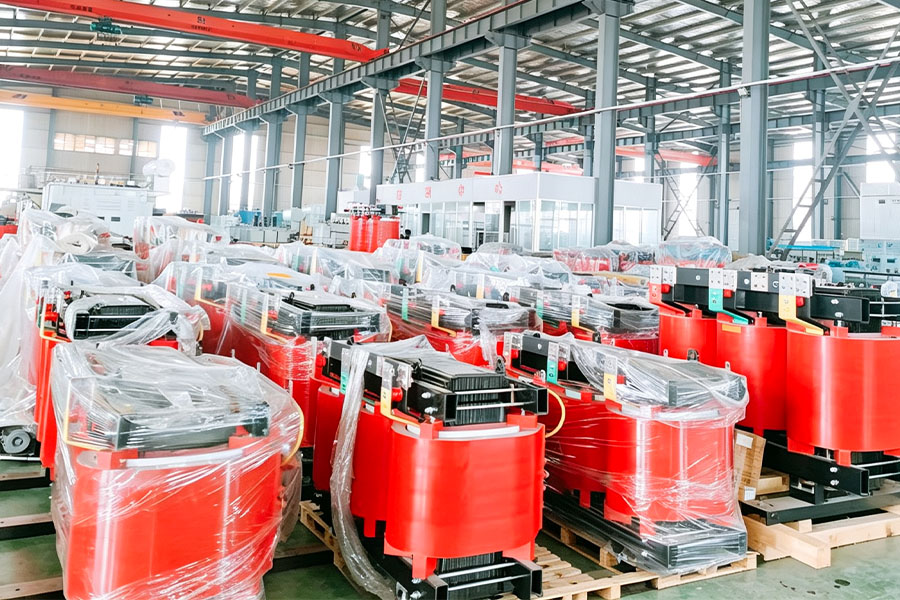
Wenzhou Xubian Electric Co., Ltd. is a technology‑driven manufacturer specializing in the production, sales and after‑sales maintenance of high‑low‑voltage complete power distribution equipment.
We have a dynamic and innovative team for R&D, design, management and marketing, backed by solid R&D and production competence.
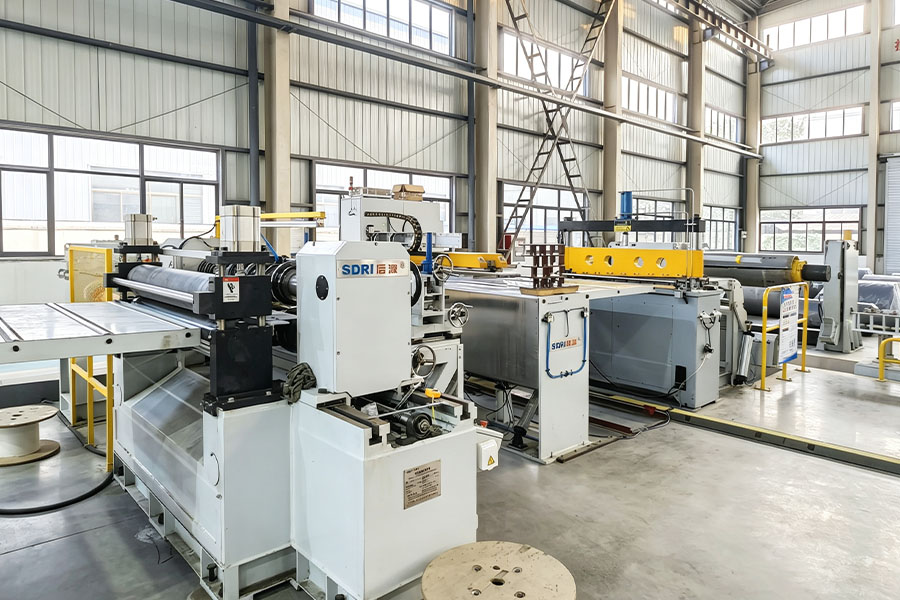
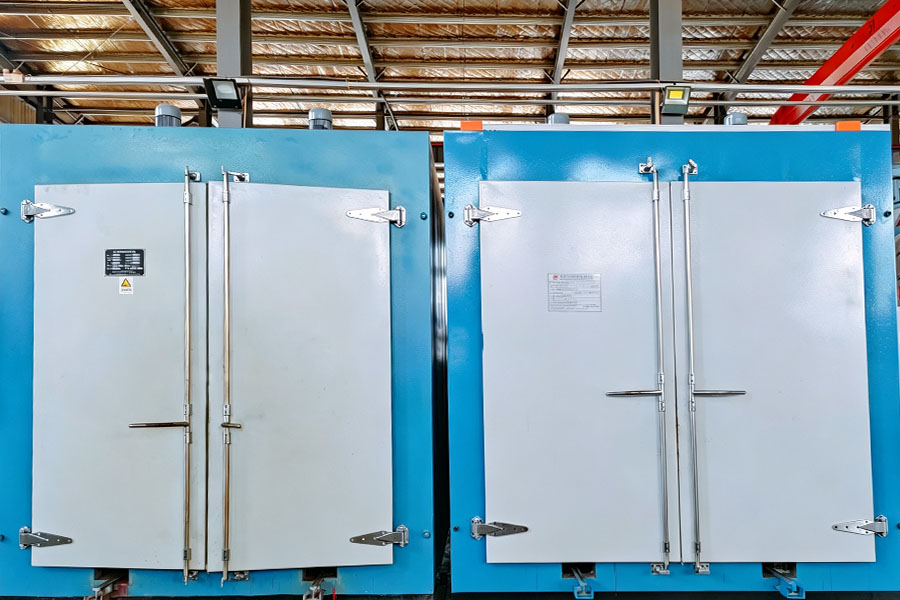
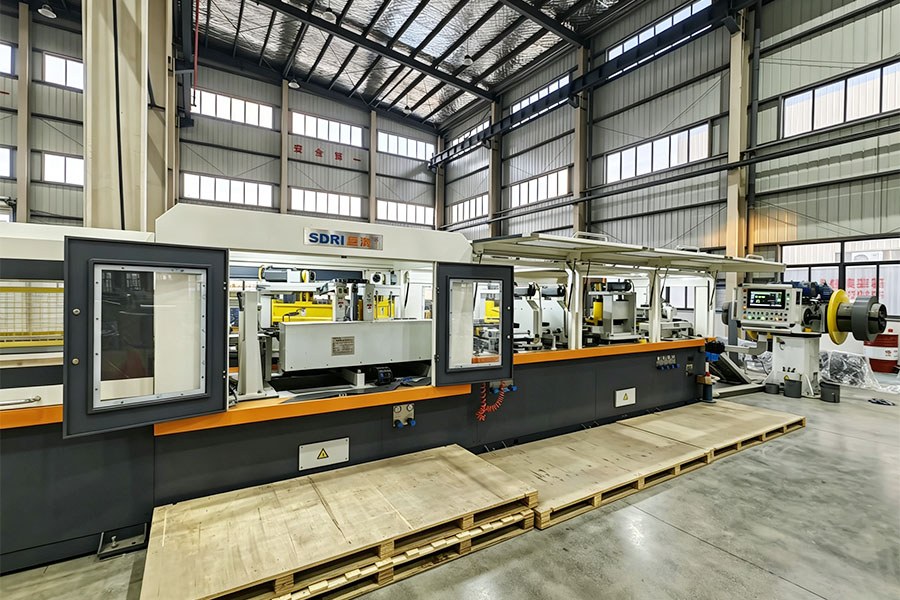
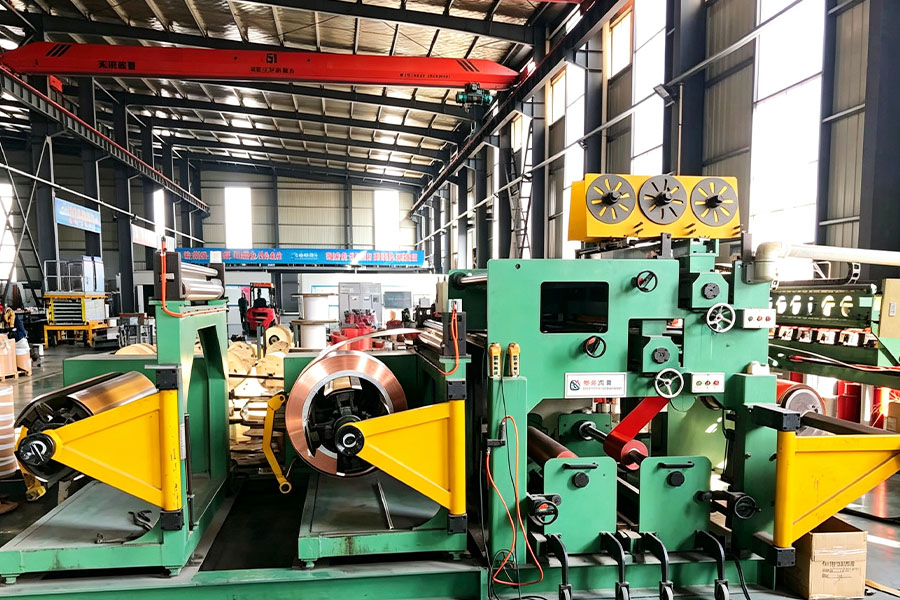
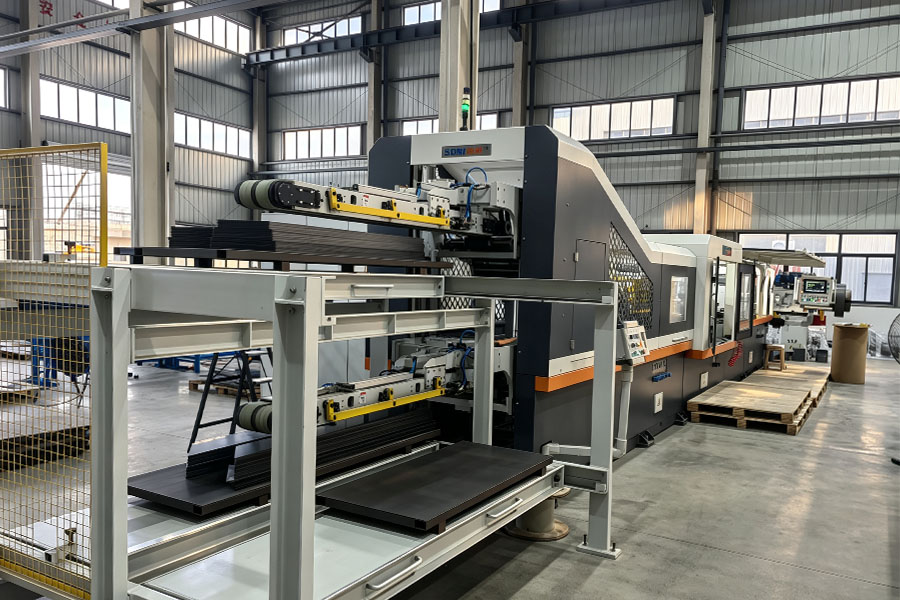
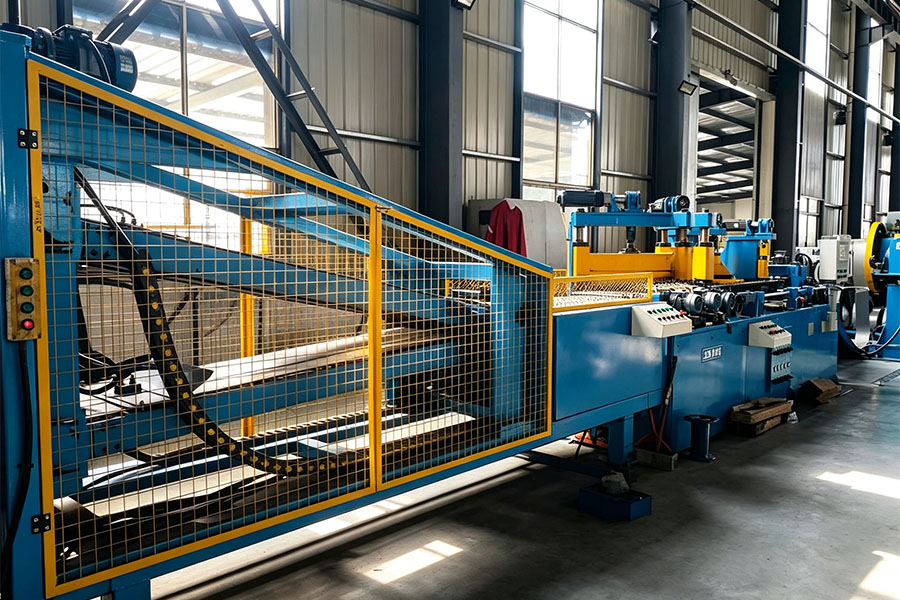
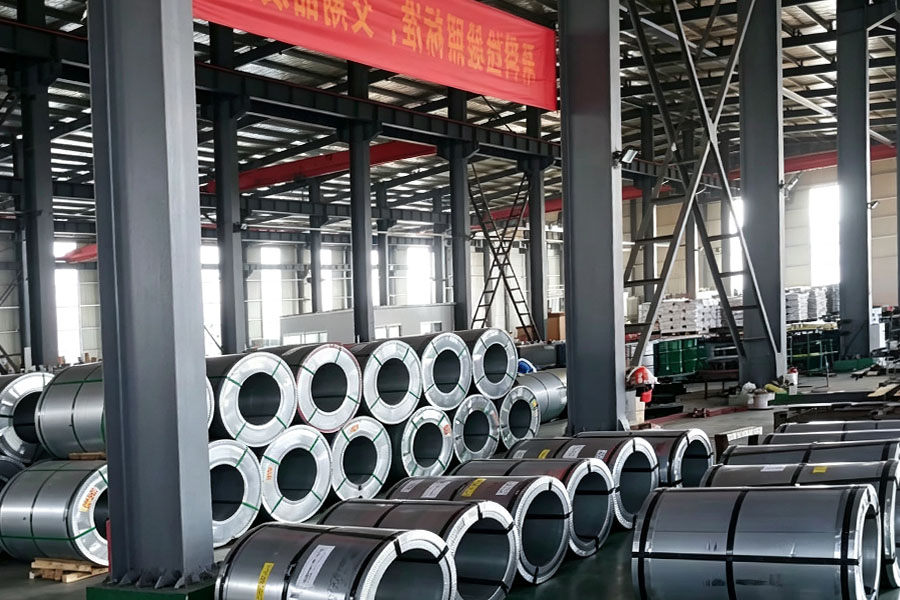
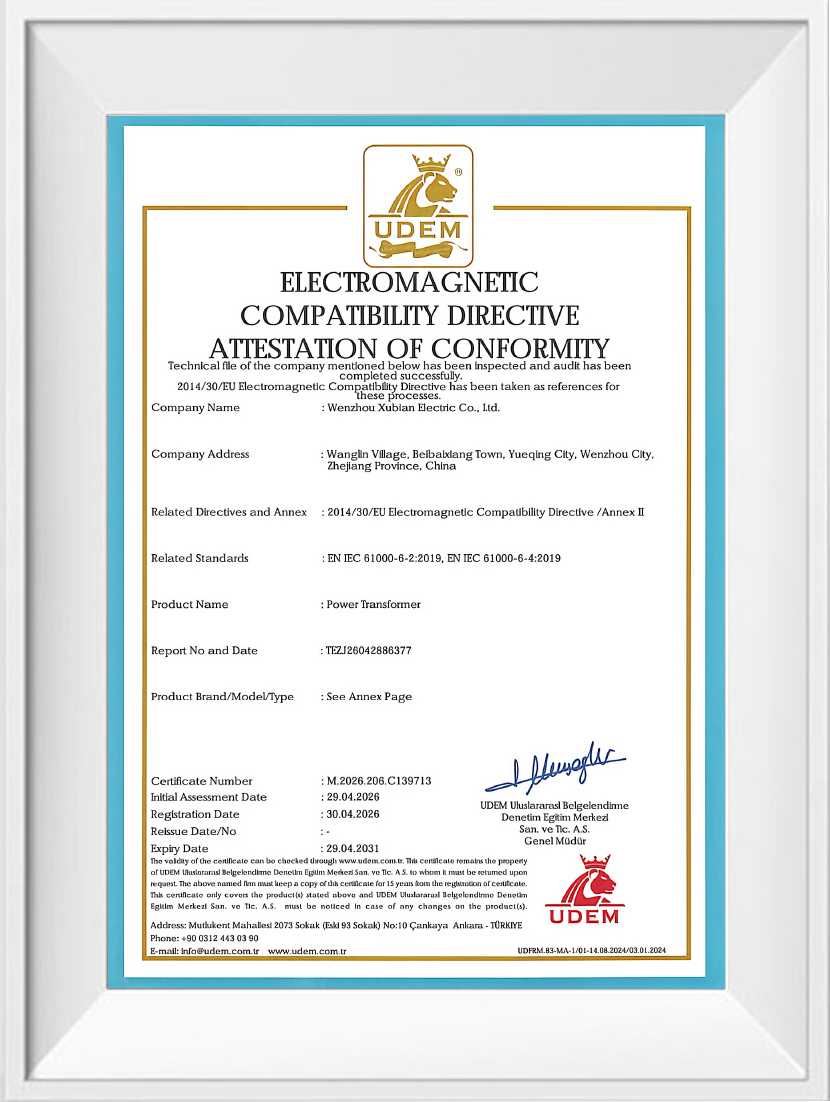
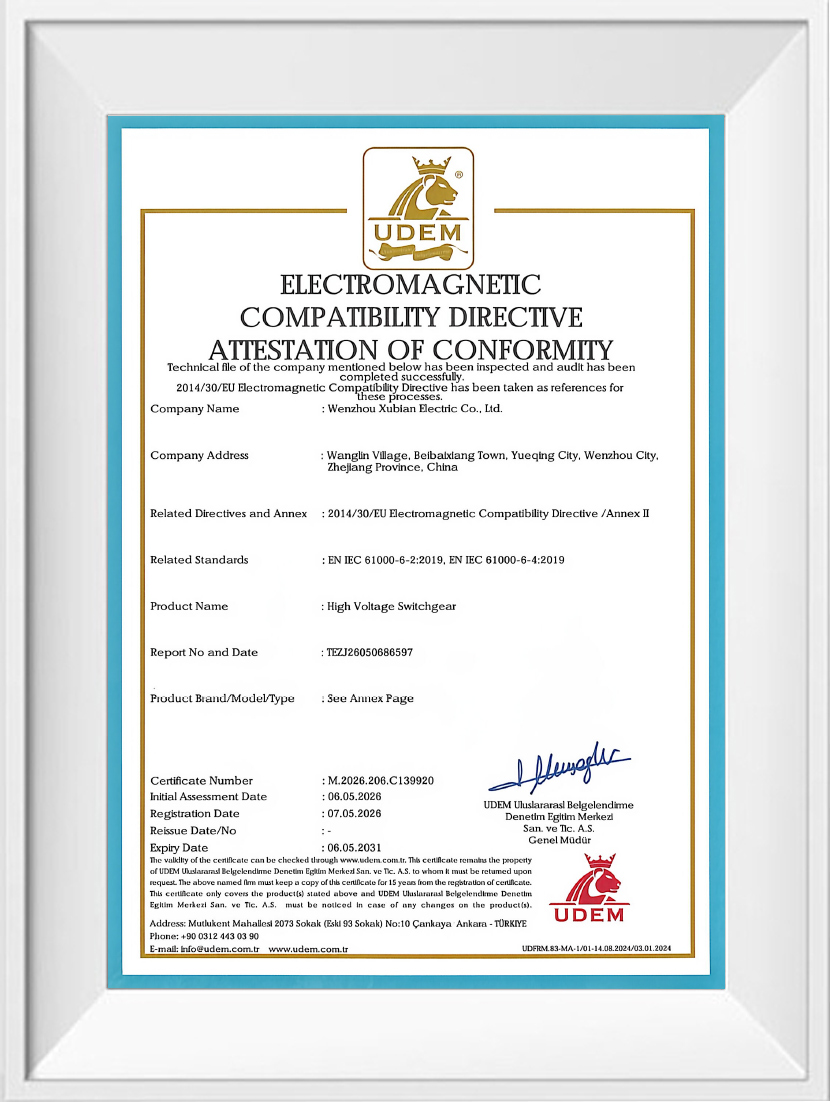
Following our quality policy: “Survival through Quality, Development through Innovation, Continuous Improvement, Customer Satisfaction”, we enforce strict control over all production stages to ensure 100% qualified finished goods.Our workshop is well‑equipped with full‑range processing facilities, testing apparatus and advanced inspection solutions.


 392635183@qq.com
 +86-0577-62657873
 +86-13858819036
 No.300 Kaixing Road, Xindong Village, Liushi Town, Yueqing City, Wenzhou City, Zhejiang Province, P.R.China
Copyright © Wenzhou Xubian Electric Co., Ltd. All Rights Reserved
